

Ireland was number one on my travel bucket-list since before I even graduated high-school. For the better part of my life, I was under the firm impression that my family and ancestors originated from Ireland. In my brain, it made common sense since my name is Erin, which means “peace” in Gaelic, and both my brother and father have red hair. In my defense, I was young, naive, and had little-to-no actual understanding of the world or my own heritage. Naturally though, this didn’t deter me, or my vision, for traveling to Ireland. Thus, for our first wedding-anniversary, my husband and I were off!
Car Rental: Since we had multiple sites of interest while traveling throughout Ireland, we opted to rent a car through Enterprise. This was our first time utilizing Enterprise for a rental, and I definitely would consider looking elsewhere. During our initial rental agreement, we were quoted at $62/day; that was supposed to include unlimited mileage and insurance too. At the time of our drop-off, we were charged close to $400 for our total rental and we had only rented the car for part of our journey. Nevertheless, the Enterprise we selected had easy pick-up/drop-off directly at the airport which made our travels to-and-from places that much easier. I would still recommend renting a car, especially a package that includes unlimited mileage, you may want to consider other alternatives though as far as choice in company. Do your research!
Communication
Not surprisingly, there are two official languages recorded for Ireland: English and Irish. More than likely though, you will find that the vast majority of people primarily speak English. During our ten-day stay, we found that the Irish were very friendly and inviting in communicating with us in English. While I’m not certain, but I can guess that they are probably used to interacting with tourists as well as communicating for business or academia in English that they are so used to it by now. Although, it definitely wouldn’t hurt to learn some basic words and phrases in Irish in case the need for it arises!
Limerick
Things to Do: Our trip to Ireland was one of our first adventures overseas. As a result, we were inexperienced and under-prepared. Not only do the Cliffs of Moher overlook the Atlantic Coast of Ireland, they also offer a breath-taking view of the Aran Islands. The same islands where Star Wars was filmed. If we had conducted the proper research beforehand, this would have part of our tour of the area. And yet, because we didn’t, we have the best excuse to go back someday in the near-future.
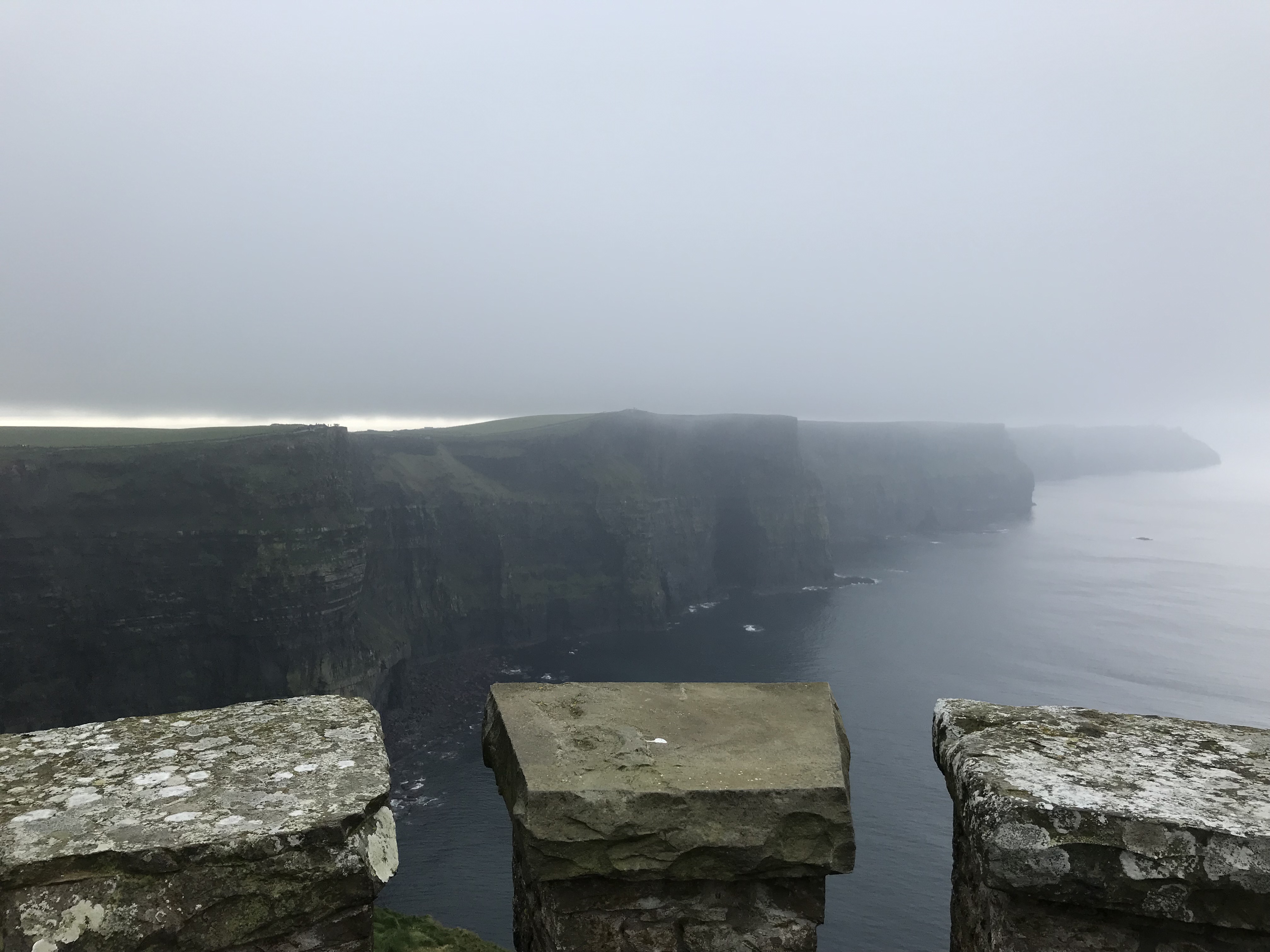
Cliffs of Moher – Rated the number one tourist location in all of Ireland. I think it’s safe to assume that pictures don’t quite do it justice. Located over an hour’s drive from Limerick, the Cliffs of Moher are one of Ireland’s natural wonders. The Cliffs have been around for over 350 millions of years and are caused by erosion from the Atlantic. While the Visitor’s Centre and Exhibition is open-year round, keep in mind that weather places an integral role in your ability to clearly view the cliffs. Make sure to check the weather the morning of your visit before leaving your hotel. We arrived early morning and the Cliffs were very difficult to view due to fog, mist, and rain. Luckily, there is a cafe on site that overlooks the Cliffs which allowed us to wait out the weather. Ticket prices include entrance to the Cliffs and surrounding trails as well as the exhibition centre which provides a detailed history of the site. Due to its popularity, the Cliffs receive a lot of tourists each and every day. Feel free to buy your tickets in advance online – saves you half the cost too!
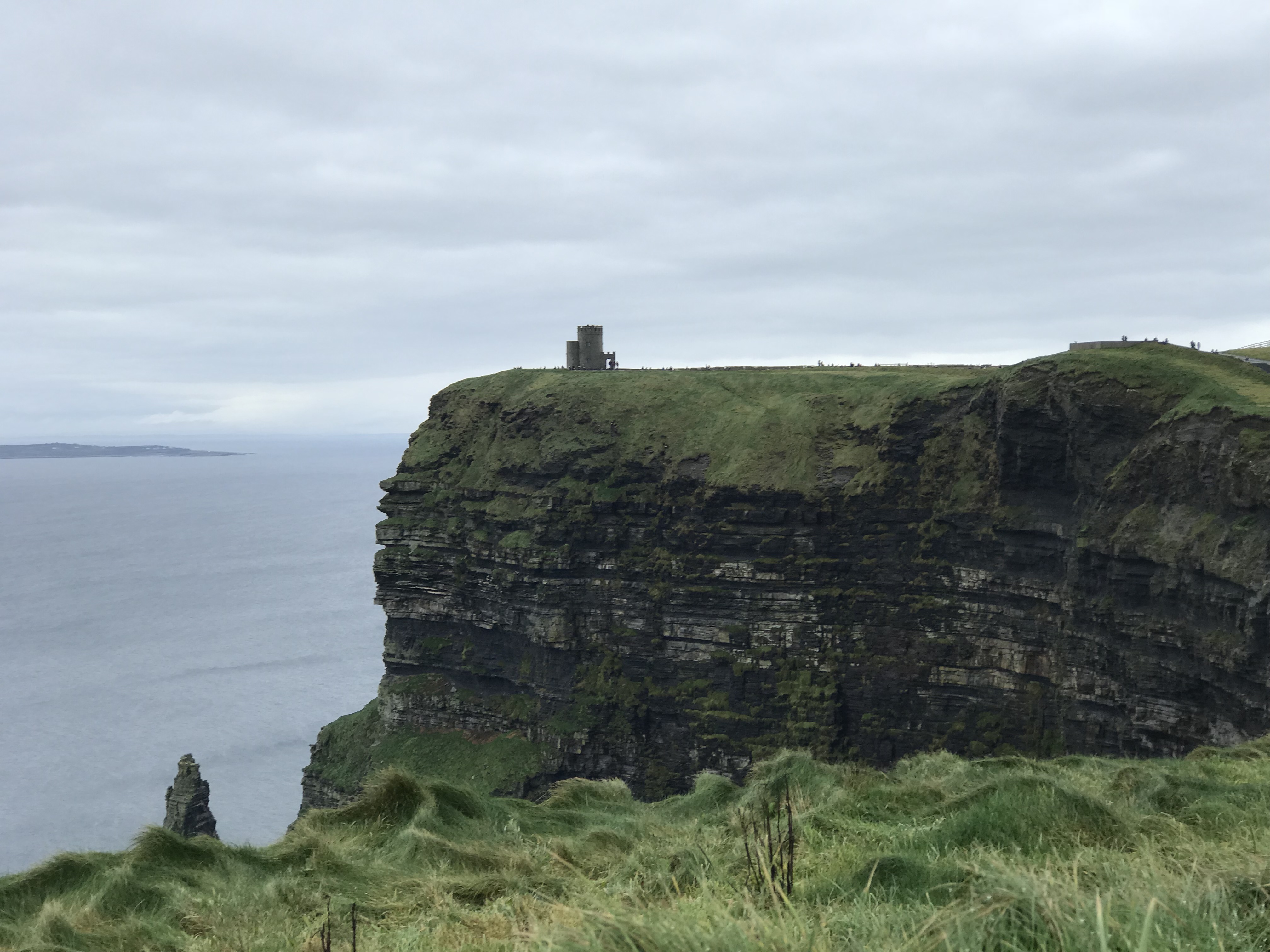
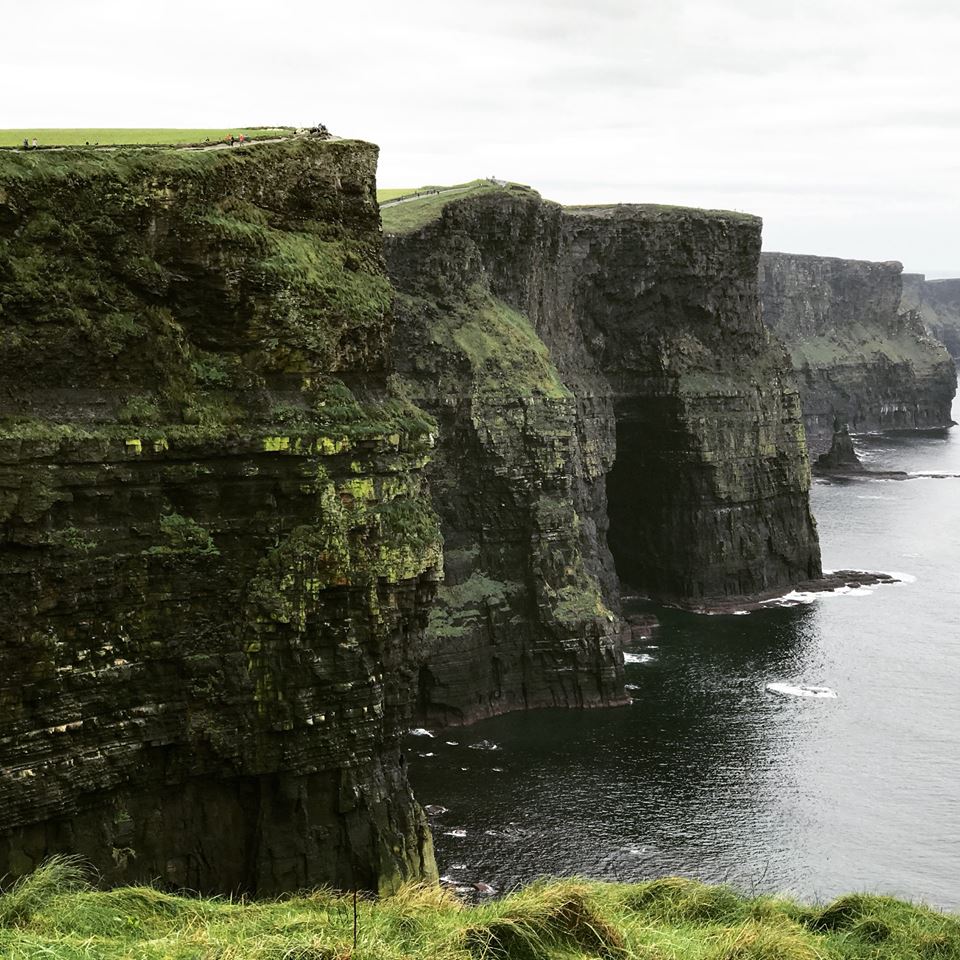

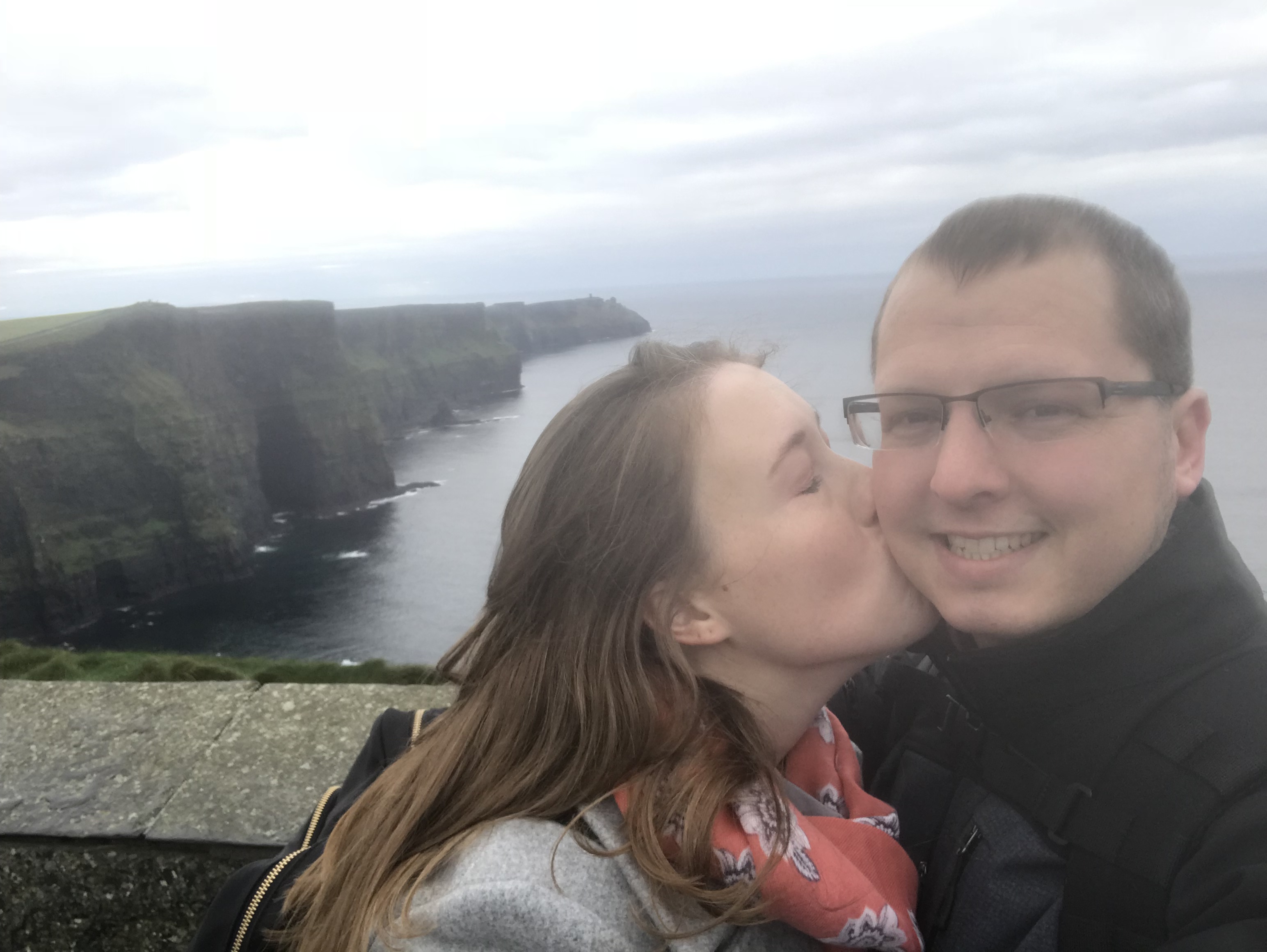
If you arrive to bad weather, much like we did, this may deter your plans for your visit. I wouldn’t recommend leaving – simply wait it out in either of the two aforementioned places on site. As you can see by our pictures, the fog and rain cleared pretty quickly. There are paved paths along the entire coastline, headed in either direction, which provides visitors a complete view of the surrounding area. Be careful though! The paths are very close to the edge without any safety nets to catch you if you fall. If it’s been raining, I would highly recommend that you don’t attempt these trails. The paths are paved with gravel and dirt and can easily become caked with mud if the weather doesn’t permit. If you’re traveling from far away, be sure to plan at least two hours for your visit – some tourists even spend up to half a day here! $
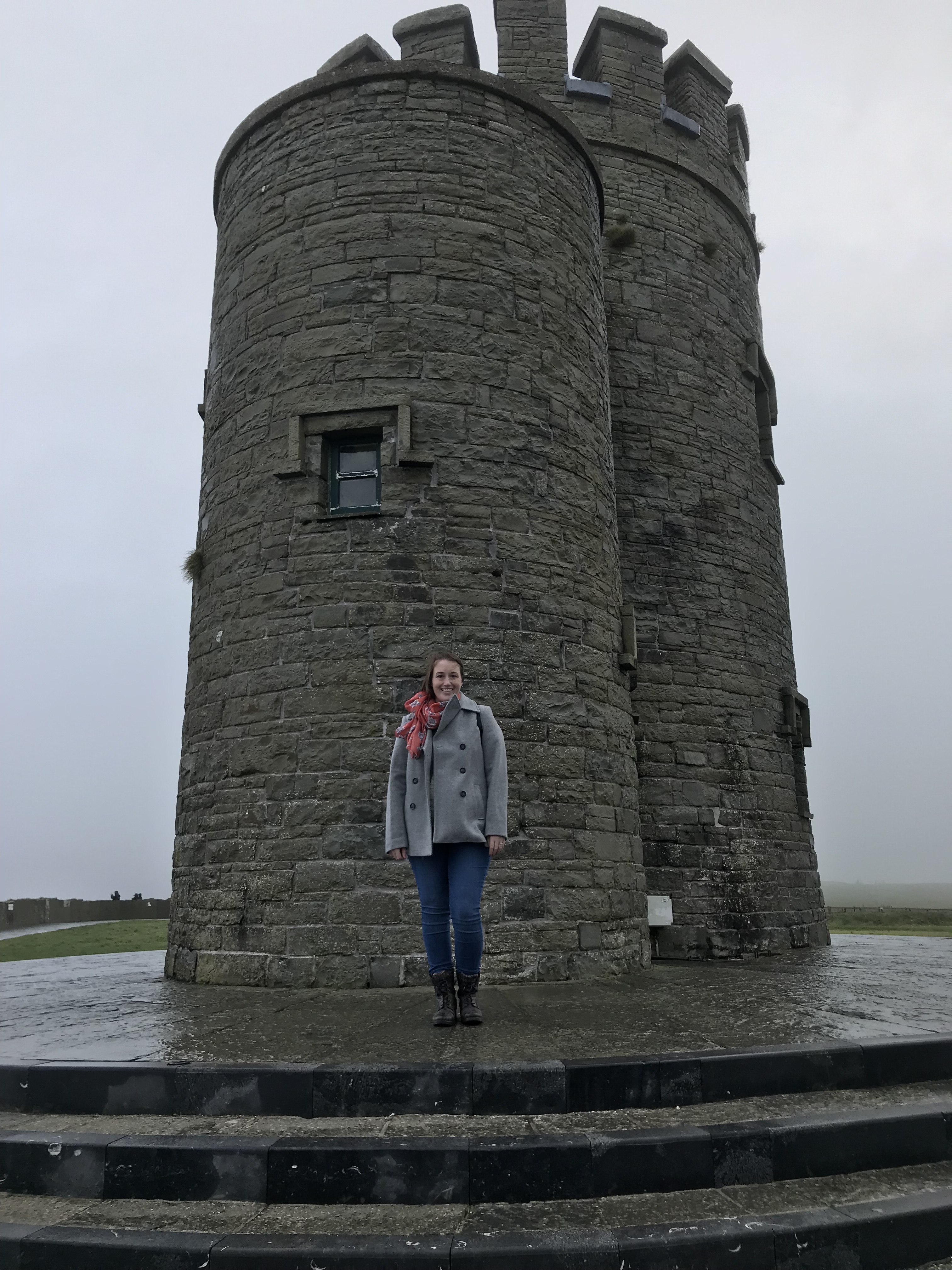
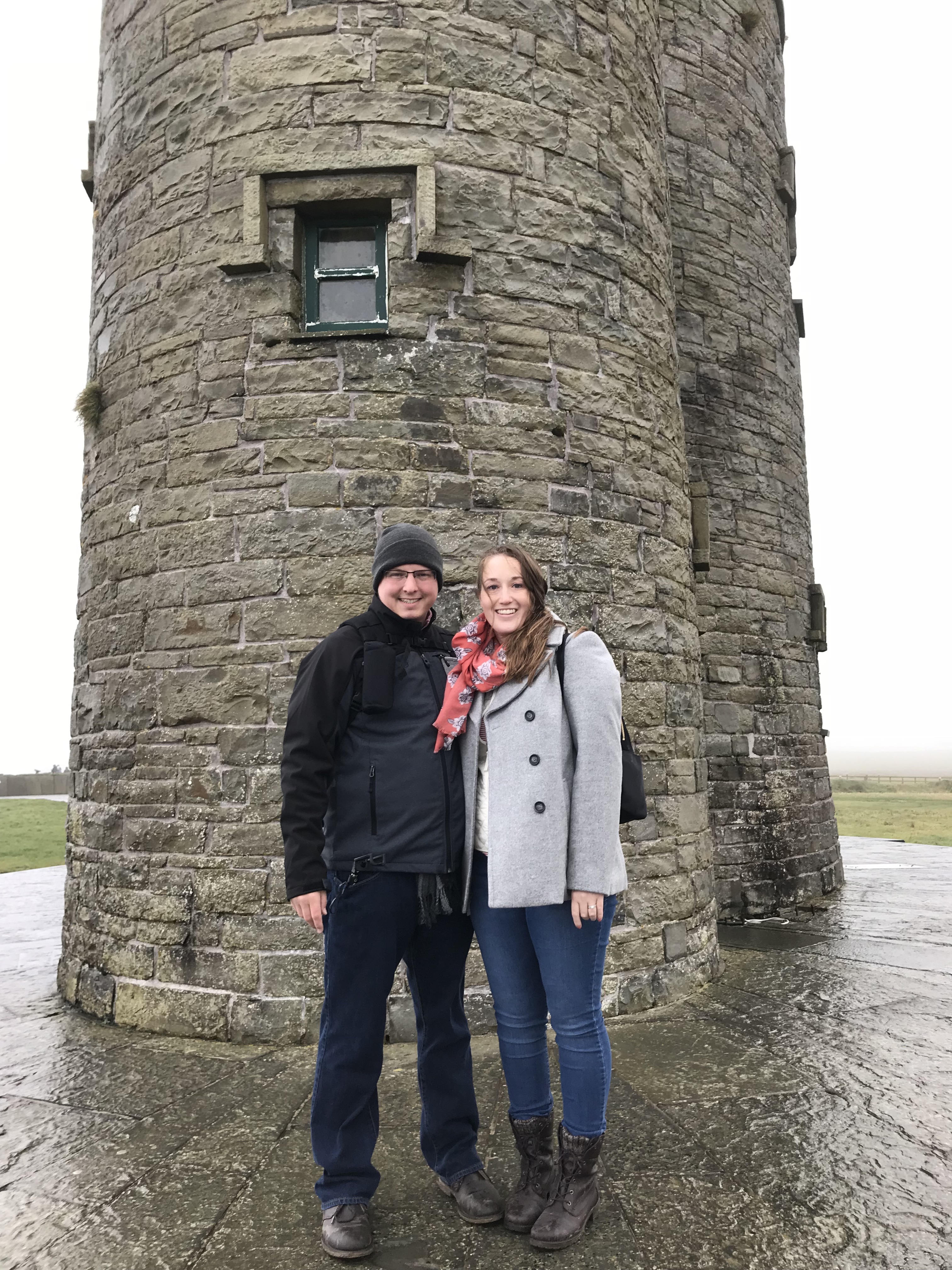
O’Brien’s Tower – The tower is located on the highest point of the Cliffs and was first constructed in 1835. It now stands as an observation tower offering a 360, panoramic view of the Cliffs and the Coast of Connemara. Note: tickets to visit the Cliffs do not include entrance to the top of the Tower too; there is a separate, small, fee. $
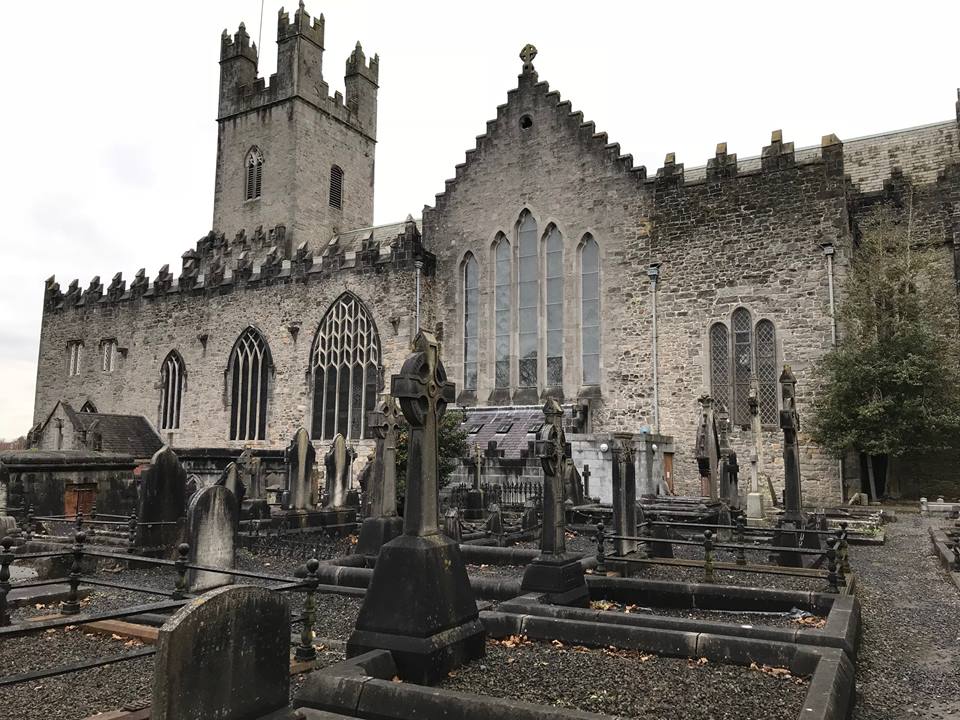
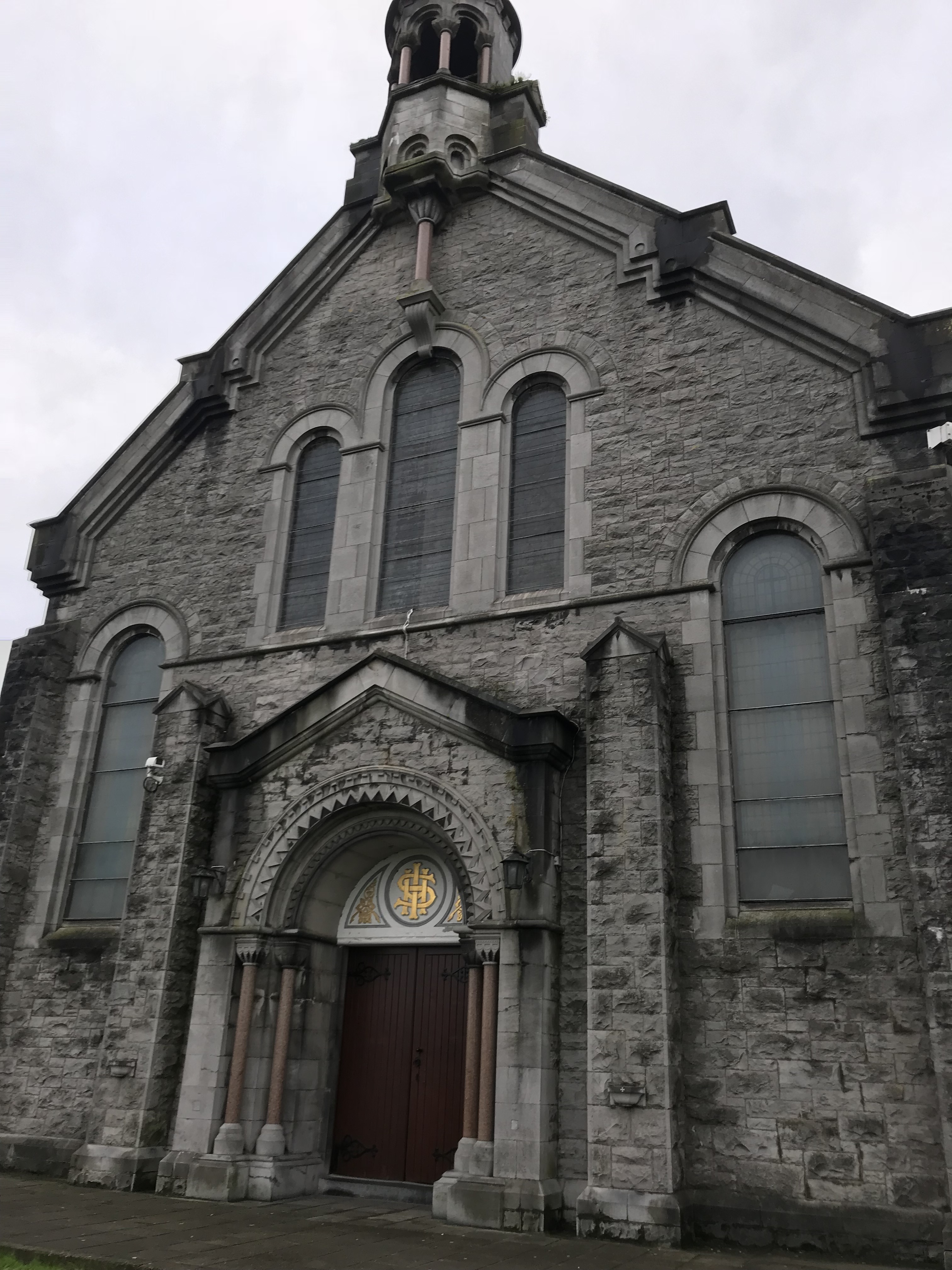
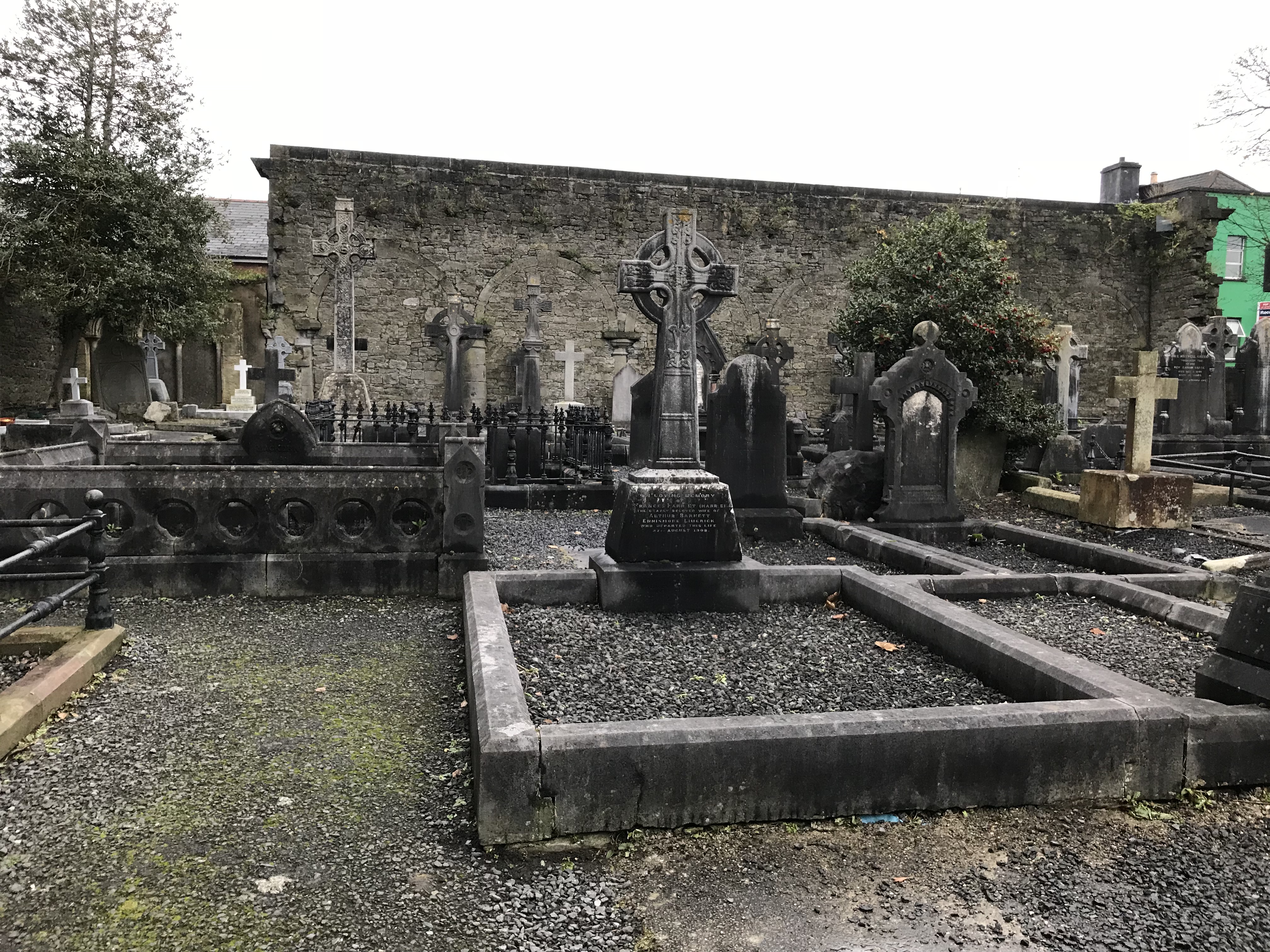
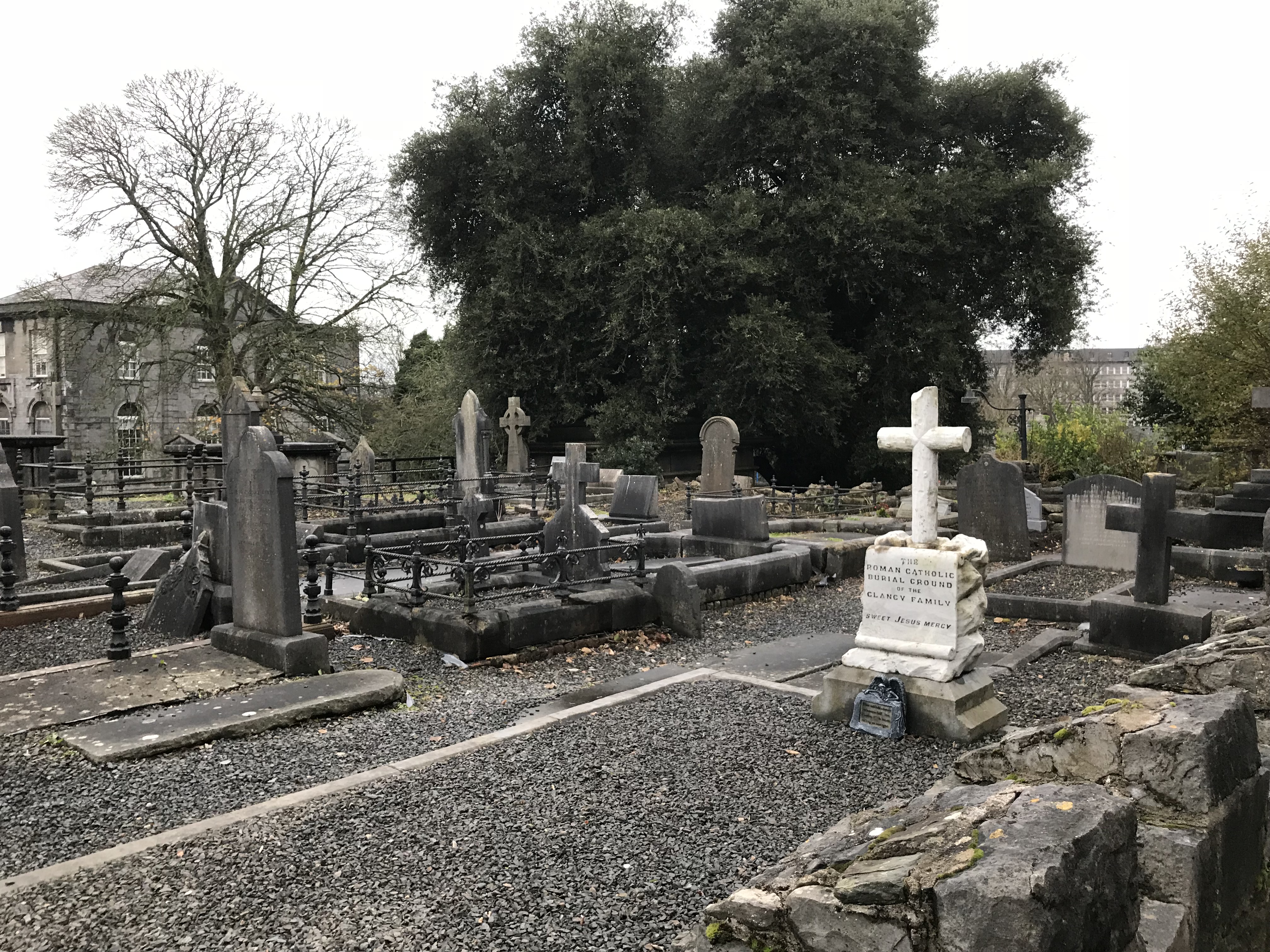
St. Munchin’s Church – By now, I’m sure you’ve noticed that a lot of our adventures happen by mere happenstance, or luck depending on your point of view. Cue: St. Munchin’s Church. We had just arrived back in downtown Limerick, after gallivanting around the Cliffs of Moher all morning, in search for something else to do when we stumbled across this church. While the inside was off-limits to visitors, the grounds and attached cemetery was still open. Originally built in 561 AD, St. Munchin’s Church is located in Limerick City Centre is the first church built in Limerick. During our wanders around the courtyard, we struck up a conversation with a local who was very knowledgeable about the history of the church as a long-standing parishioner. While his name escapes me now, he offered us a pleasant tour of the grounds just for giving him the time of the day.

Accommodations:
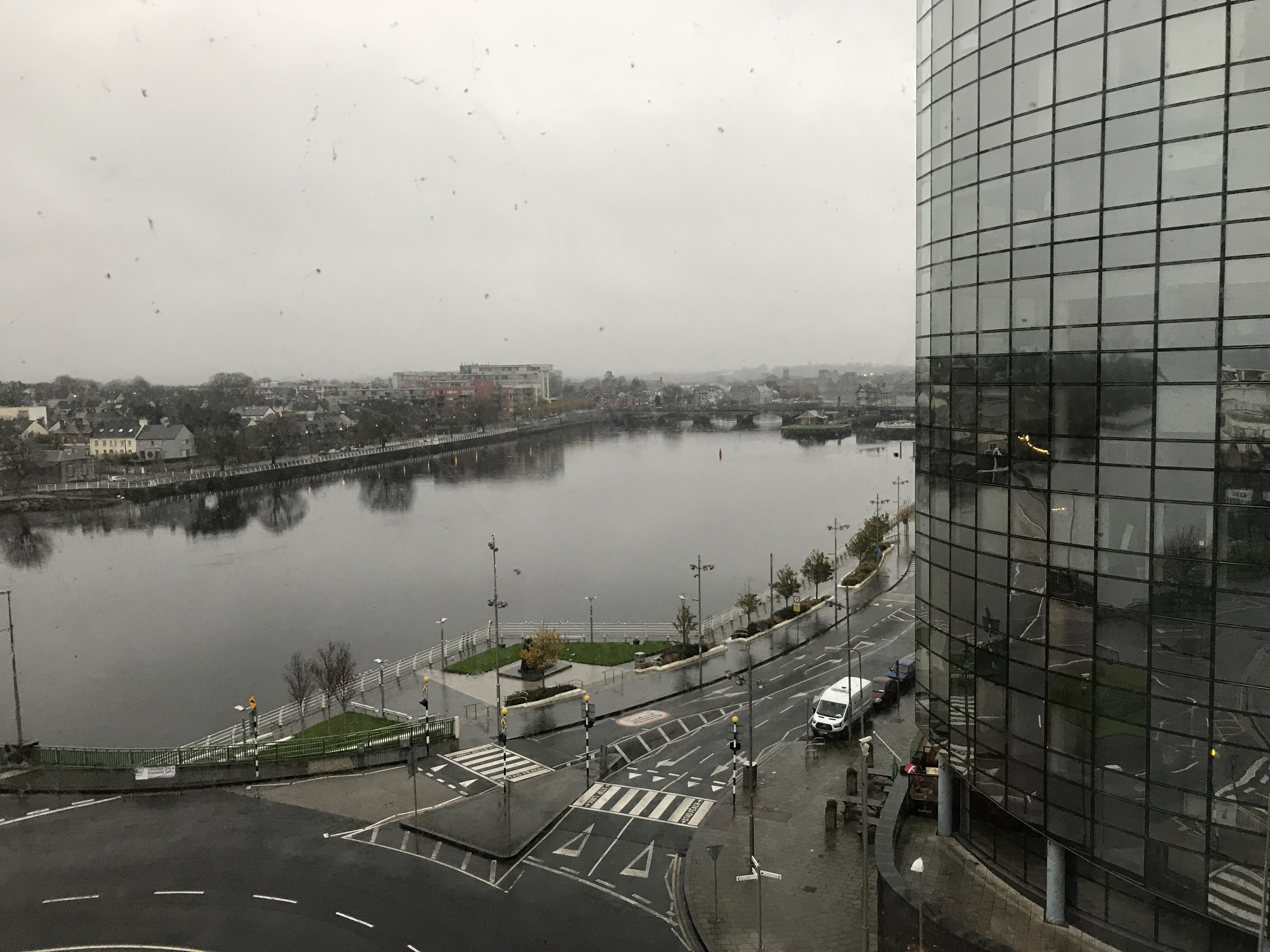
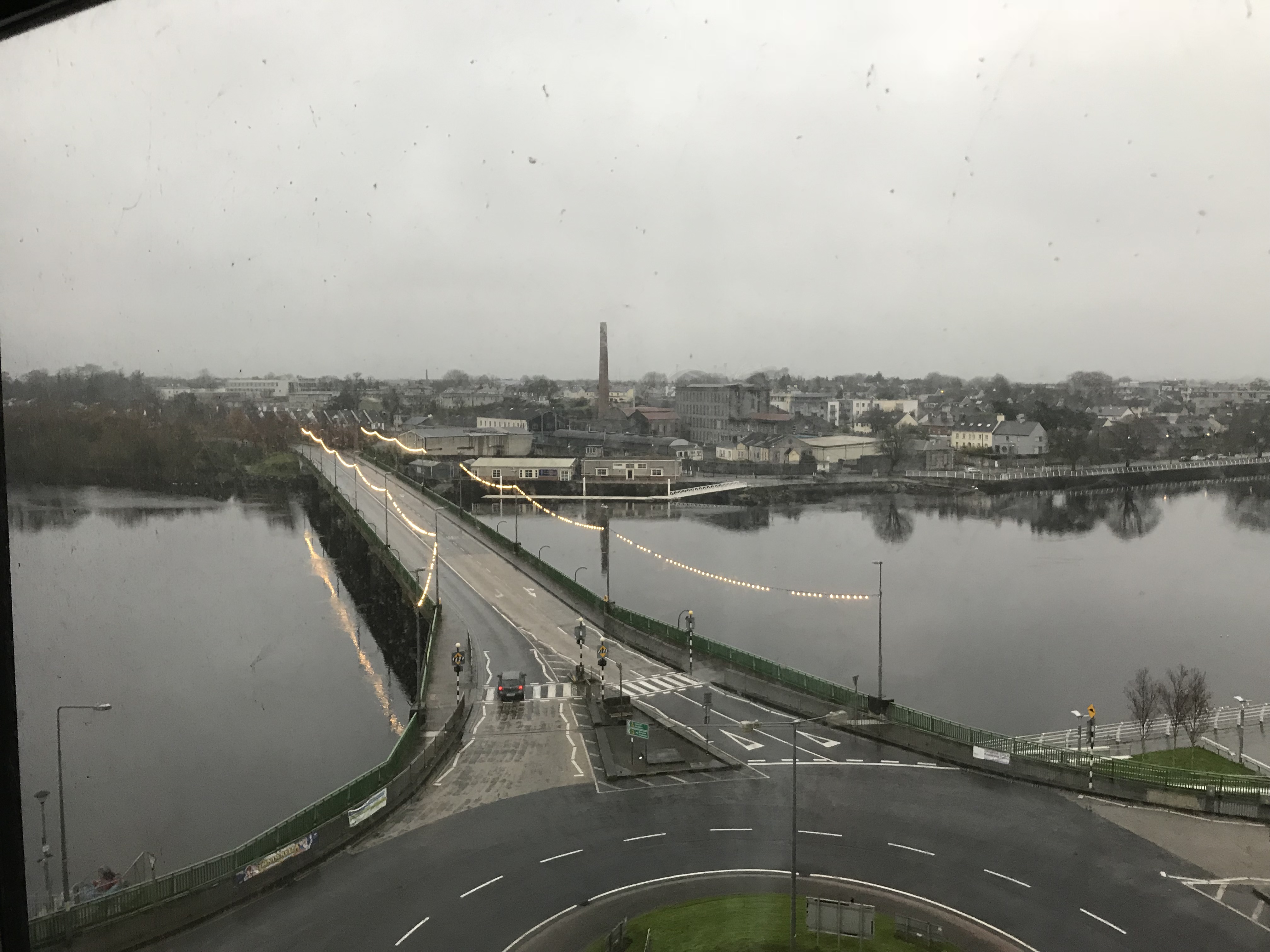
Limerick City Hotel – Cheap. Clean. Convenient. The top three C’s crucial for any hotel, no matter where you travel in the world. We weren’t staying in Limerick for more than a night, so we wanted a hotel that wouldn’t break the bank. This was the perfect location as it offered a view of the River Shannon and was centrally located in downtown too. Our room was quite large for only 67 USD a night. Breakfast was not included, but there was an additional buffet available for purchase through the restaurant on-site. With the hotel in the heart of downtown though, we were able to satisfy our food needs easily without having to rely on hotel food.
Places to Eat:
The Locke Bar – By the end of the day, our adventures around Limerick had come to a close and it was time to find somewhere to eat. I find that I have the most difficult time trying to pick someplace to eat – especially if I’m not familiar with the menu or staff. Unfortunately, there’s not much you can do in a foreign country except cross your fingers and hope for the best. The Locke Bar, located directly across the street from St. Munchin’s Church, is a local favorite recommended to us by our very handy tour guide. An excellent place to grab a pint after a cold, long day, with a full-service bar and traditional Irish grub. After 9 PM, the bar turns into a live music scene with authentic Irish dancing. $$
Cork
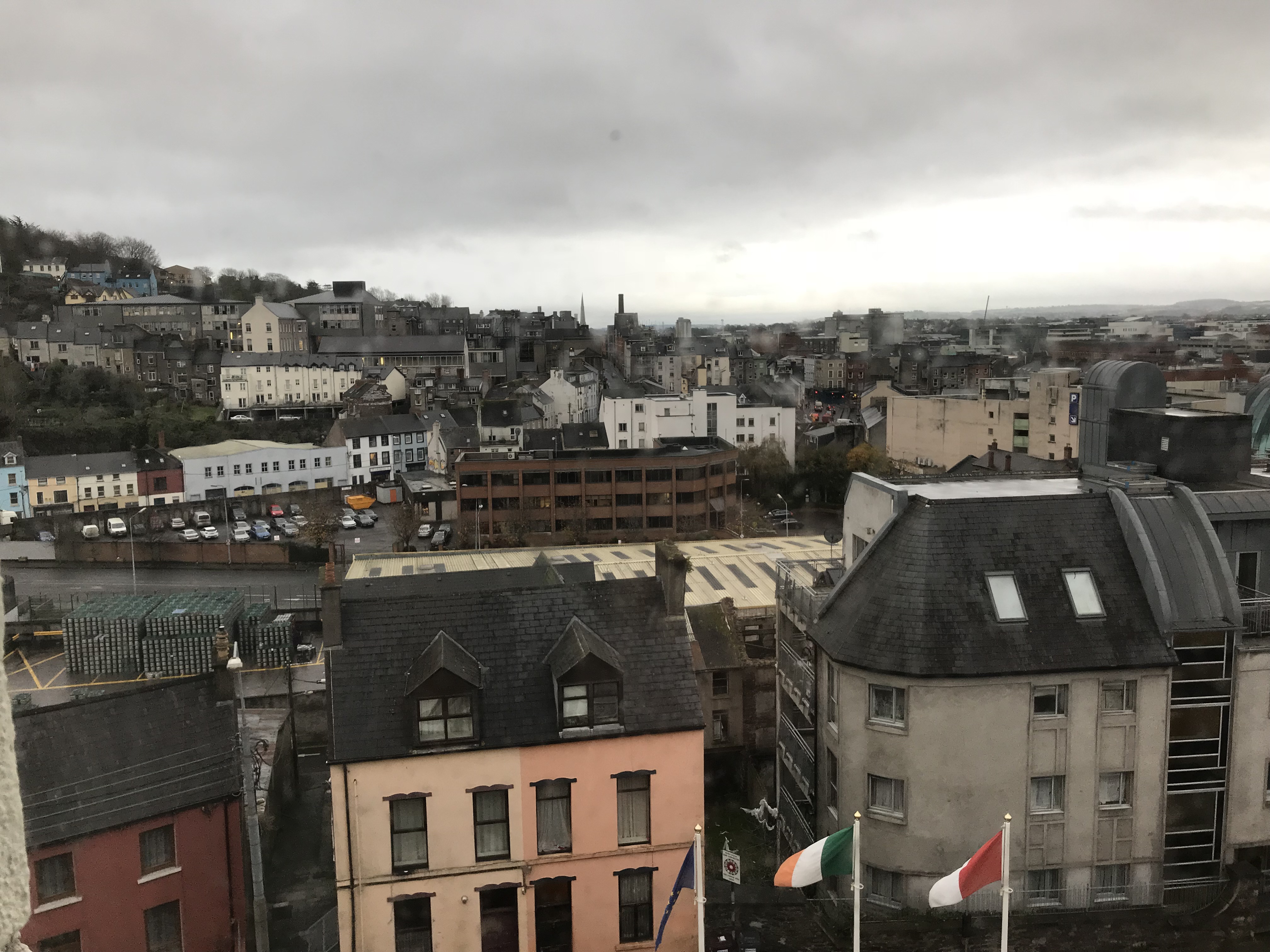
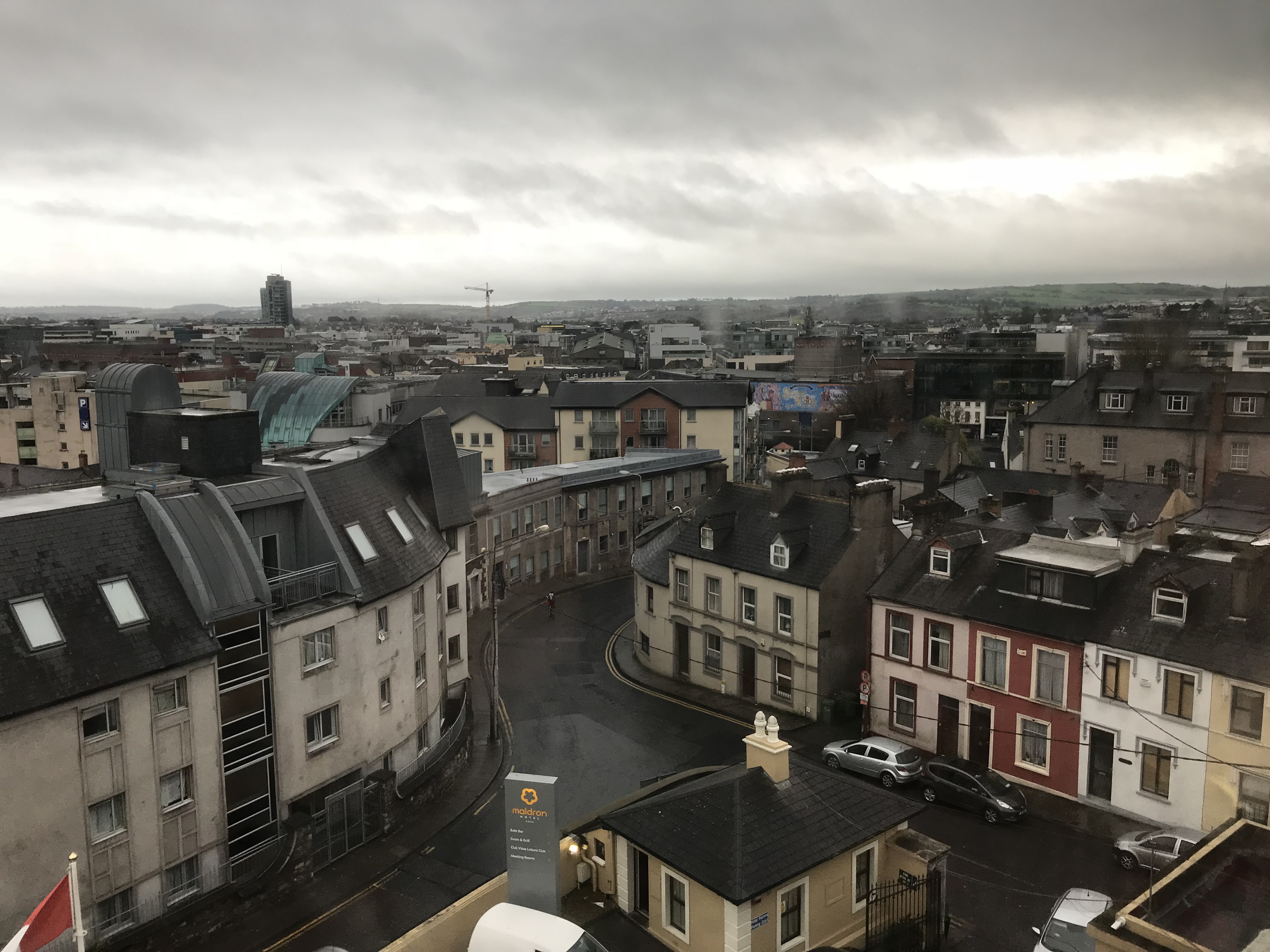
Things to Do: Our interest in Cork had everything to do with Blarney Castle, just 15-minutes outside of downtown. Although, by the end of our stay, I must admit that we were pleasantly surprised by the charming city-life and Victorian-style architecture.
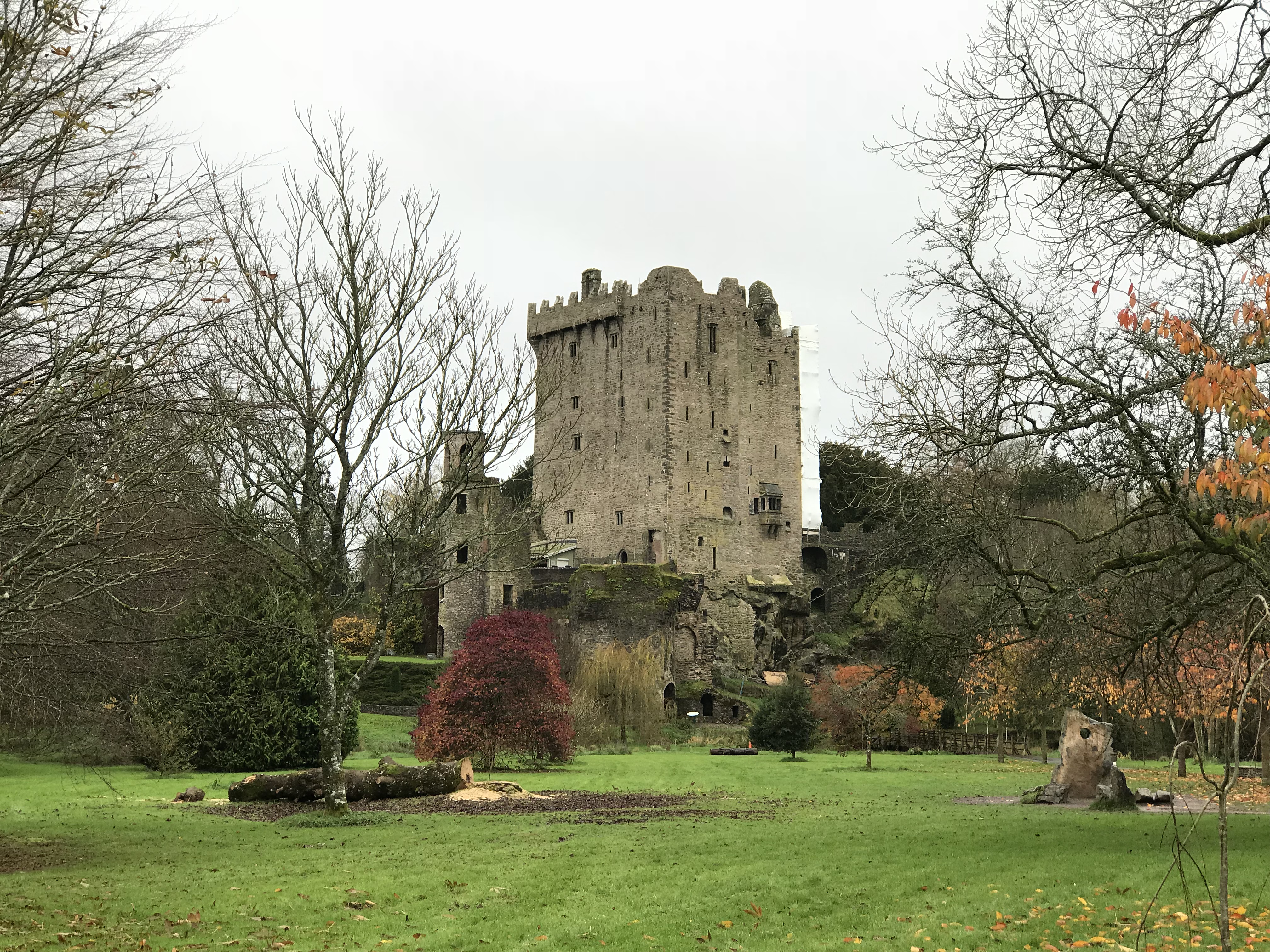
Blarney Castle – Kissing the blarney stone is said to bring its bestower the gift of eloquence. For over 200-years, travelers from all over the world have visited Blarney Castle for the opportunity to kiss the beloved stone. The Castle, and subsequent gardens, sits on over 60-acres of land; the ever-reaching eye can see for miles while over-looking the Castle walls. In addition to wandering through Blarney Castle, the grounds are covered in flower gardens, walking trails, full-fledged waterfalls, and bridges galore. Informative signs are conveniently placed around the grounds with traditional Irish myths and legends associated with the area.
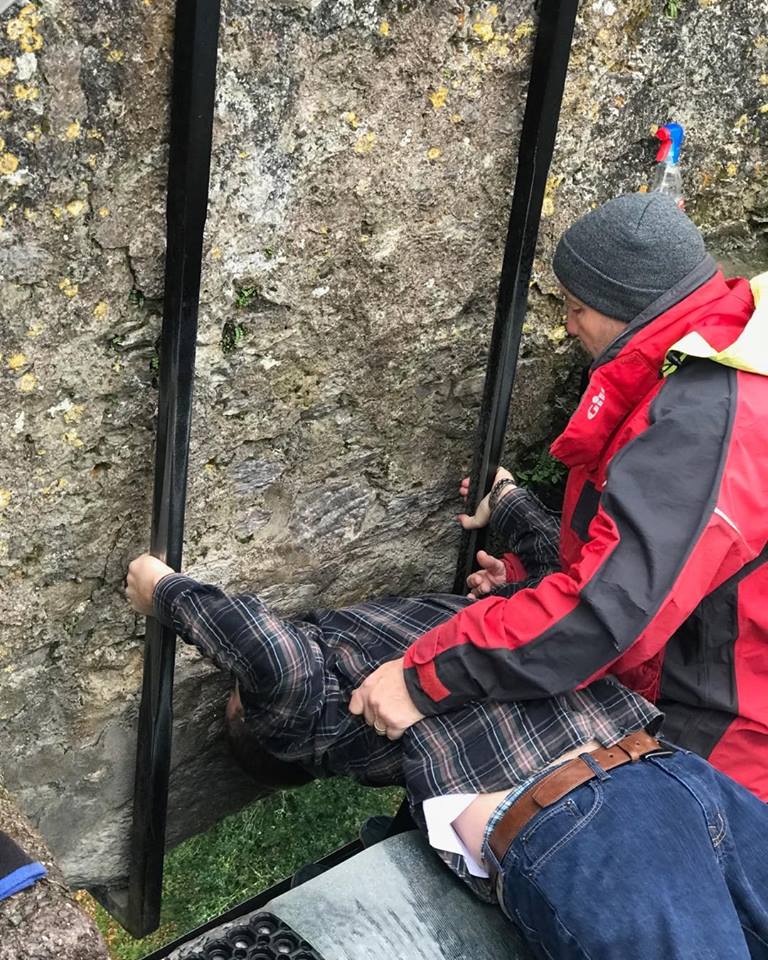
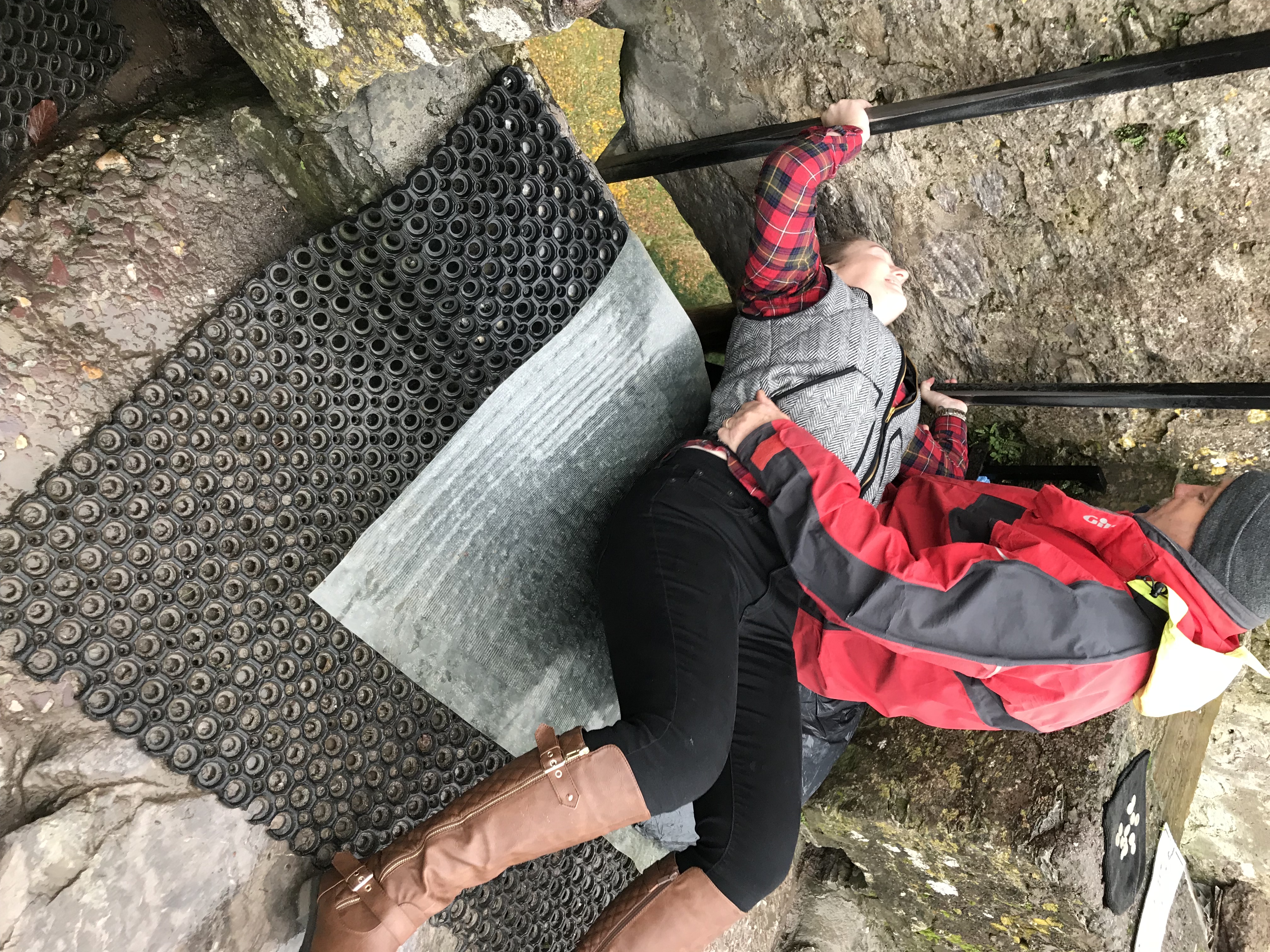
In the years prior, visitors were simply hoisted from the top-side of the castle, suspended in mid-air in order to kiss the underside of the stone. Now, you will find two workers, along with metal bars attached to the Castle walls, to keep you from falling through. Kissing the Blarney Stone is a widely known, Irish tradition. With that being said, be sure to arrive early to avoid long lines and to limit the amount of germs from others kissing the same spot as yourself. Also, be sure to have your partner take plenty of consecutive pictures to ensure you capture this magical moment. Note: make sure your partner is prepared to avoid having to pay for a picture at the end. Take it from me – don’t make my mistake of trusting your husband!
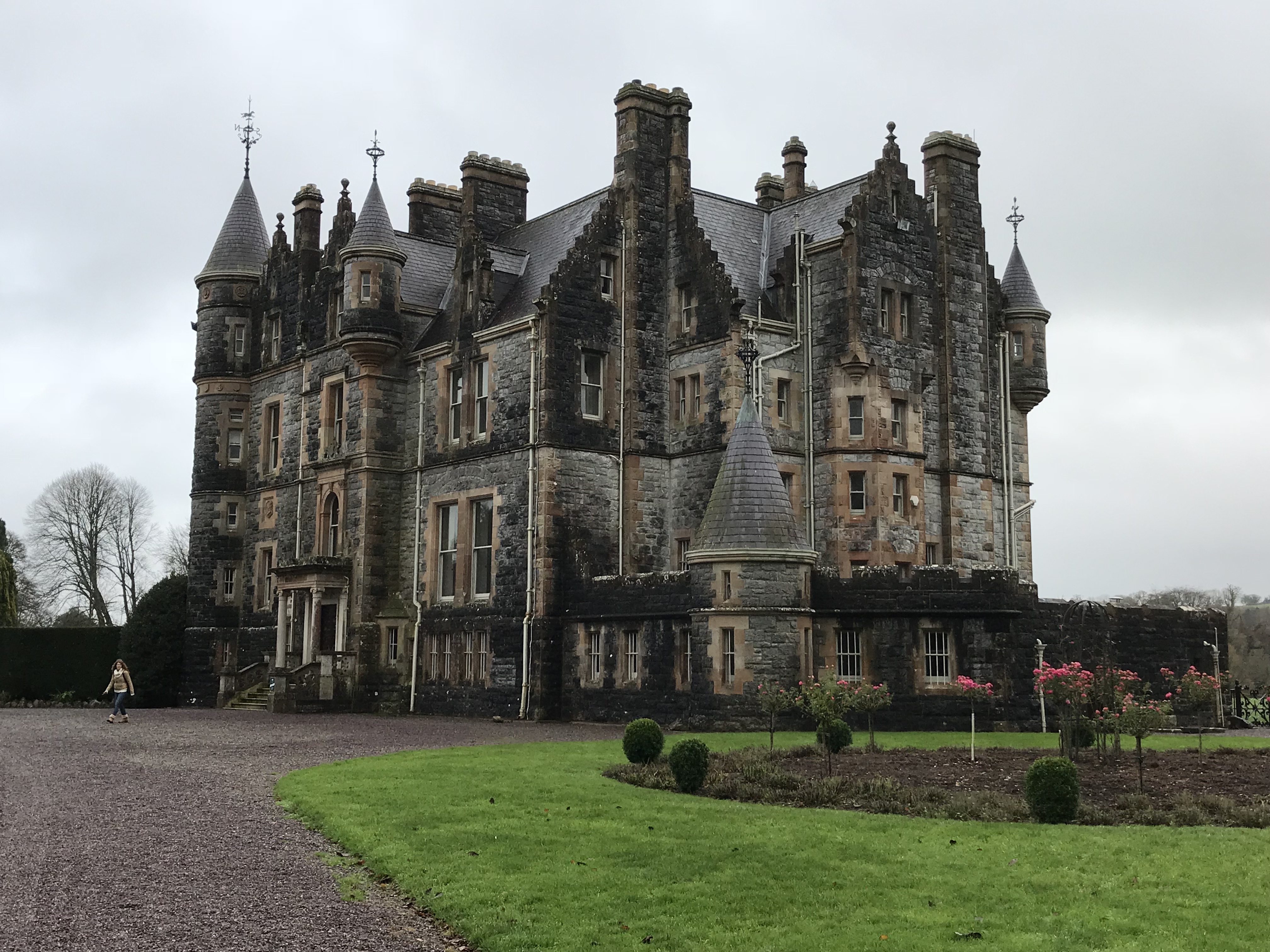
Blarney House, located on Blarney Castle grounds, is only open to tourists during the Summer months and cost of entry is not included with your ticket to the Castle. Another benefit of visiting during the Summer months is the opportunity to see the flowers in bloom at their peak. My husband and I travel during the off-season to reduce our spending and stay budget-friendly. Even in the off-season though, plenty of flowers and plants were still in bloom. To each their own!
Entry into the grounds runs 16 Euros per person (almost 18 USD) – if you buy online ahead of time – or 18 Euros per person (about 20 USD) at the gate. If you want the full experience, make sure to plan 3-4 hours or even up to half-a-day. There is a small cafe on-site or feel free to pack a picnic lunch. $$
Cork City Gaol (Jail) – Once again, the benefits of wandering paid off during our stay in Cork, Ireland. After spending a few hours at Blarney Castle, we decided to drive around downtown Cork until something of interest popped out. Tucked away in the corner of the city, you will find the Cork City Gaol (pronounced “jail”). Initially, on our drive-by, we thought it was a castle. To our pleasant surprise though, it turned out to be a 19th century jail with the ability to fully-function too! At 10 Euros per person (11 USD), each ticket includes a self-guided, self-paced, audio tour of the grounds.
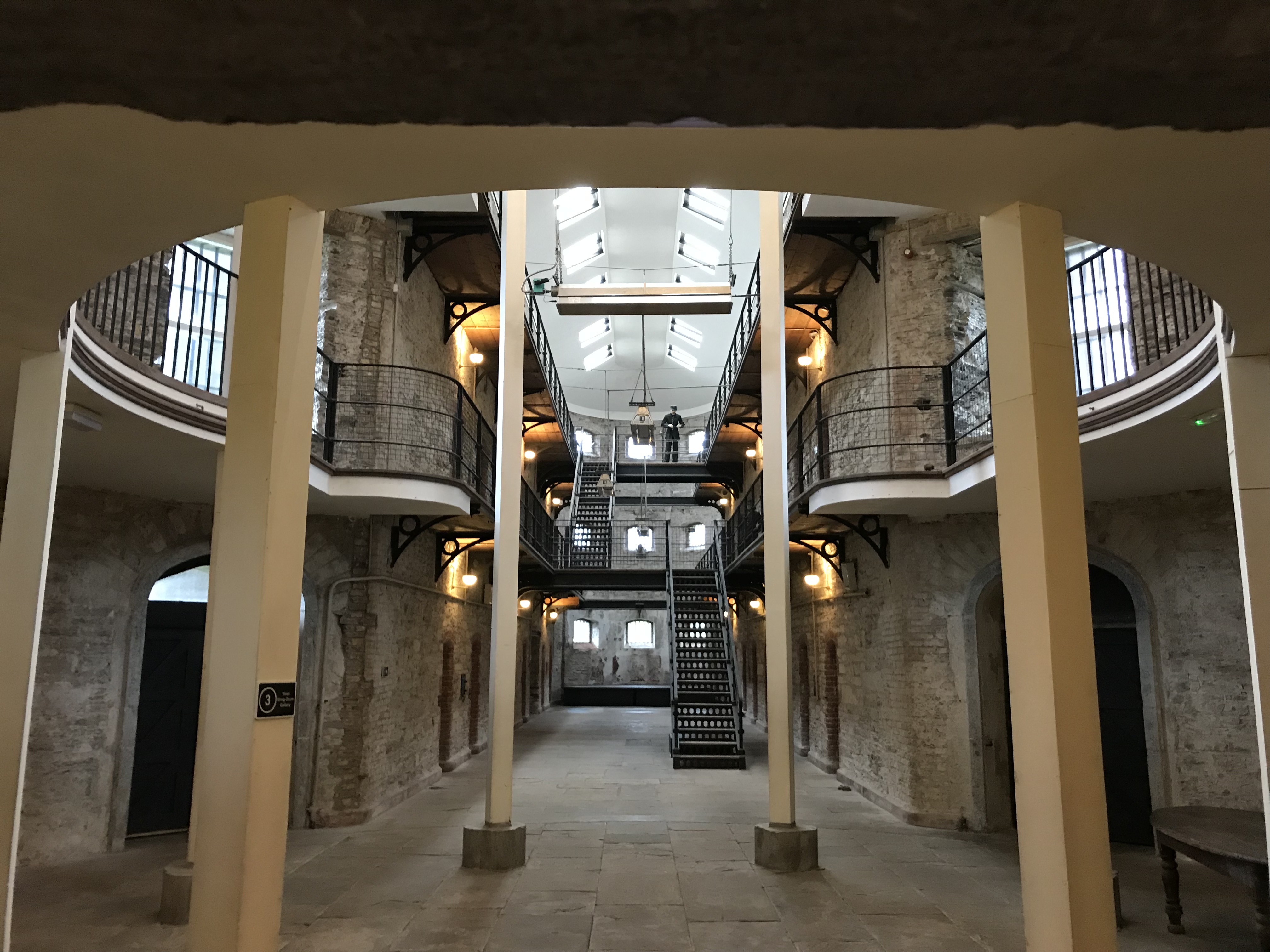
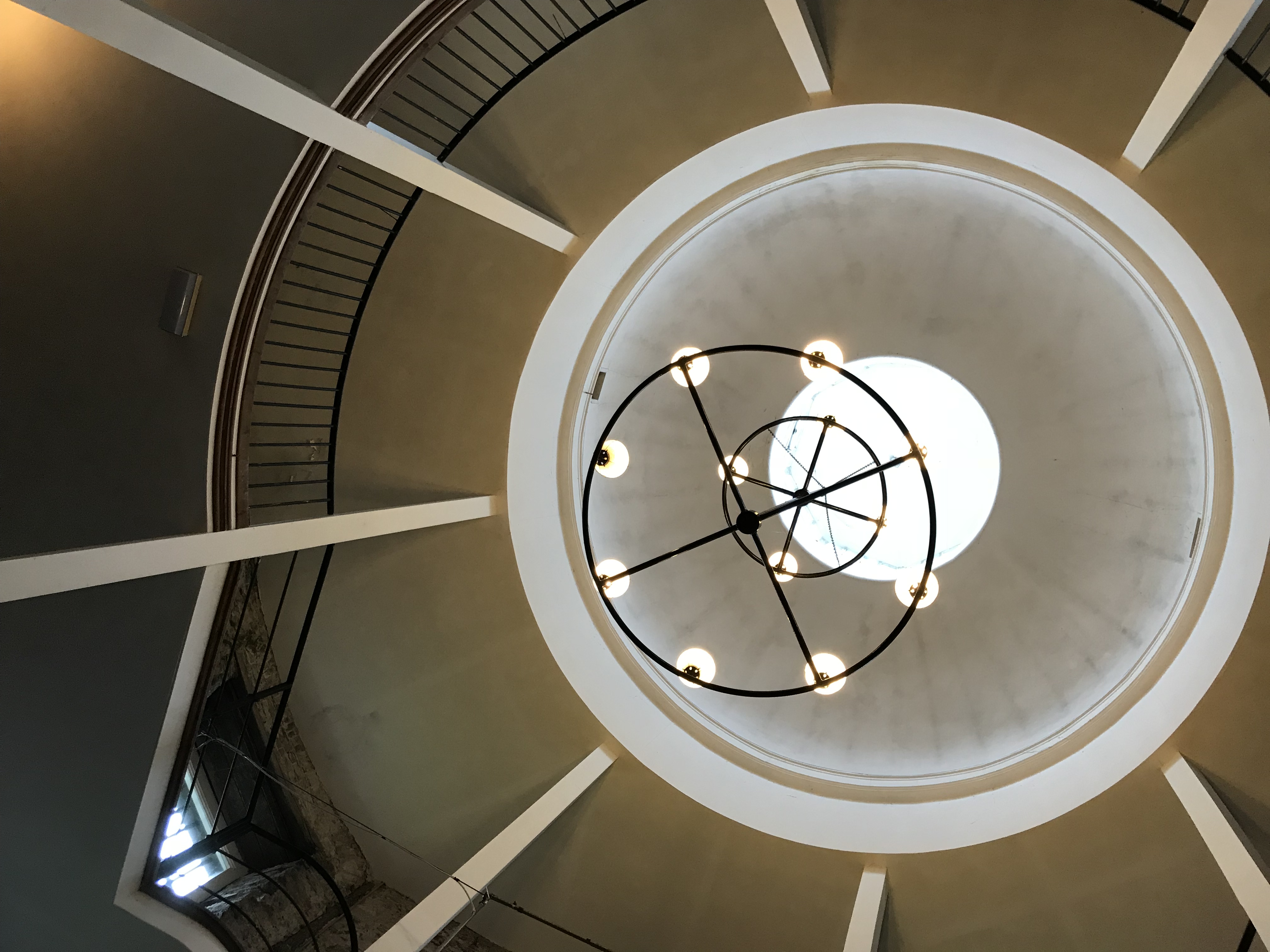
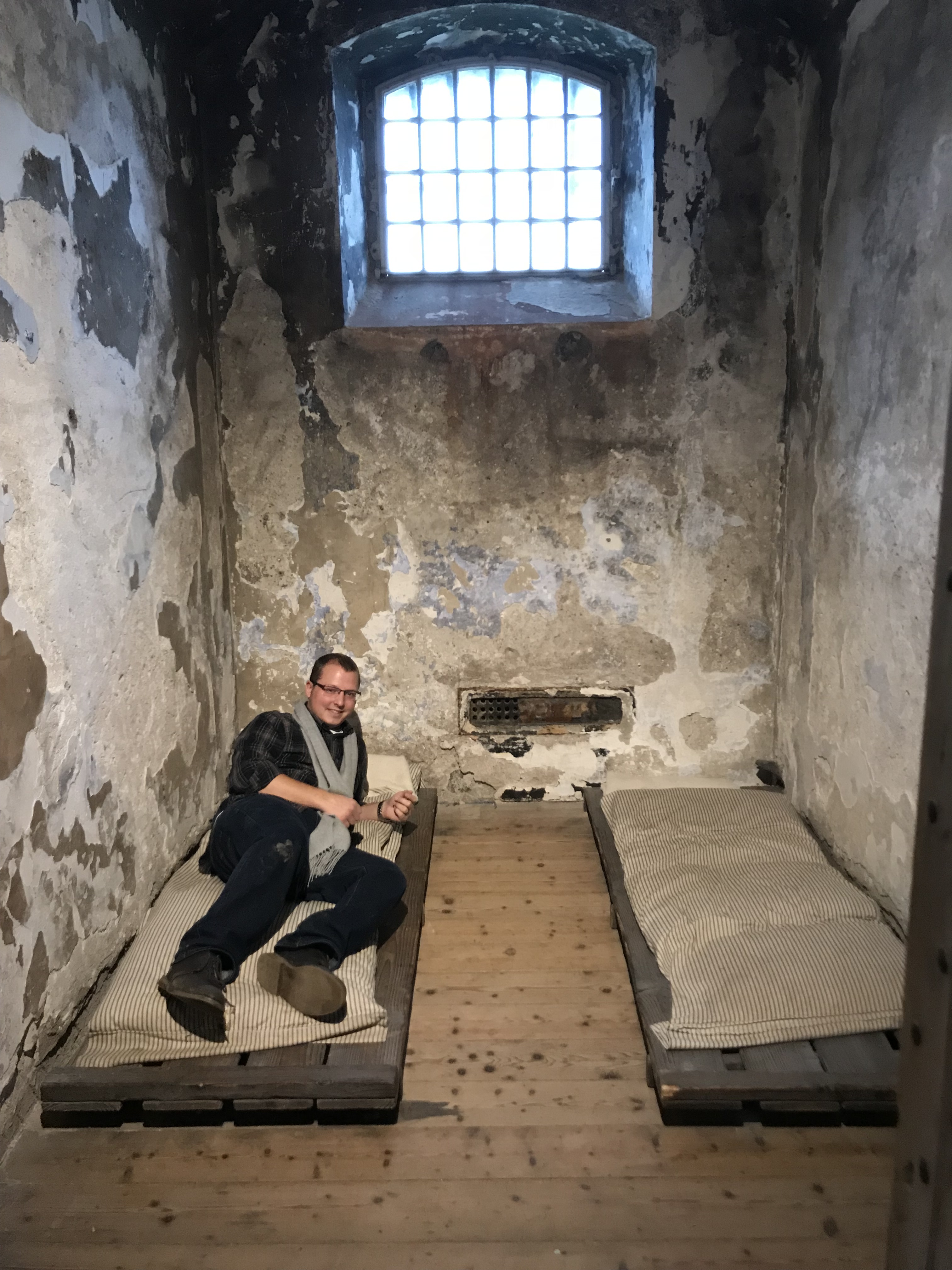
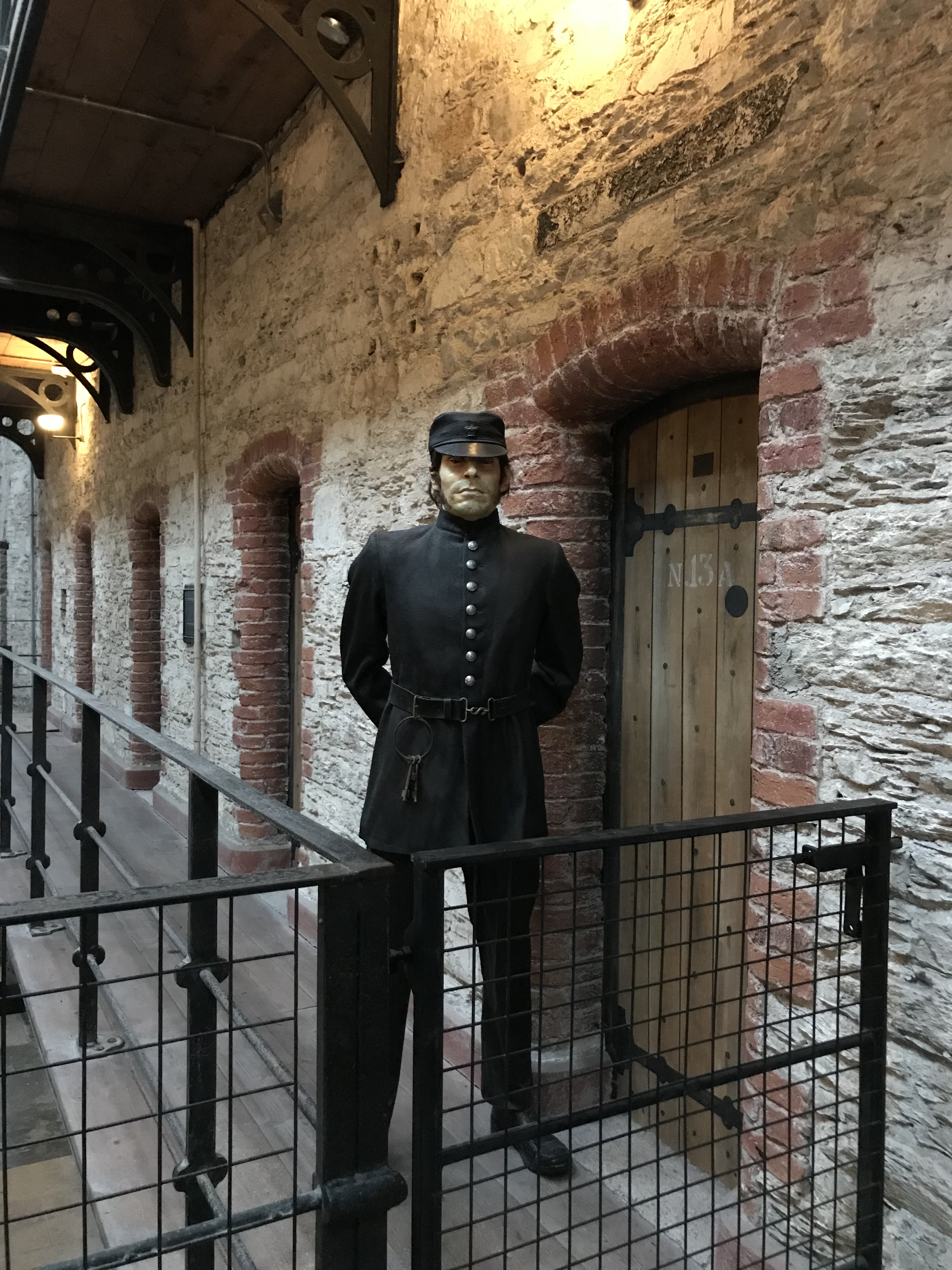
Originally built in the late-1800’s, Cork City Goal was home to men, women, and children until its doors officially closed in the early-1920’s. The prison reopened as a visitor-attraction in the 1990’s and remains open to visitors 360-days a year, with varying hours depending on the season. In addition to wandering the prison halls from the guards perspective, visitors even have the opportunity to walk, or sit, directly in the prisoner’s cells. $
Accommodations:
Maldron Hotel – The Maldron hotel is perfectly located in downtown Cork and sits over-looking the City Centre. Compared to our stay in Limerick, this hotel was more-pricey, but equally clean and convenient. Our only complaint was that parking was a nightmare! $$
Places to Eat:
Tony’s Bistro – Cheap and filling. Recommended to us by the concierge at our hotel, Tony’s Bistro is located just a short 10-minute walk from the Maldron Hotel. The best place to enjoy a quick, traditional Irish breakfast. $
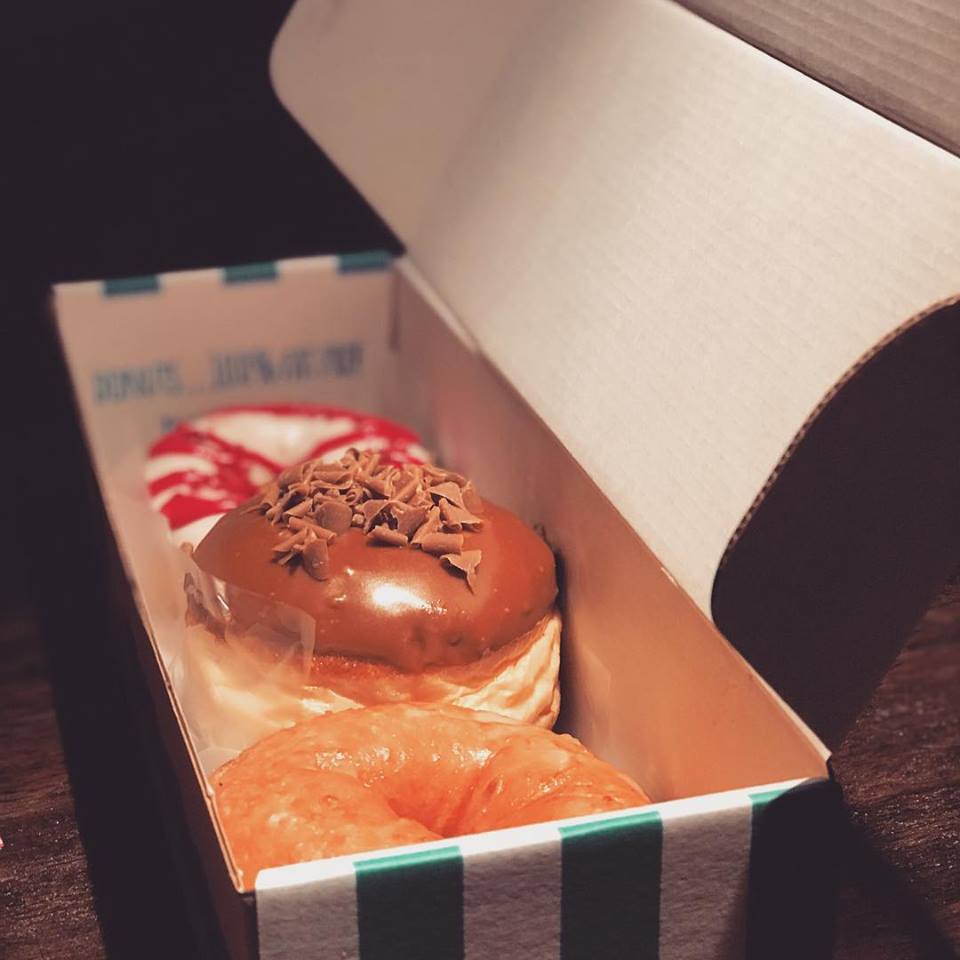
Sticky Fingers – The Sticky Fingers is a one-of-a-kind, hand-crafted, donut shop located in the city centre of downtown Cork. Visitors can either dine-in or take-away. Each donut is made fresh, daily, and topped or filled with candy or jelly. $
Dublin
The Dublin Pass is the best choice for optimizing your time and money while in Dublin. The pass is designed to provide the user entry to 30+ tourist attractions located all throughout downtown Dublin. There are different pass options for 1-day, 2-days, 3-days, or 5-days, depending on your length of stay and agenda. More importantly, the pass provides a convenient, hassle-free way to visit the prominent attractions around Dublin. Each pass comes with a detailed guidebook that offers poignant information regarding each attraction such as hours of operation, location, as well as a brief history of the site itself. Not only does the Dublin Pass eliminate having to wait in line for tickets, but each pass comes with fast-track entry into each location to avoid all lines entirely! Users even have the ability to travel to-and-from each location as part of the hop-on. hop-off bus tour(s). A large portion of major cities throughout Europe offer this option – the ease and convenience of traveling.
Things to Do: Located in the Northeastern side of the country, Dublin is the capital, and heart, of Ireland, with over 500,000 residents in the immediate area. One of the oldest, and historically preserved, cities in Ireland, Dublin offers a wide berth of Irish heritage and history.
Trinity College Dublin – Trinity College is home to over 200,000 ancient texts dating all the way back to the early 18th century. The largest attraction on site is the 18th century library and Book of Kells, located within Trinity College’s library. Guided tours of the college campus are available, with enough notice, but unnecessary for the actual library.
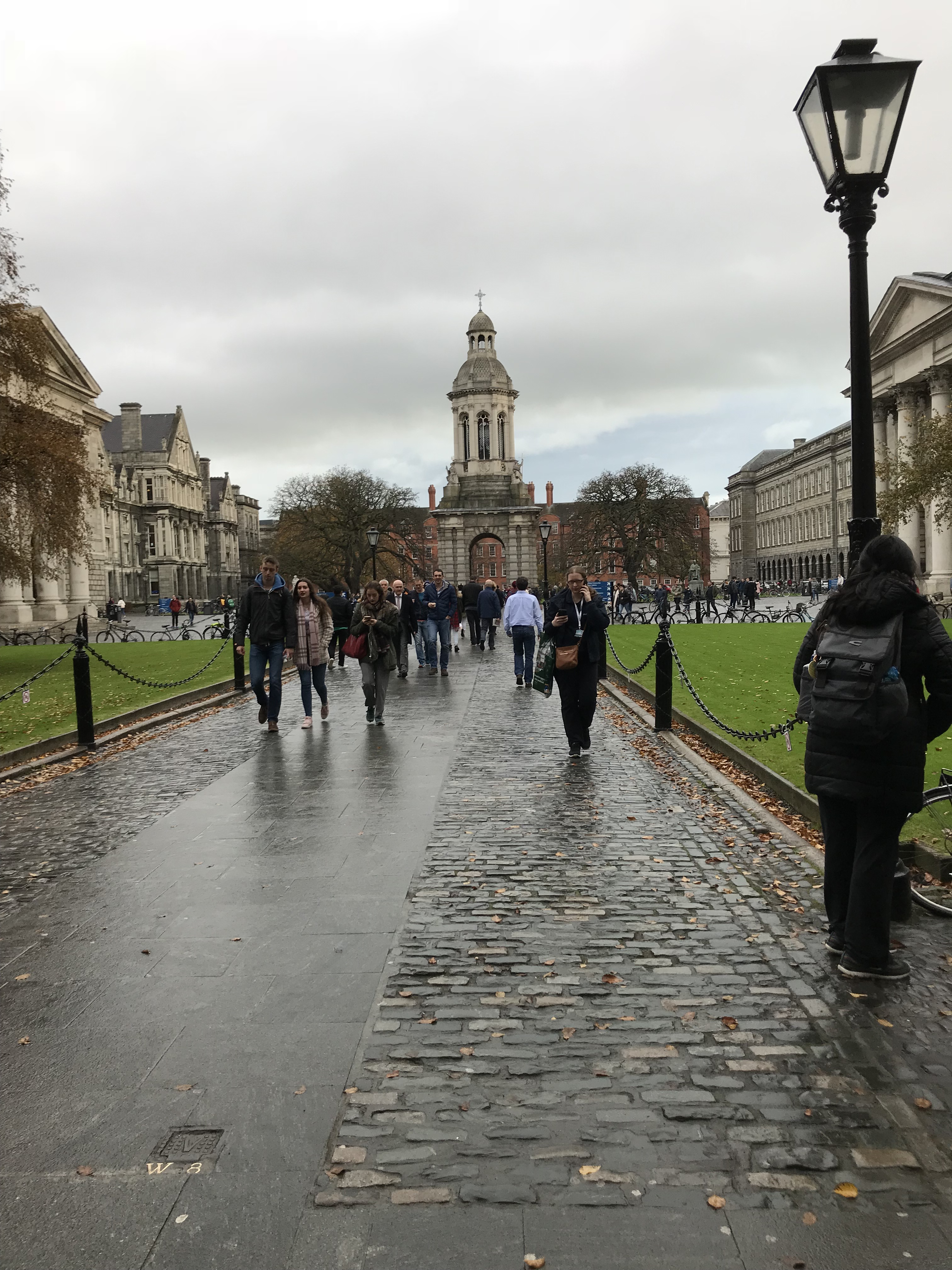
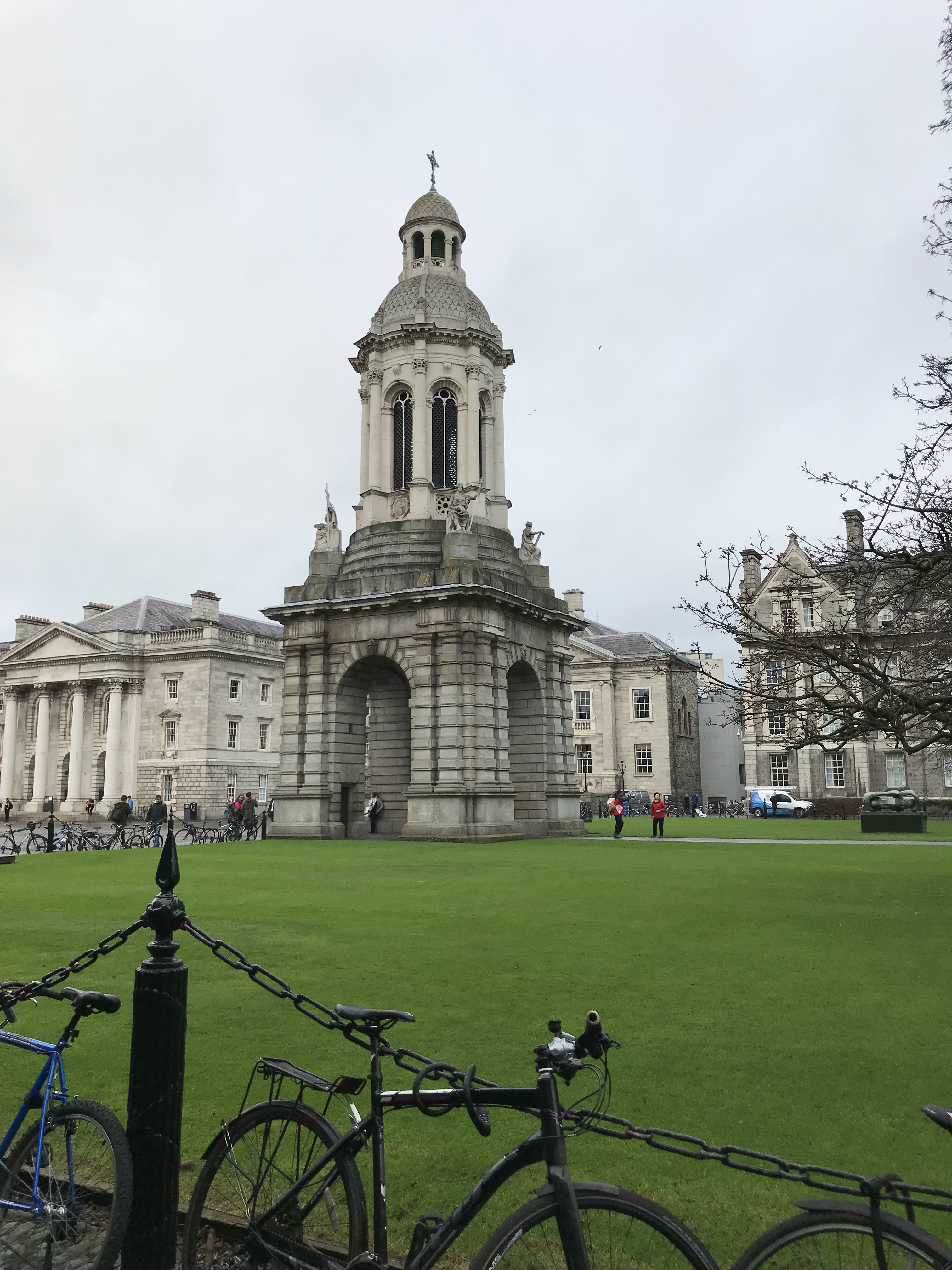
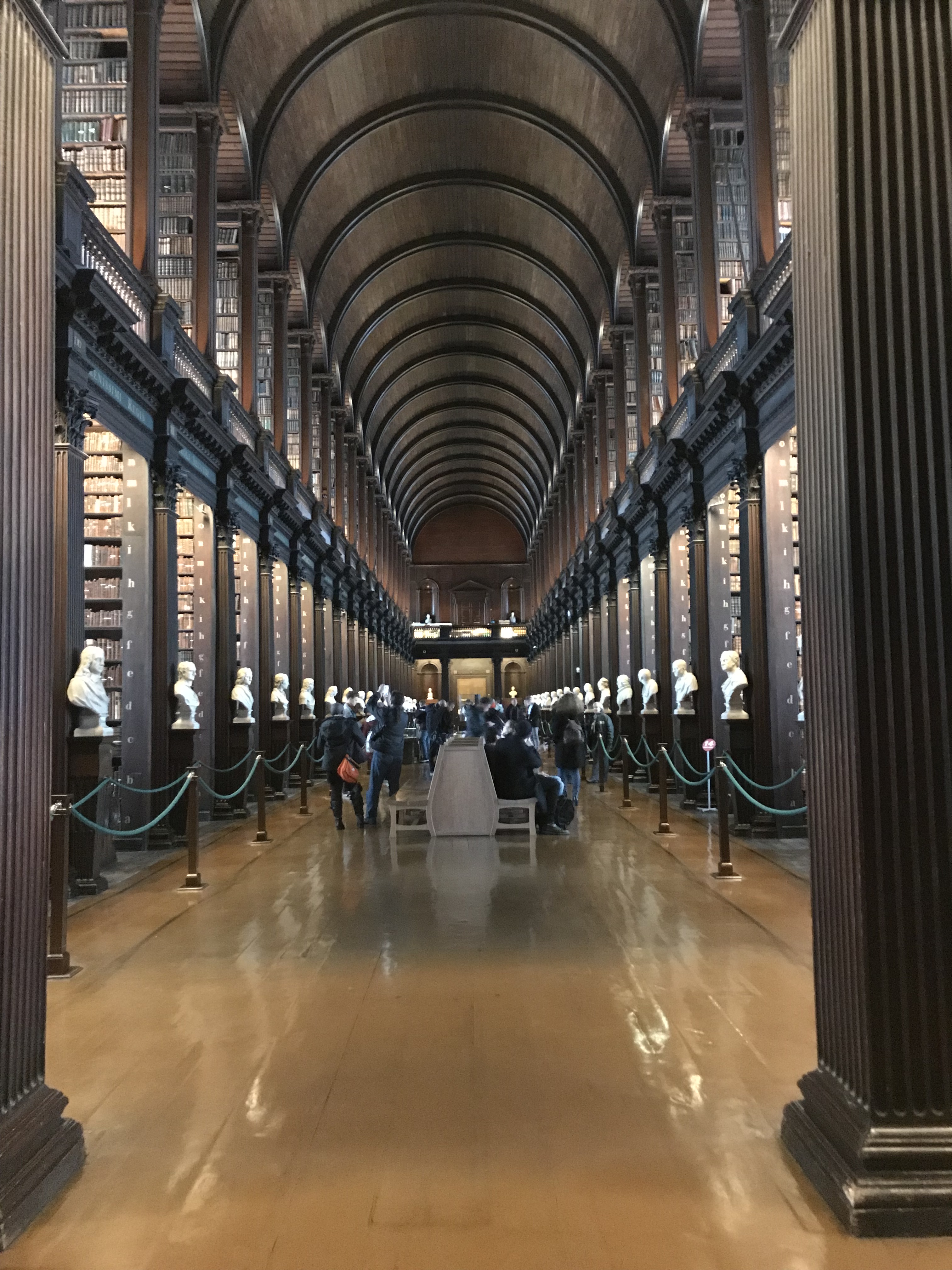
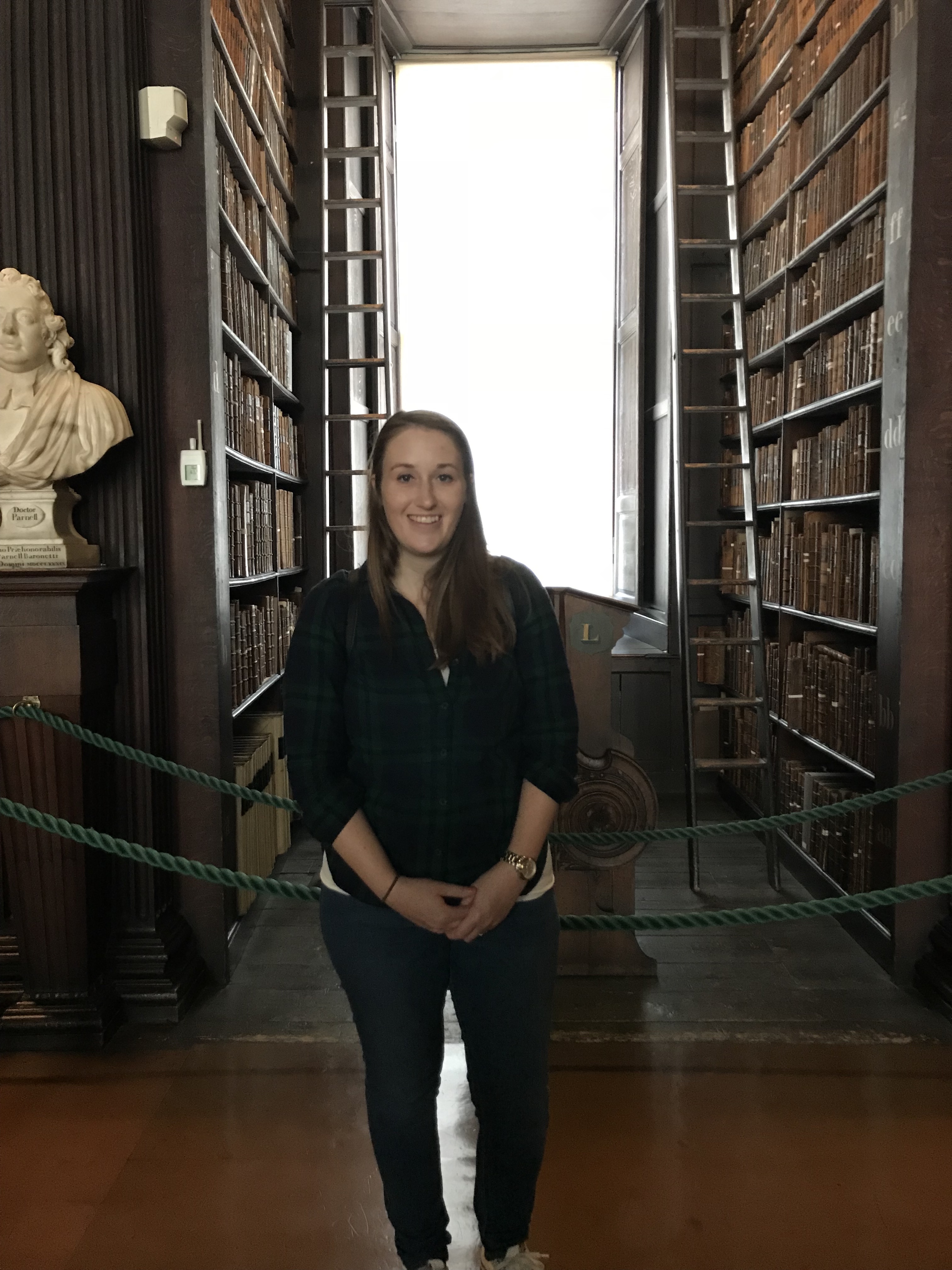
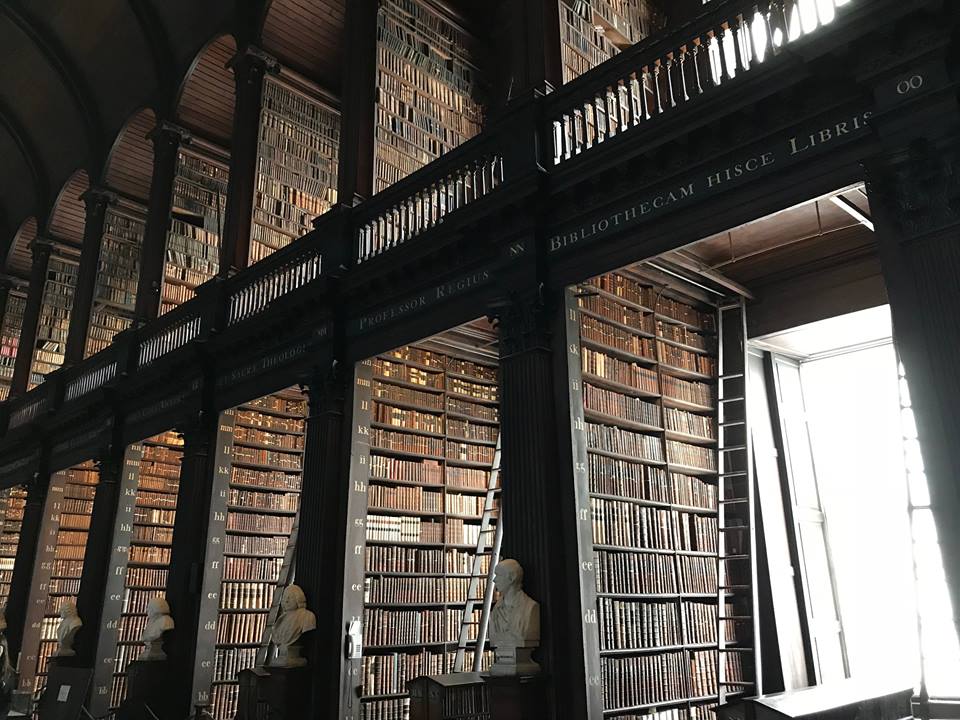
Book of Kells – Located within the Trinity College library, the Book of Kells is a 9th century manuscript depicting the four gospels of Jesus Christ. Traditionally speaking, I am not one for religion or worship, but there’s nothing quite like the smell of an old-book to make you appreciate the development of religion over the years. The exhibit is open year-round, with plenty of fore-warning when the Book of Kells is taken off display for maintenance purposes. The downside is that, due to it’s fragility, visitors are not allowed to take pictures anywhere besides the “Long Room” library (pictured below). Tickets run 14 Euros per person (roughly 16 USD) or 11 Euros per person (12 USD) with a valid student ID. $$
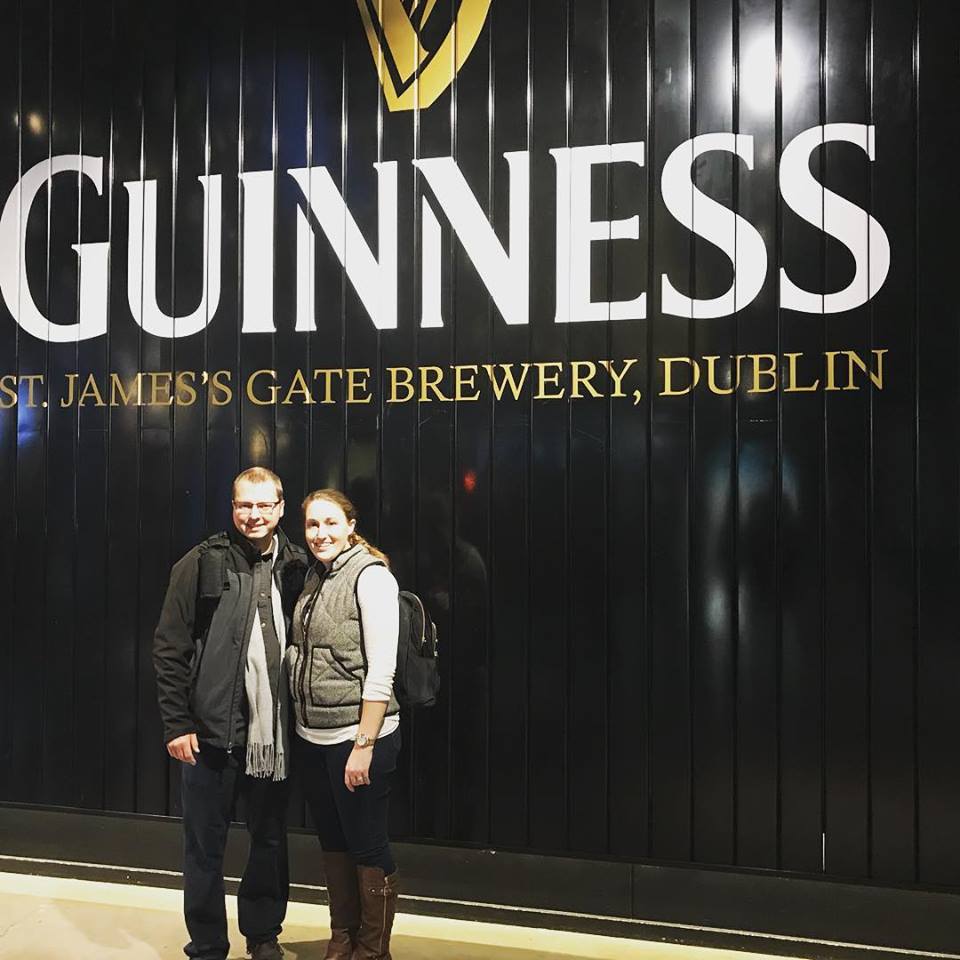
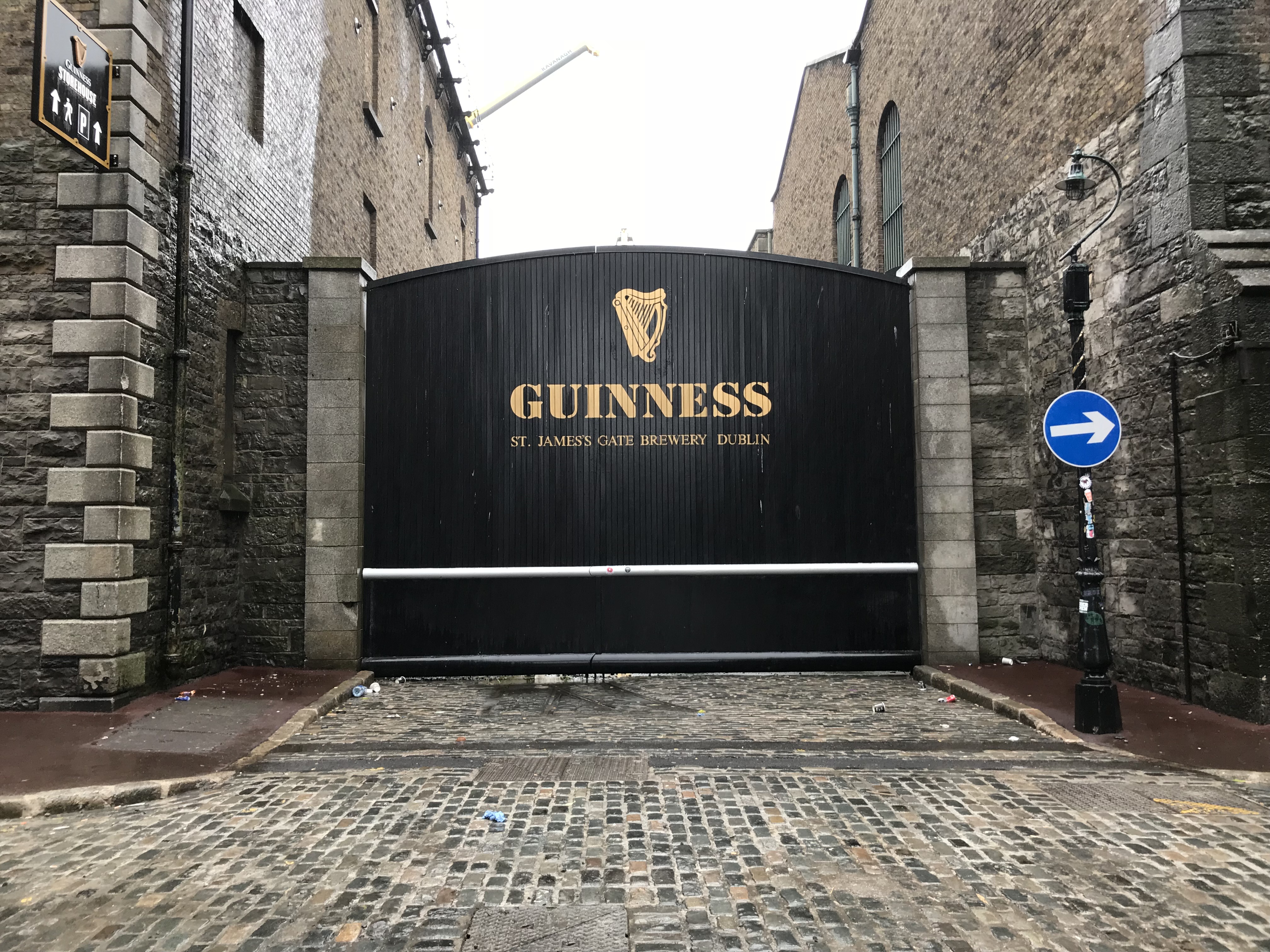
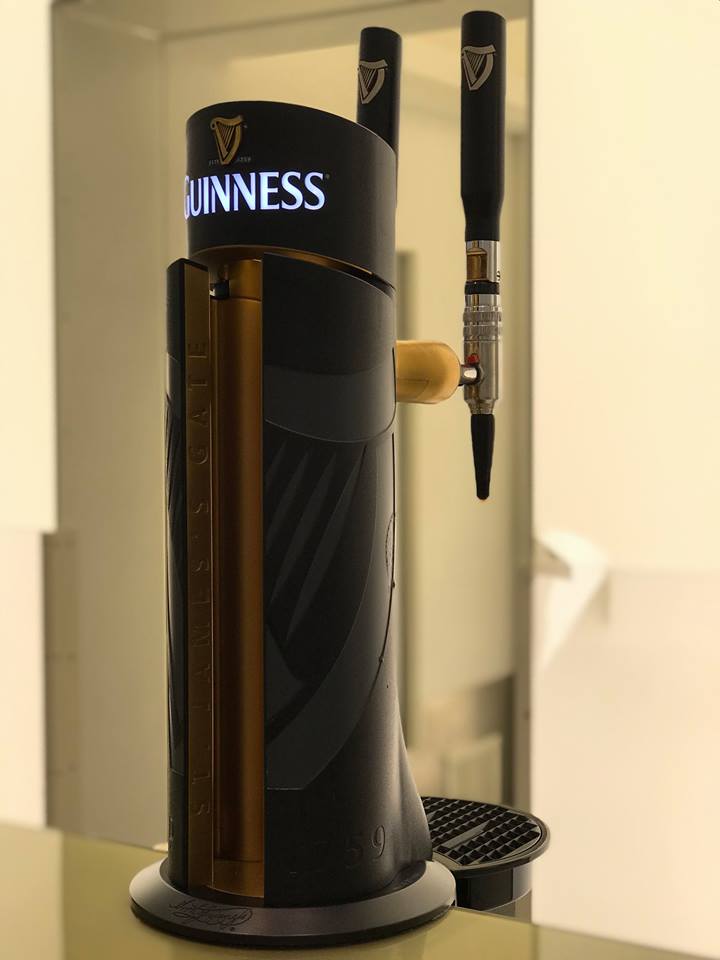
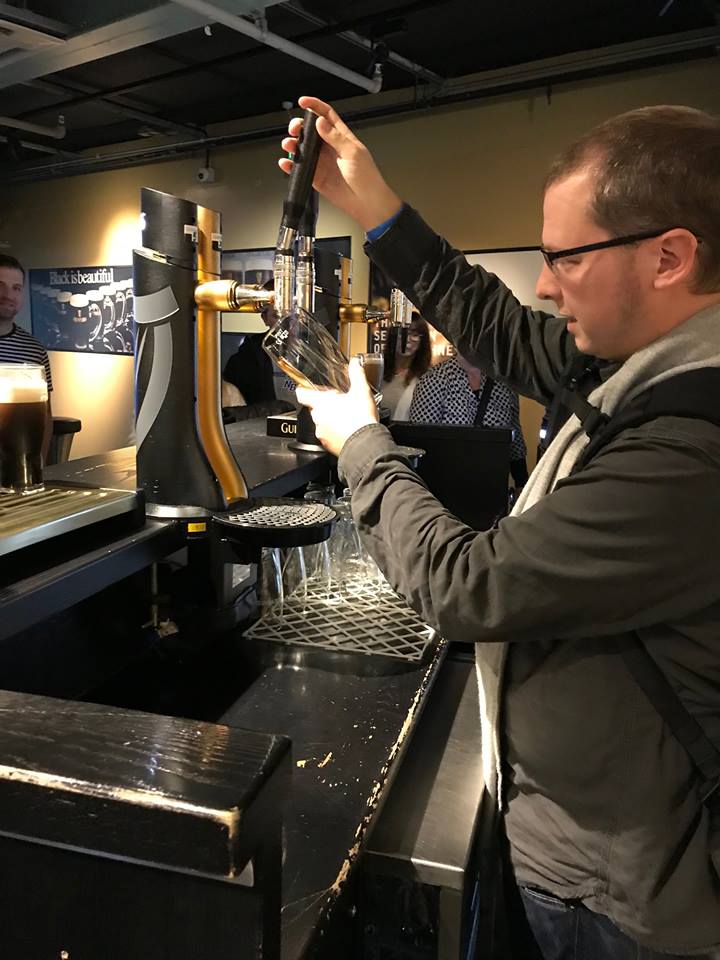
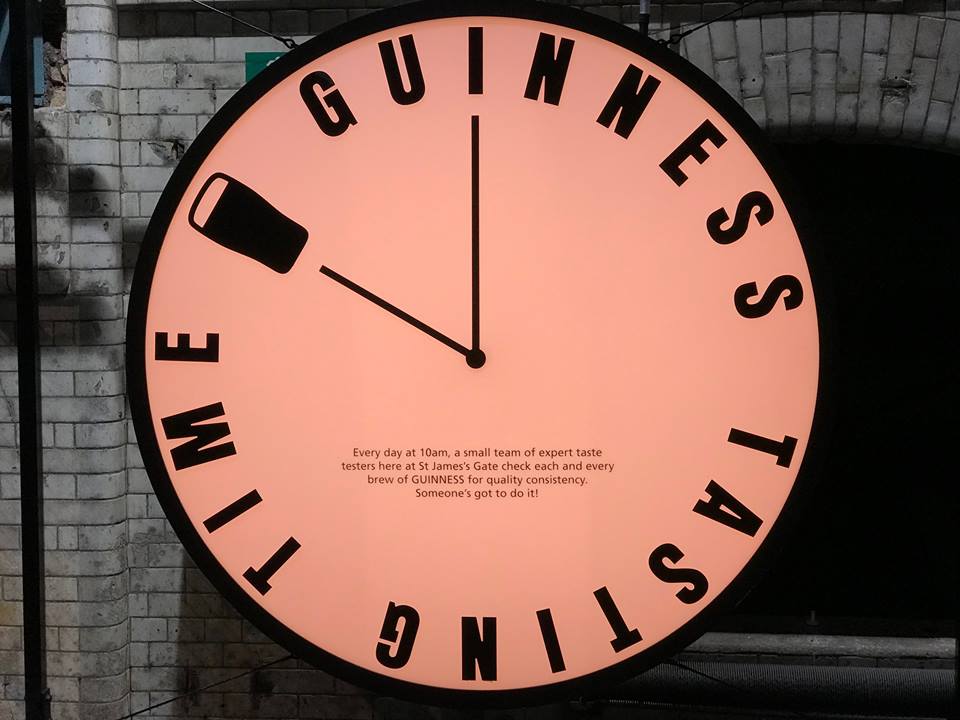
Guinness Factory – As the saying goes, “when in Roman, do like the Roman’s do.” Well, when in Ireland, drink like the Irish do. One of the top-rated tourist attractions in all of Dublin, the Guinness Storehouse offers visitors an inside look to learn the history and process of brewing the iconic stout. Despite it’s namesake, the Storehouse is not the actual brewery. Instead, the Storehouse is a self-guided tour through seven floors of interactive experiences. There are four separate restaurants, cafes, and dining halls on-site as well as two separate bars. The largest of the two bars is located on the top-most floor and provides visitors with a panoramic view of downtown Dublin. Each ticket purchase includes a free pint, available for pick-up at either bar, as well as the step-by-step process to pour the perfect pint. Visitors are granted with a professional certificate indicating their success too! Tickets run 18.50 Euros per person (almost 21 USD) or 16 Euros per person (close to 18 USD) with valid Student ID. The Guinness Storehouse is open year-round, except Christmas. If you plan to visit the iconic brewery, make sure you plan plenty of time to experience all seven floors. Note: tickets included as part of the Dublin Pass. $$
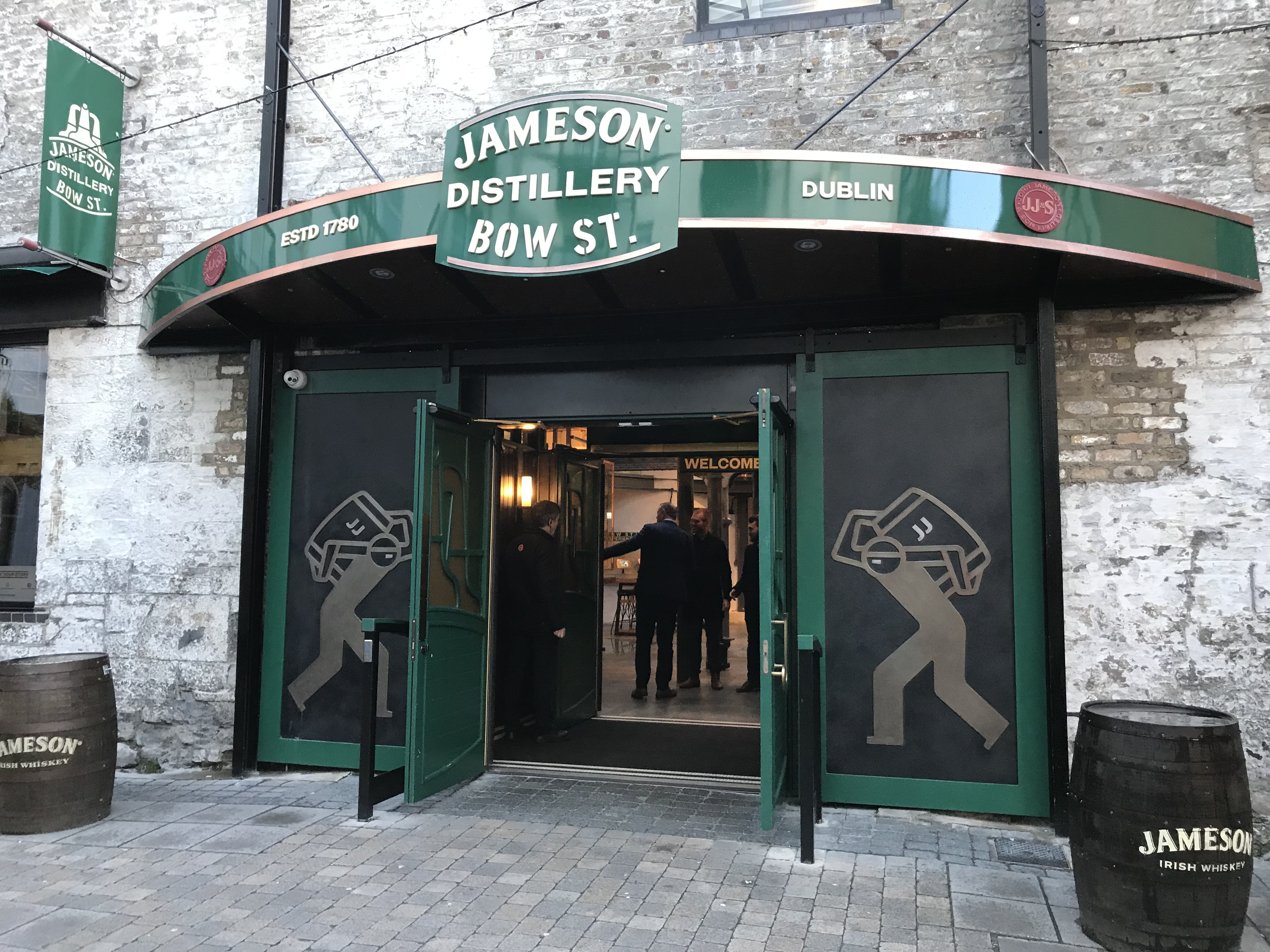
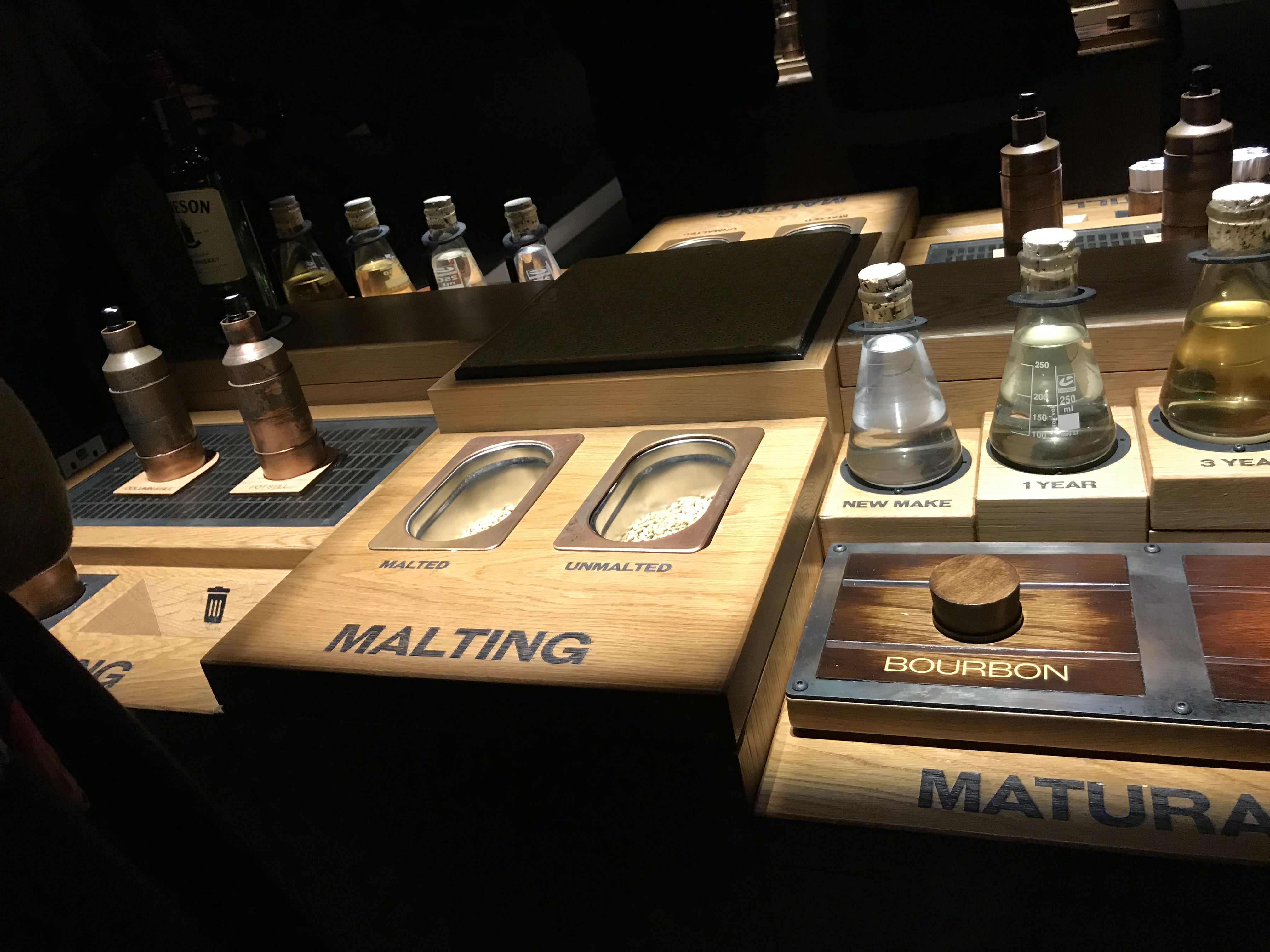
Jameson Distillery – Another iconic top-rated tourist attraction in Dublin is the Jameson Distillery. World renowned, the Jameson Distillery has been serving whiskey-lovers for over 200+ years; since 1780! The guided, interactive, tour runs 40-minutes and includes several free samples of whiskey all-the-while delving deeper into the whiskey-making process. Tickets run 22 Euros per person (roughly 25 USD) or 18 Euros per person (20 USD) with a valid Student ID. Tours must be booked ahead of time – I would encourage you to book ahead online for convenience and to skip the lines too. Note: guided-tours available through the Dublin Pass too. $$
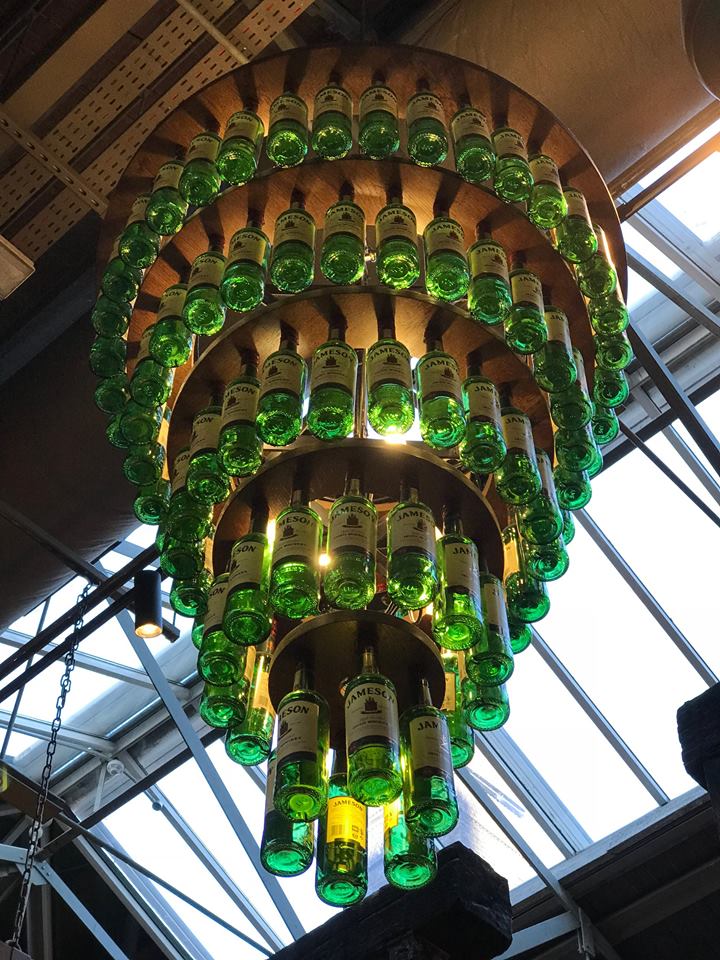
At the end of the tour, visitors are encouraged to tour the Jameson gift shop or enjoy additional samples of whiskey at the bar. One intriguing souvenir allows visitors to pour their own bottles from a one-of-a-kind Cask. Visitors are taken through the development of each individual barrel while also scribing your name, and bottle number, into the distillery’s records. $$$

Dublin Castle – Built in the 13th century as the heart of the Dublin-empire, the Dublin Castle transitioned into a fully-functional government complex in 1922. Even as a working-government building, the Dublin Castle is open-daily for tourists who wish to experience the inner-workings and behind-the-scenes of the Irish government. Self-guided tours are available as part of the Dublin pass, or, for 3 (3 USD) Euros per person more, visitors can partake in a 60-minute guided tour by one of the highly trained staff members. Each guided tour takes visitors through the excavation site, underneath the foundation, the Gothic Chapel and the State Apartments. Self-guided tours do not include entrance to the Gothic Chapel. $
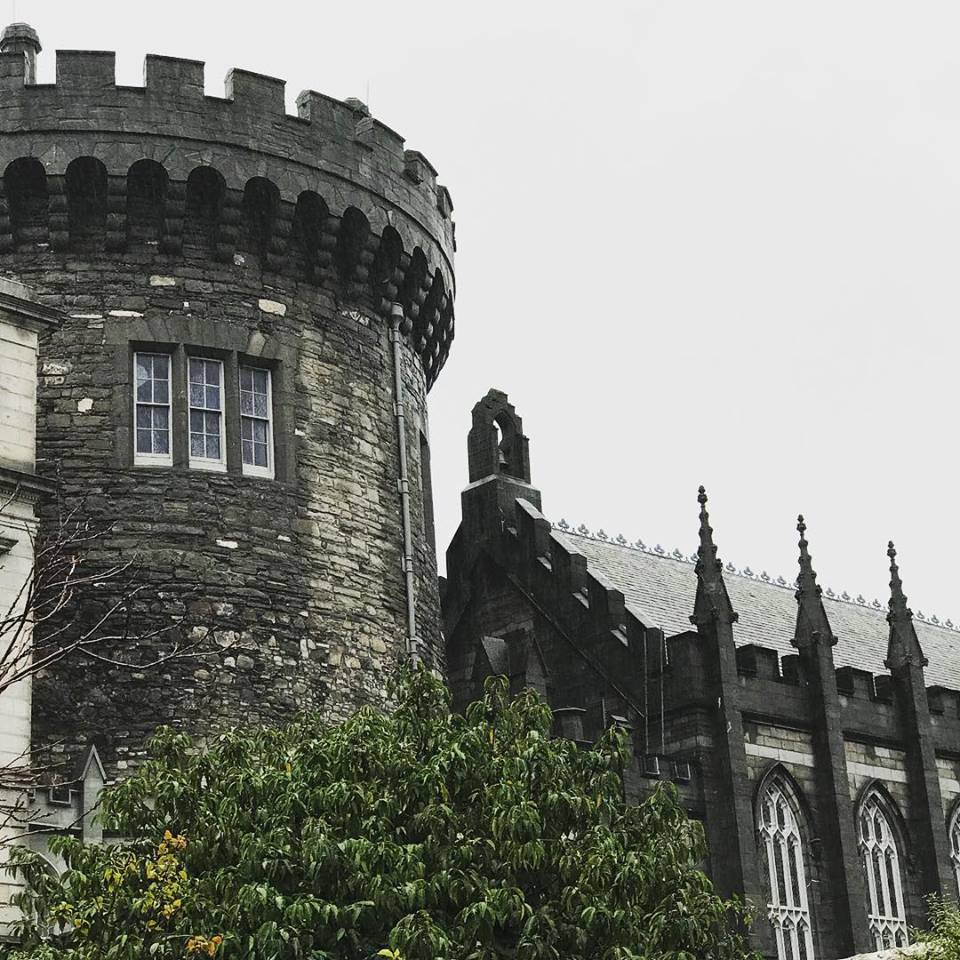
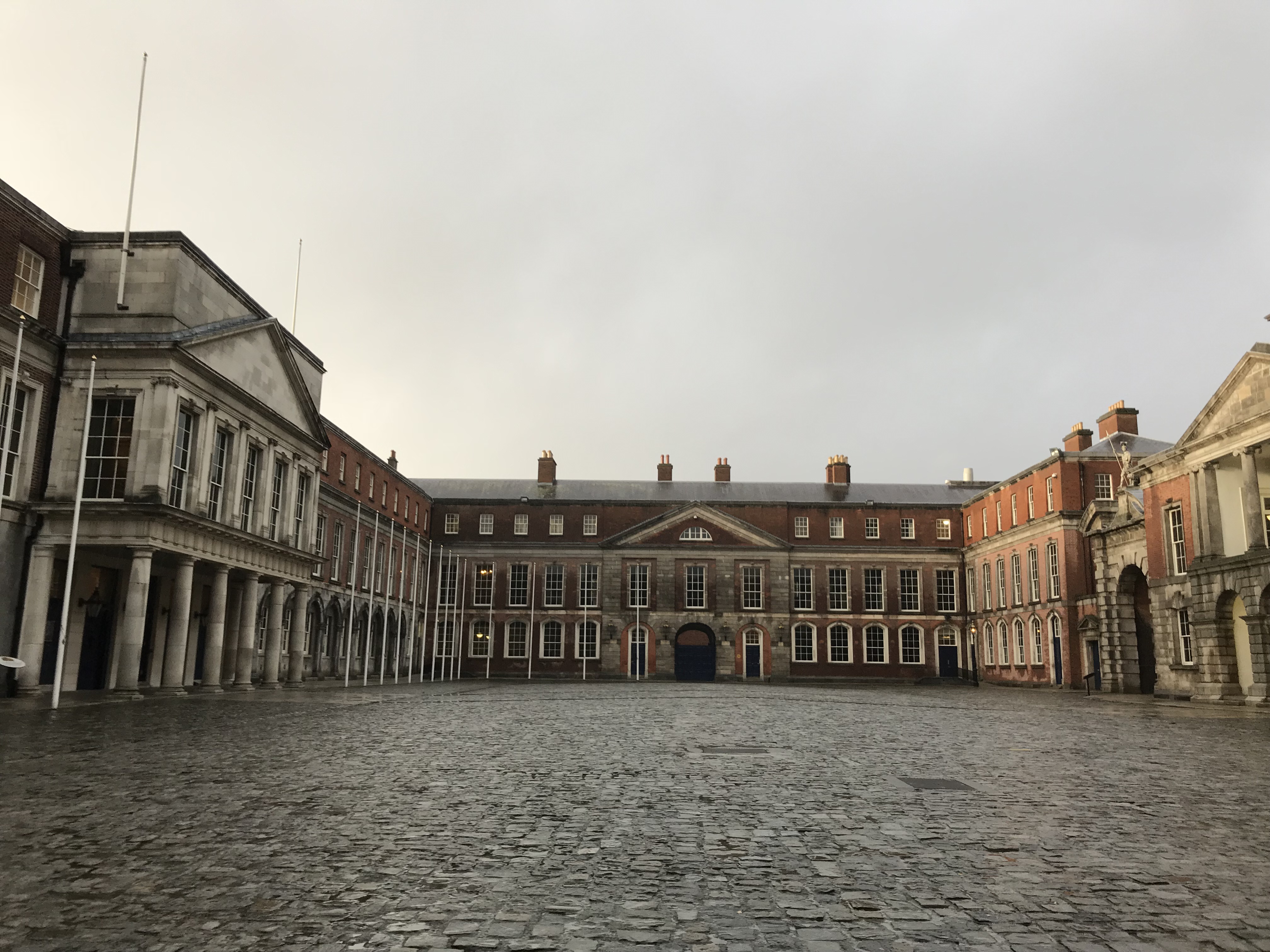
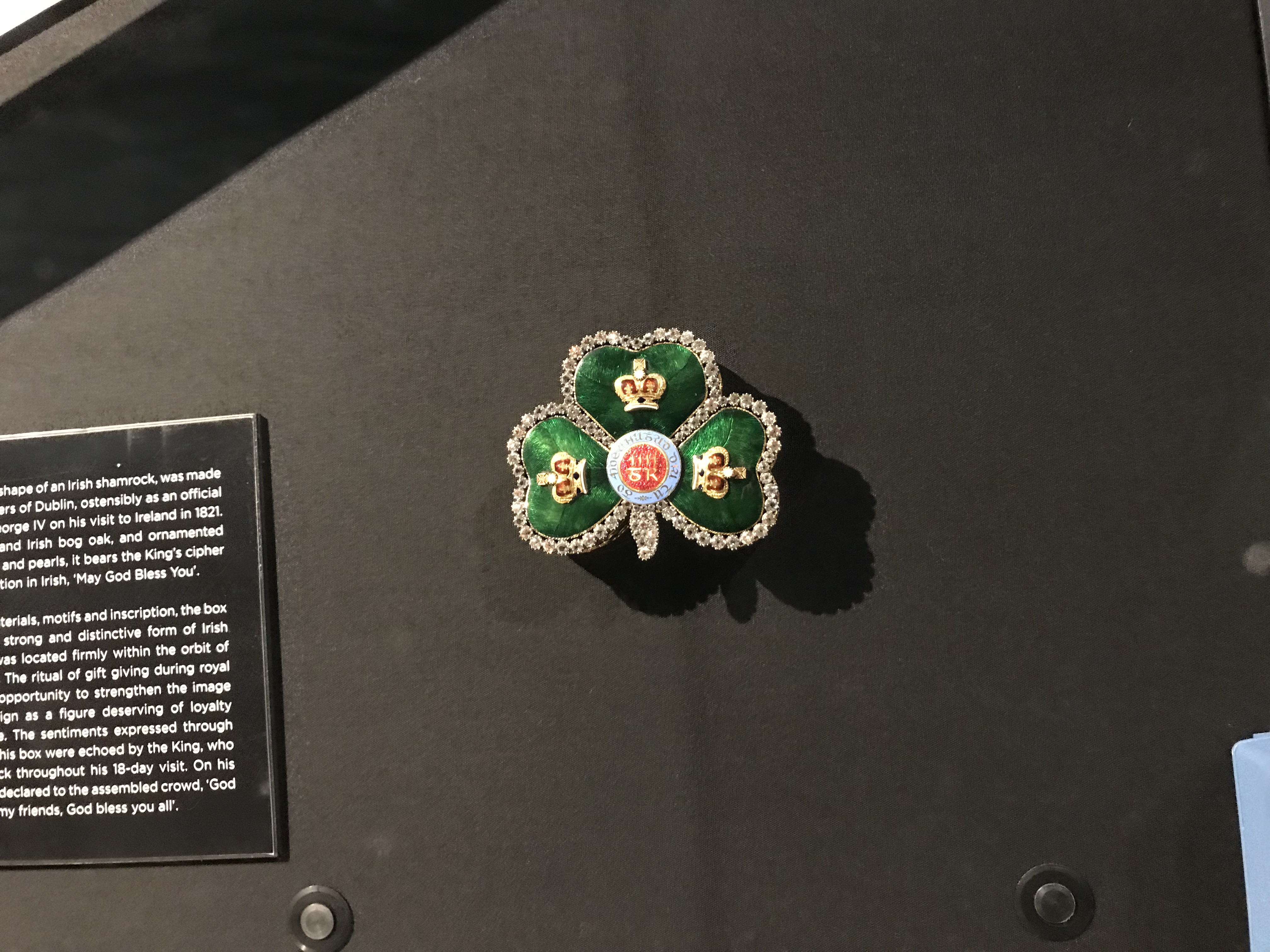
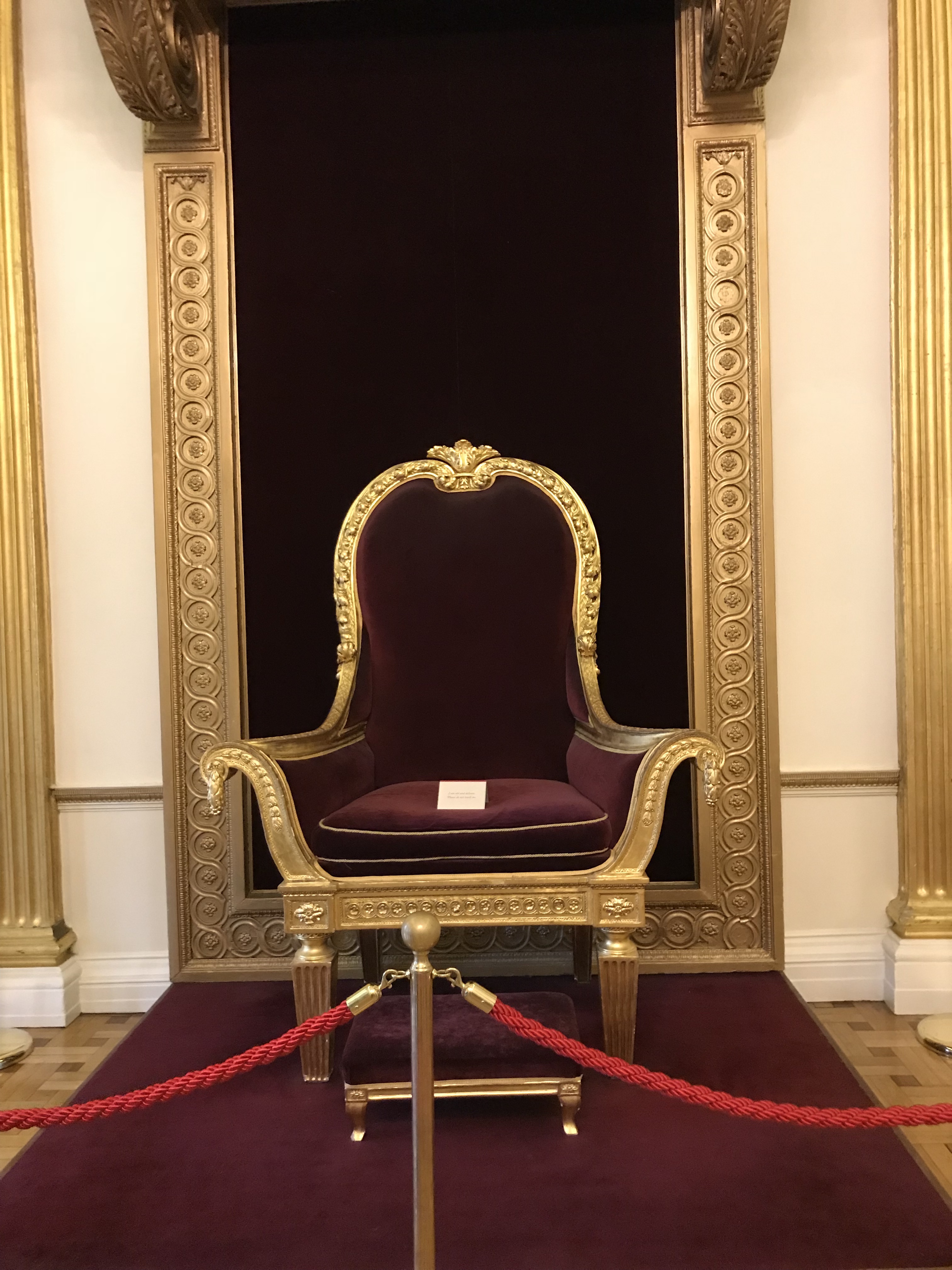
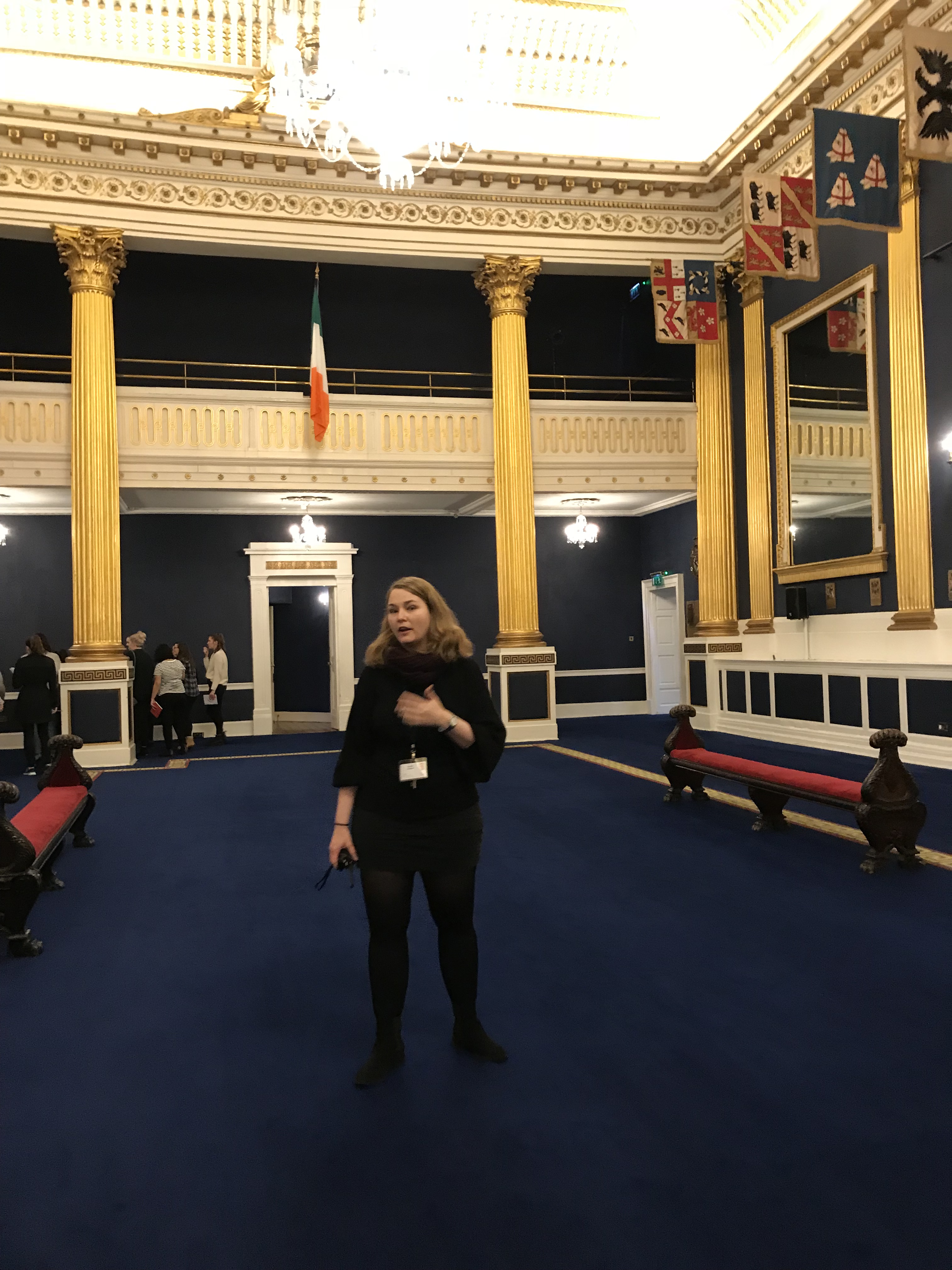
Located within the grounds of the Dublin Castle, visitors are privy to the governments well-maintained gardens where many ceremonies and celebrations are held every month. I would recommend touring the gardens while waiting for your tour to start!
St. Paul’s Cathedral – First constructed in 1911, St. Paul’s Cathedral is the largest-known Cathedral in Dublin. Also along the Dublin walking trail, entrance to St. Paul’s Cathedral is included as part of the Dublin Pass. Without the Dublin Pass, tickets cost 8 Euros per person (9 USD) or 7 Euros per person (about 8 USD) with a valid Student ID. Tours throughout St. Paul’s Cathedral occur on the hour, every hour, and are included as part of the ticket-fee. If you do not wish to partake in the guided tour, audio guides are also available for a small, additional, fee. $
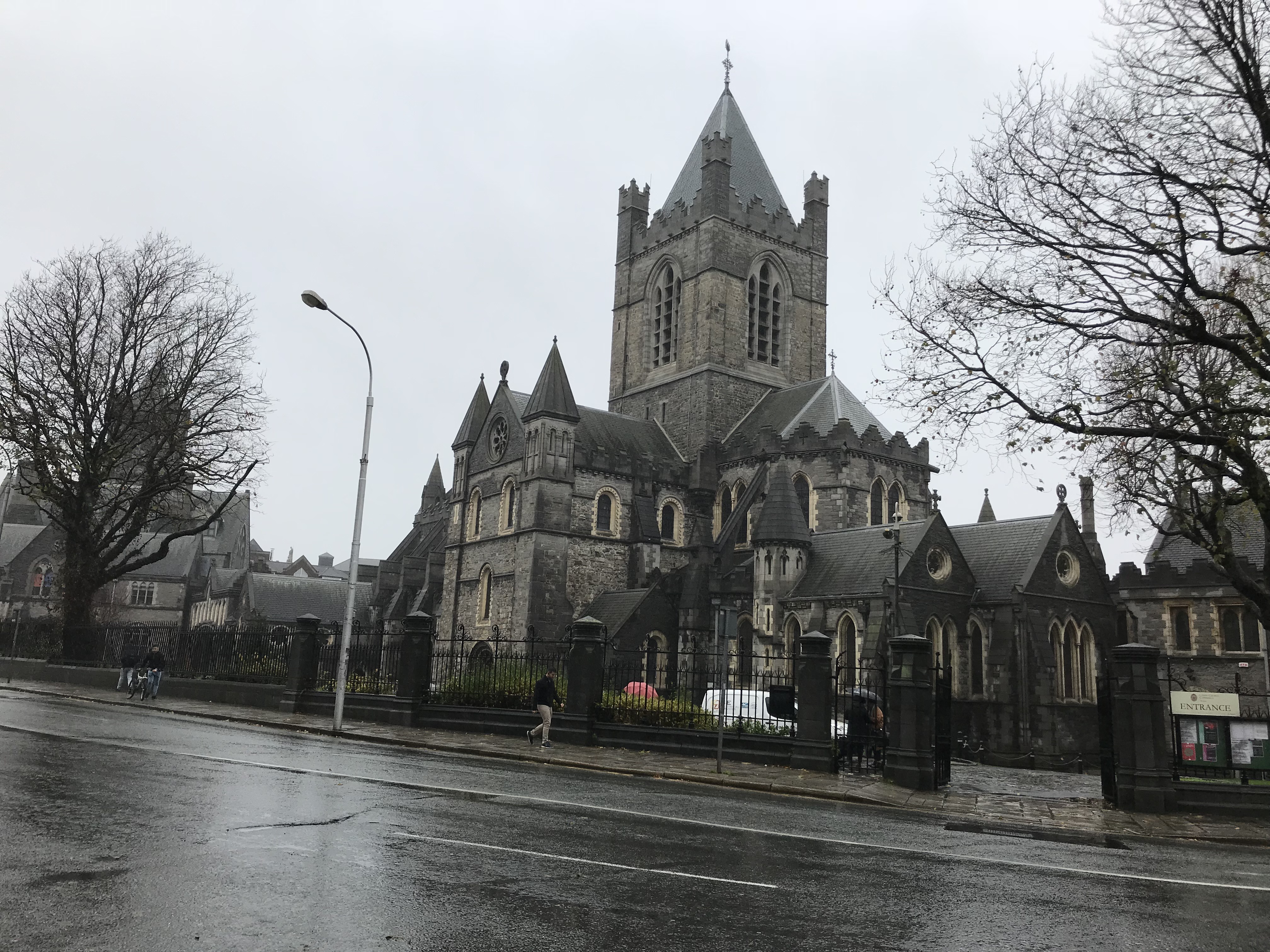
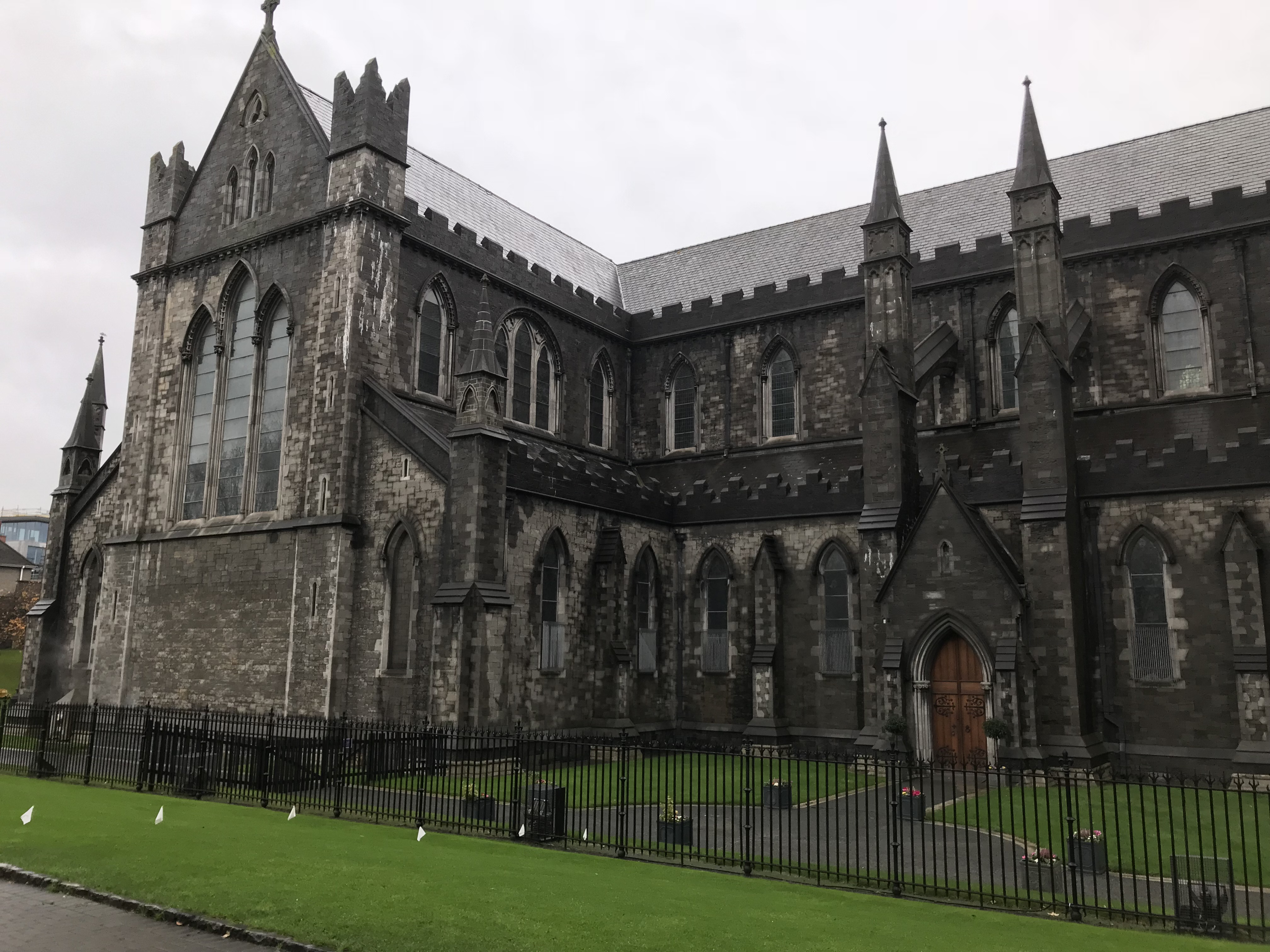
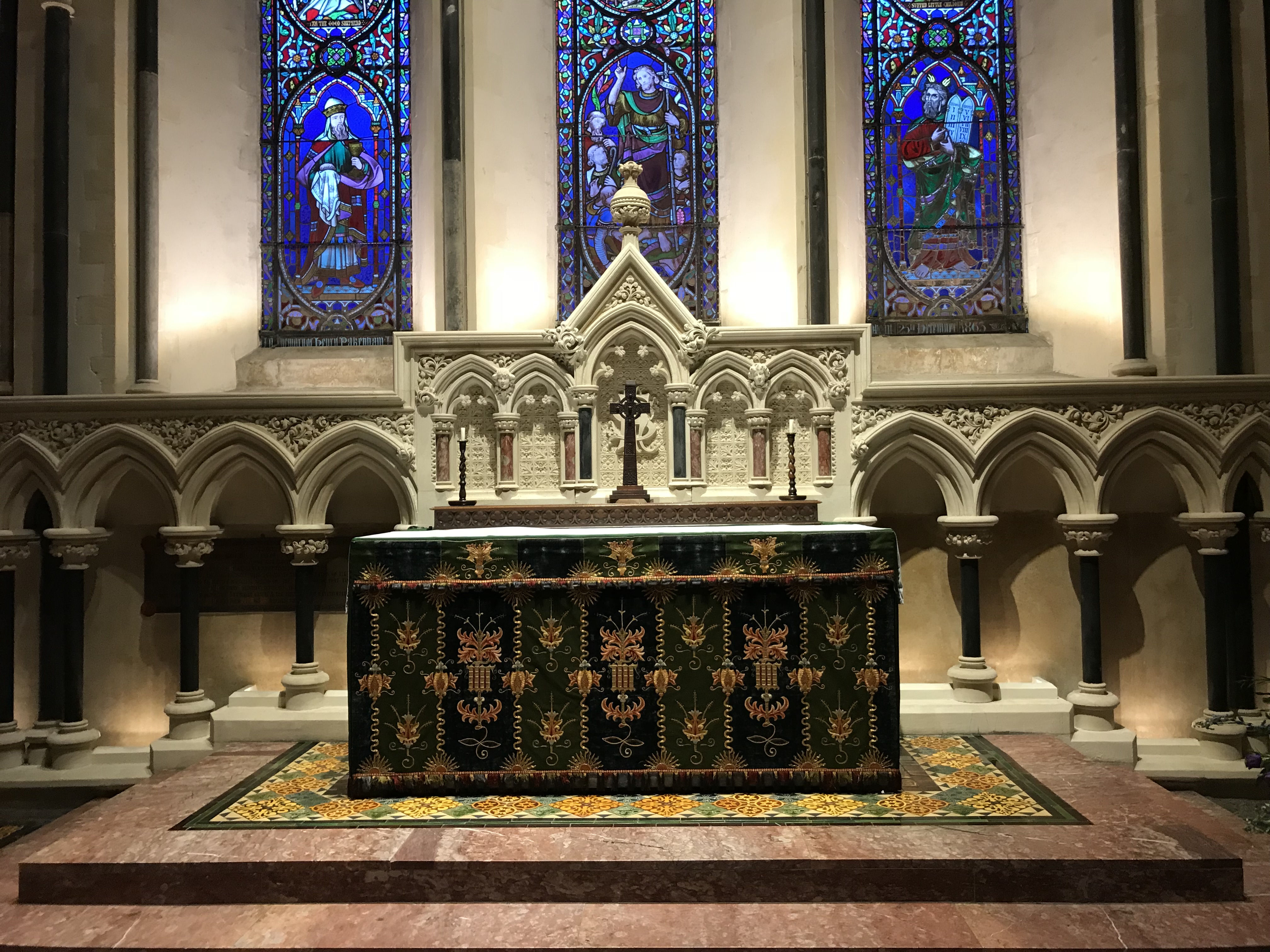
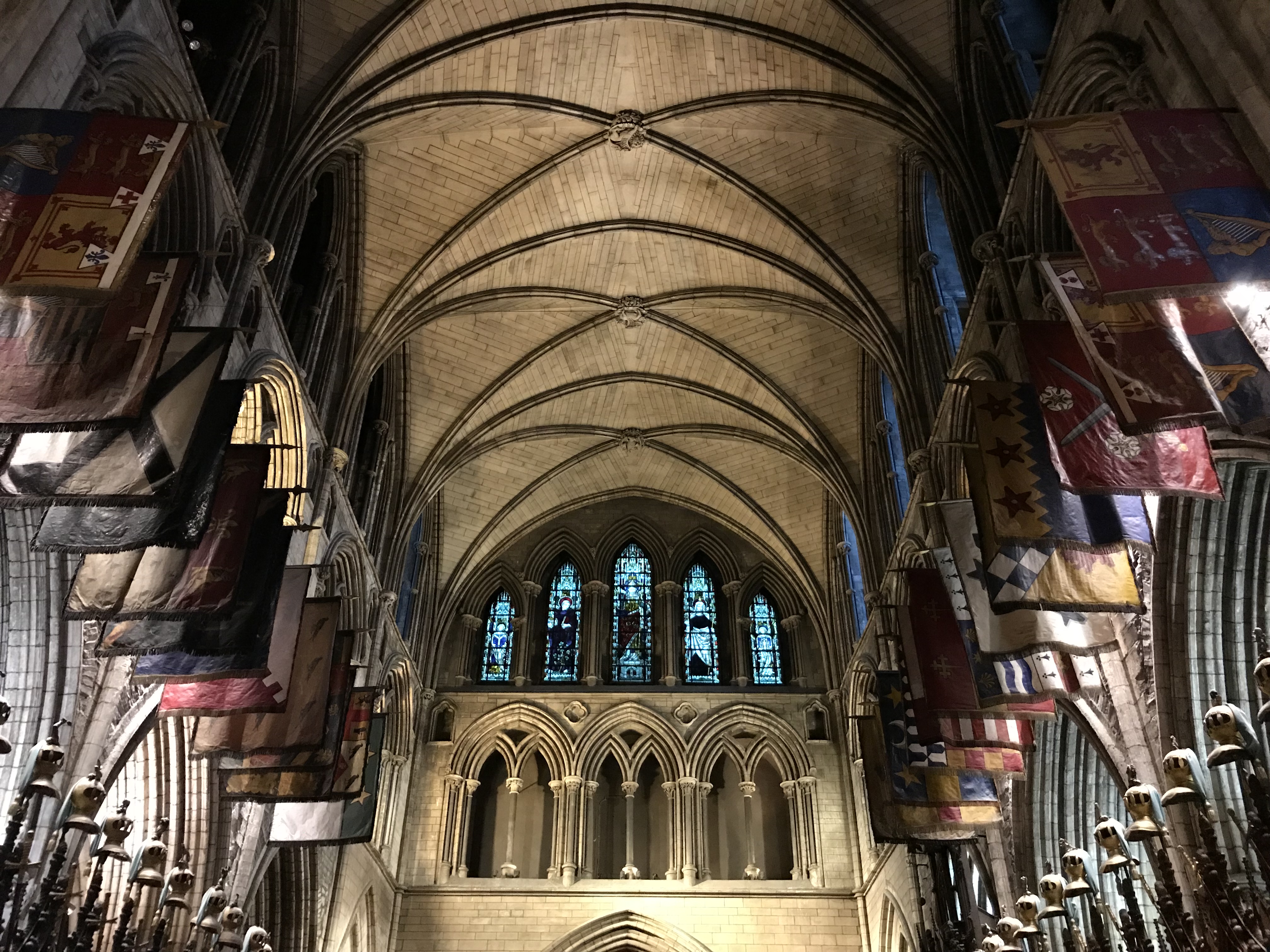
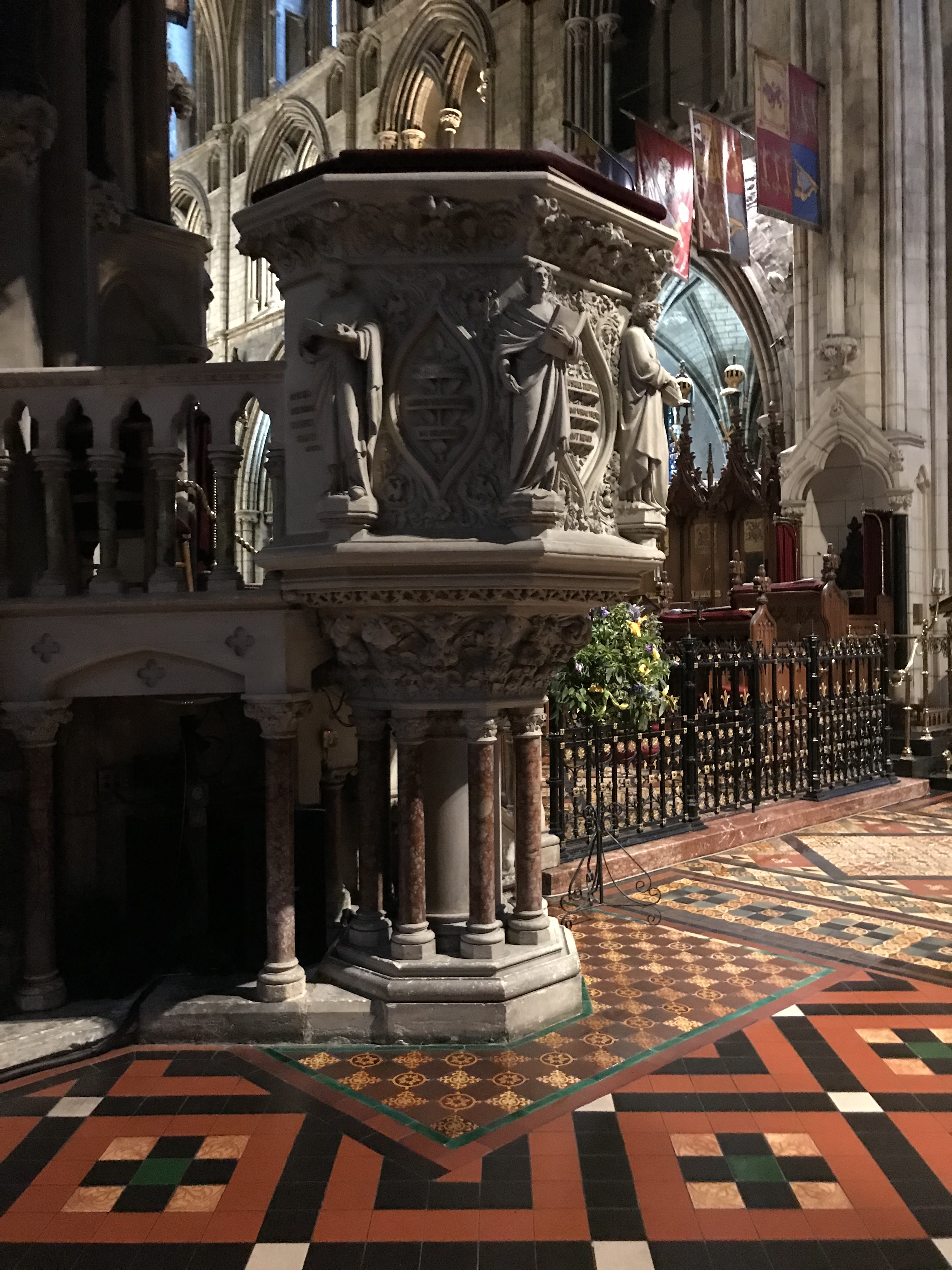
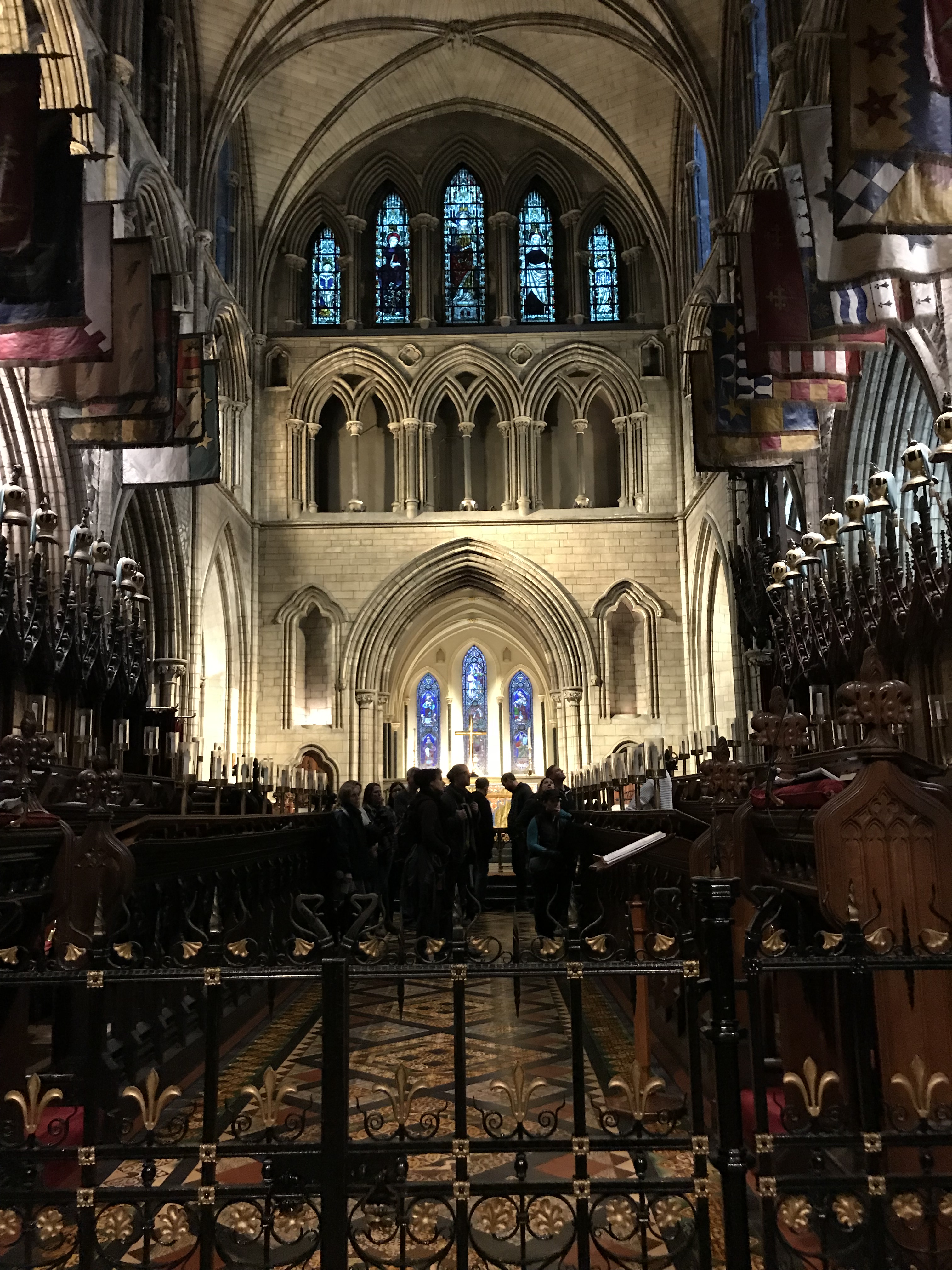
Despite my own lack of religious beliefs, remember that you are in a place of worship with a very rich, and deep, history. All ticket proceeds, including purchases at the small gift shop go to the preservation, and conservation, of the church.
Dublinia – With some extra time on our hands, and access to over 30+ free attractions through the Dublin Pass, my husband and I discovered the Dublinia – a look into the history of Viking and Medieval Ireland. Also known as Dublin’s Heritage Centre, Dublinia is made up of four distinct exhibits to showcase the history of Dublin. The fourth, and possibly most exciting exhibit, allows visitors to climb 96-steps to the top of St. Michael’s Tower.
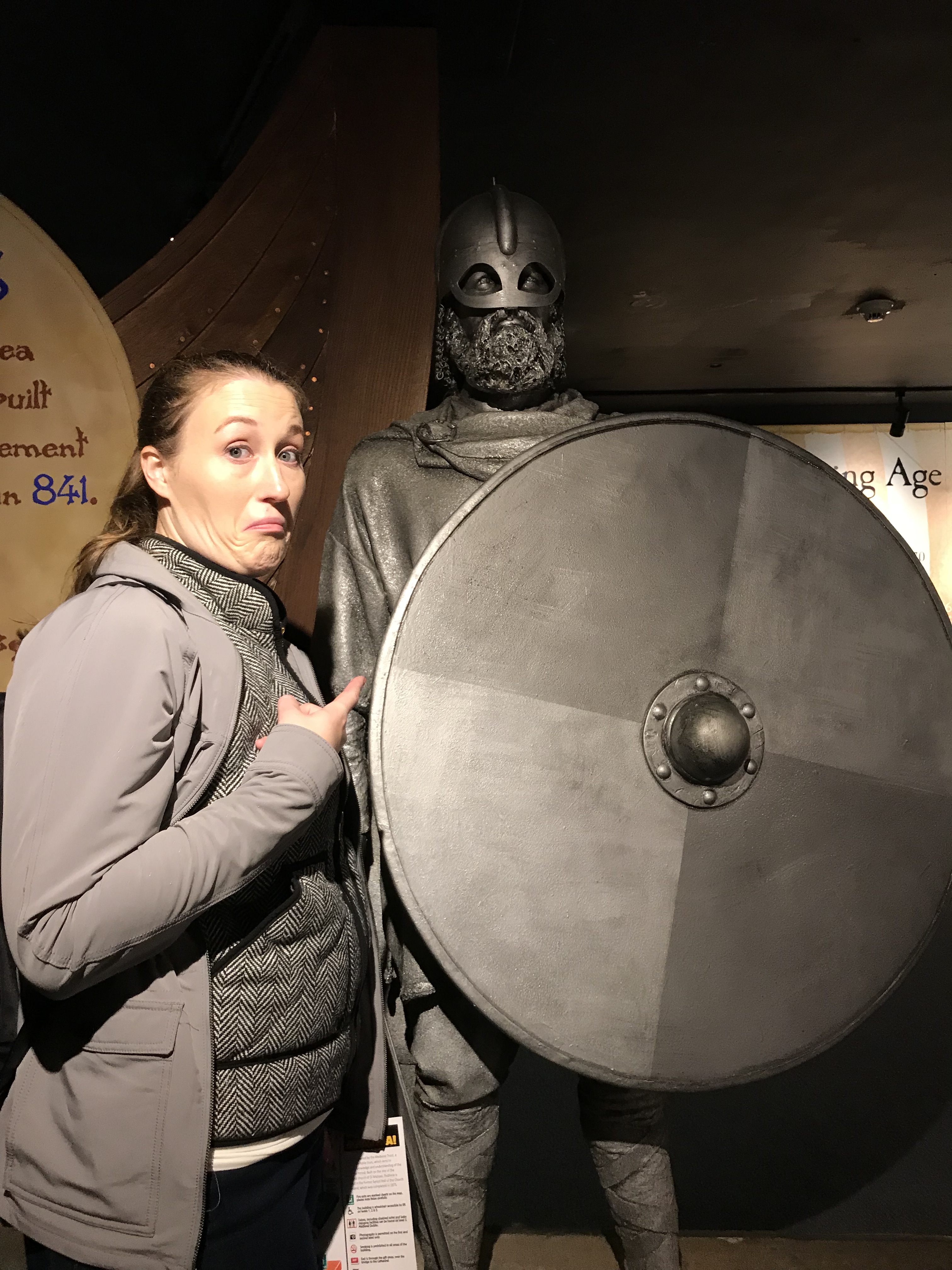
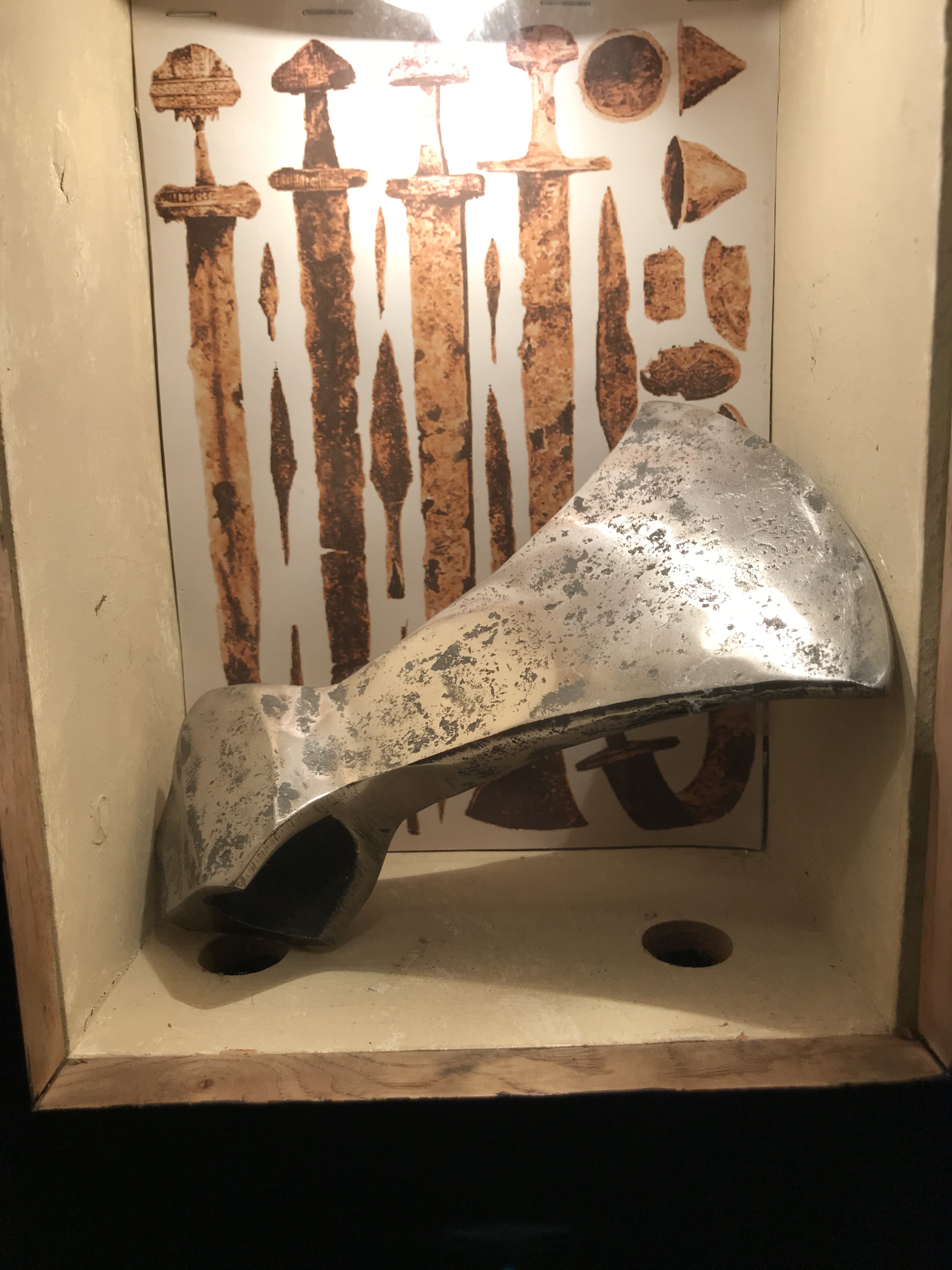
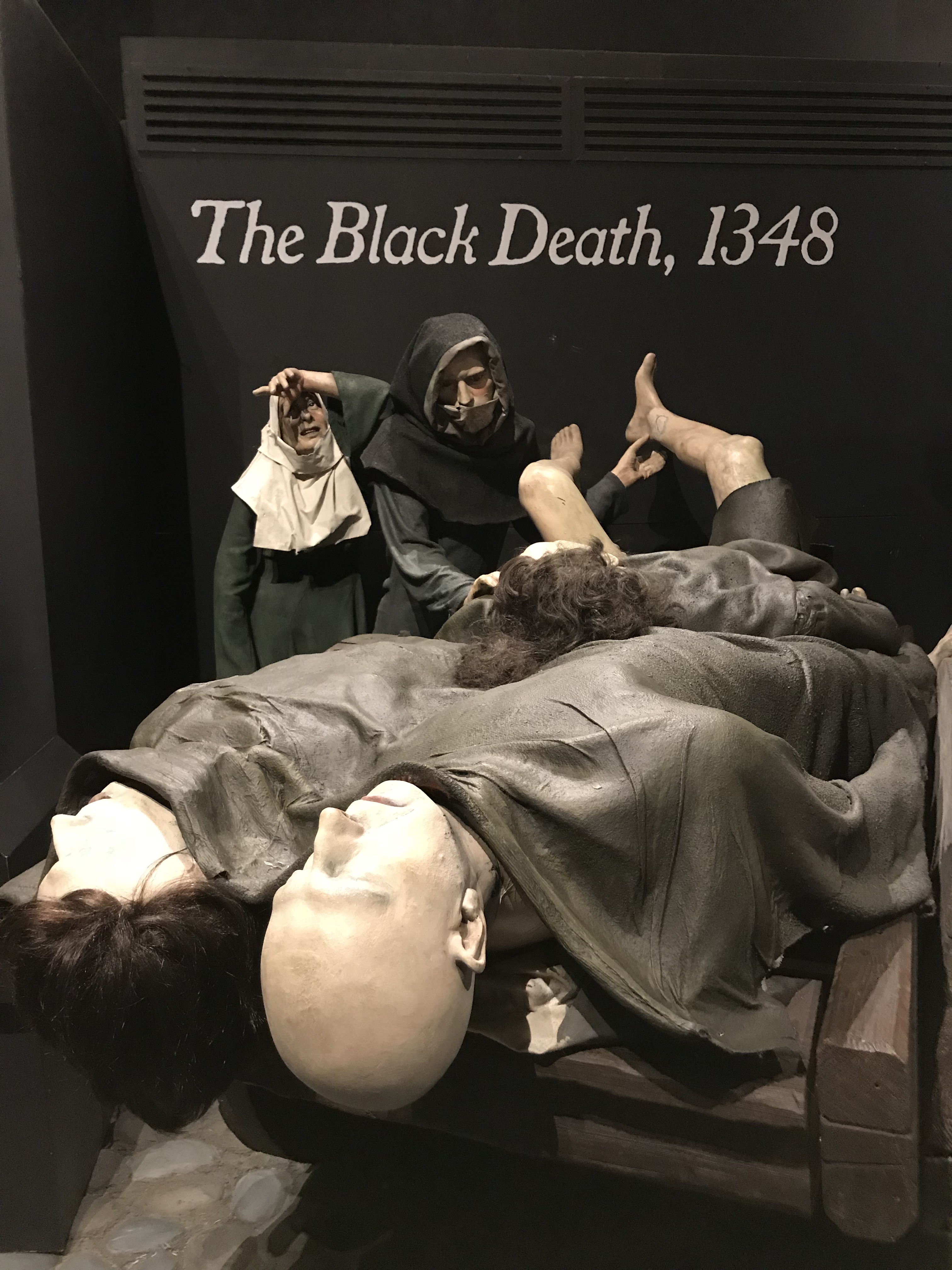
The self-guided tour is made-up of artifacts and excavations to show the progression of Irish history throughout the Viking and Medieval Times. Tickets run 10 Euros per person (11 USD) or 9 Euros per person (10 USD) with a valid Student ID. Note: entrance included as part of the Dublin Pass. $
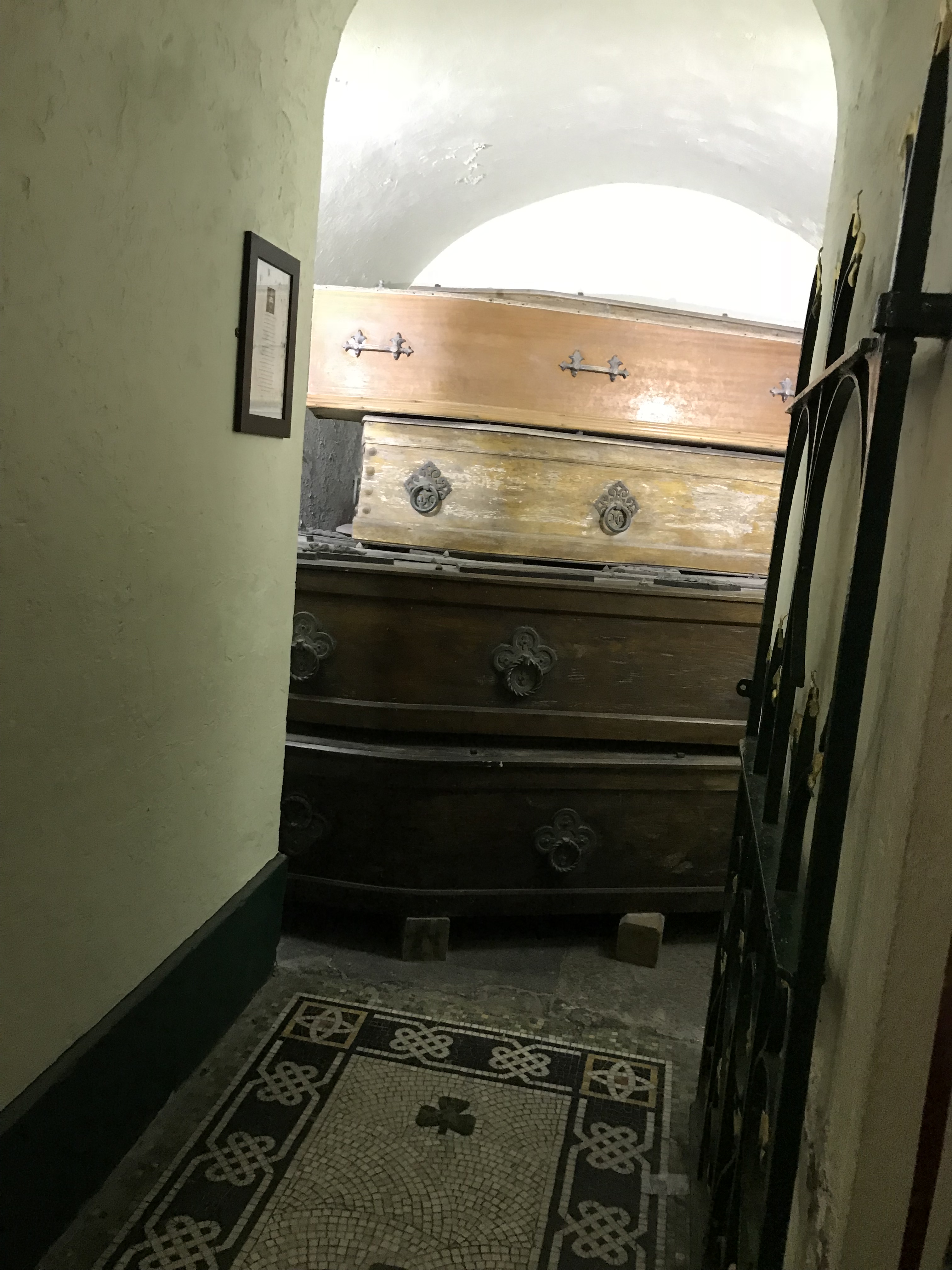
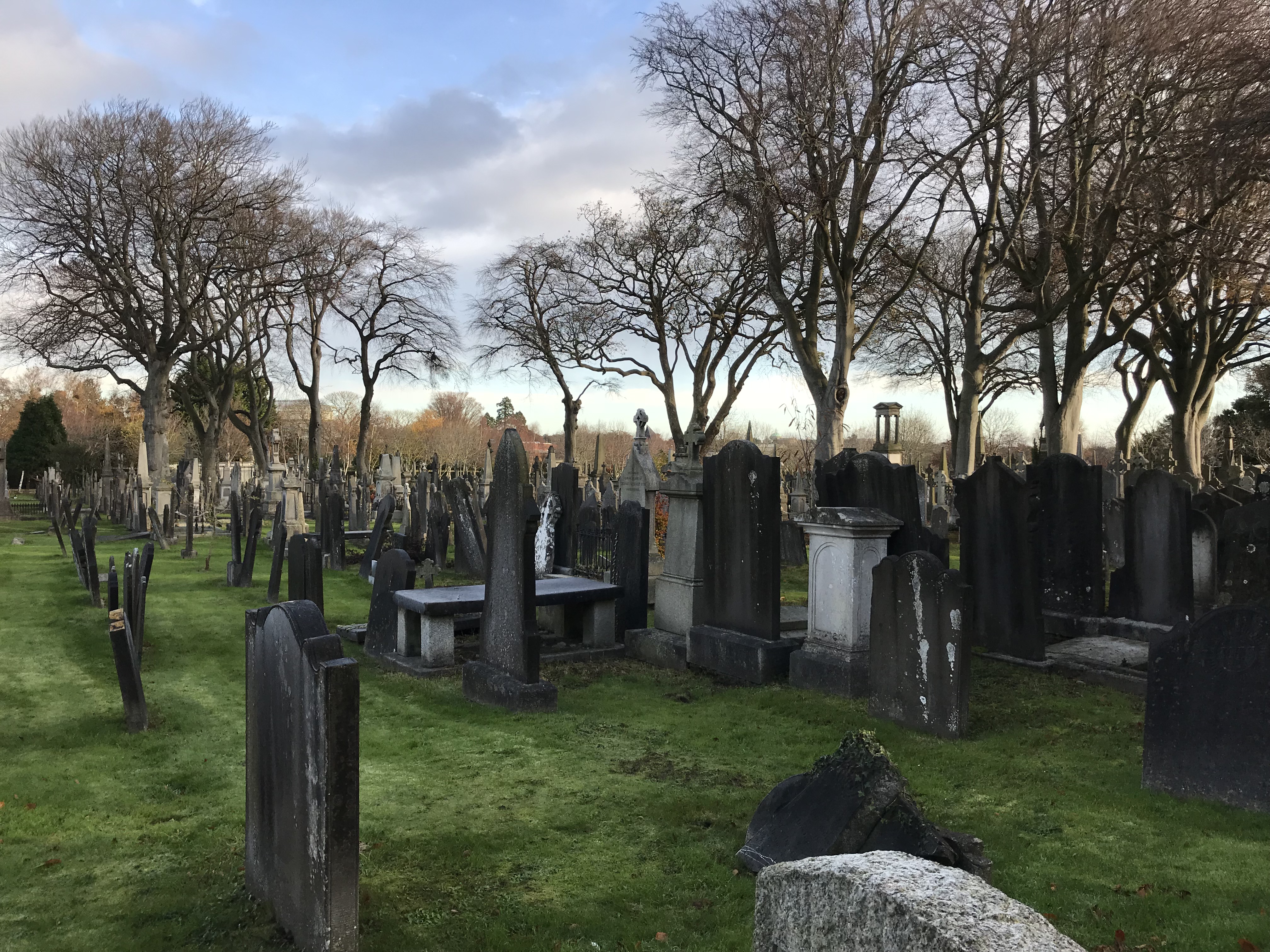
Glasnevin Cemetery – While most people find cemeteries gruesome and/or somber, I find them unequivocally fascinating. In all of the cemeteries I’ve traveled to over the years, Glasnevin is by far the largest, yet most compact, of its kind. Glasnevin was first established by Daniel O’Connell in 1828 as a burial haven for himself, and, what would later become a place for his family also, now homes from than 1.5 million interments. The oldest, and largest, cemetery, still in use, Glasnevin only covers the span of 124 acres. While this may seem like a large section of land, when face-to-face with its immense population, it’s hard to fathom how they manage, and keep managing, to fit that many people in such a small, tight-nip space.
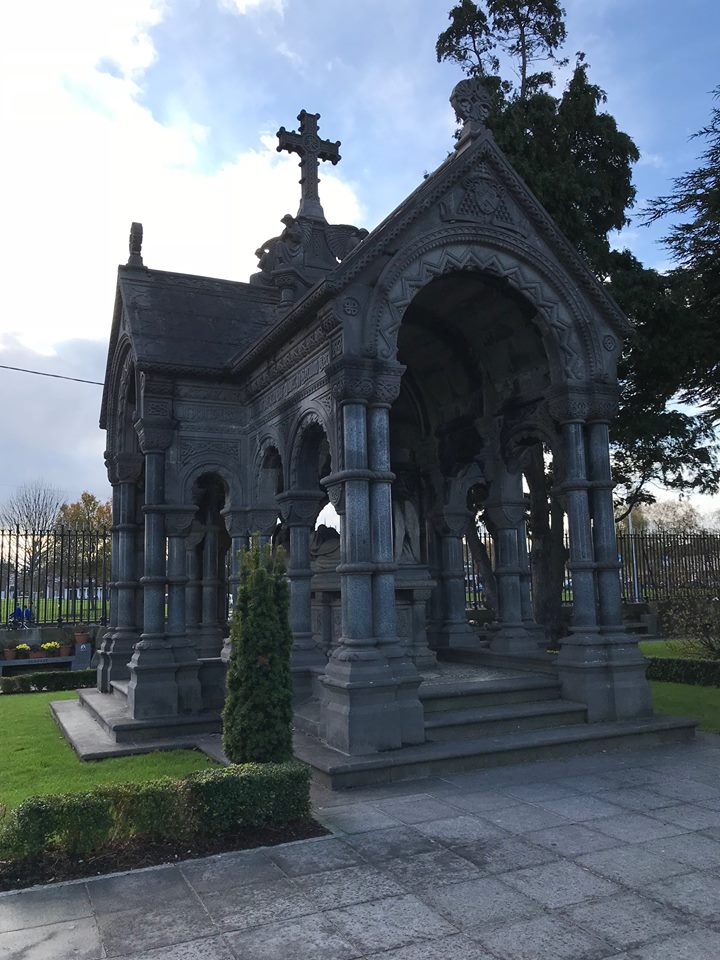
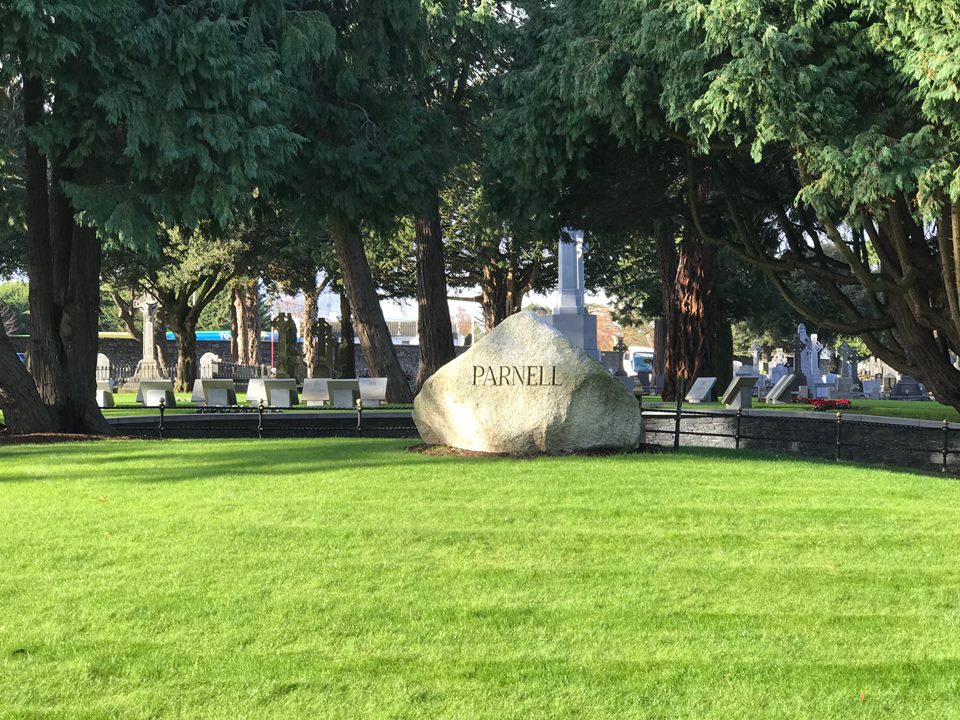
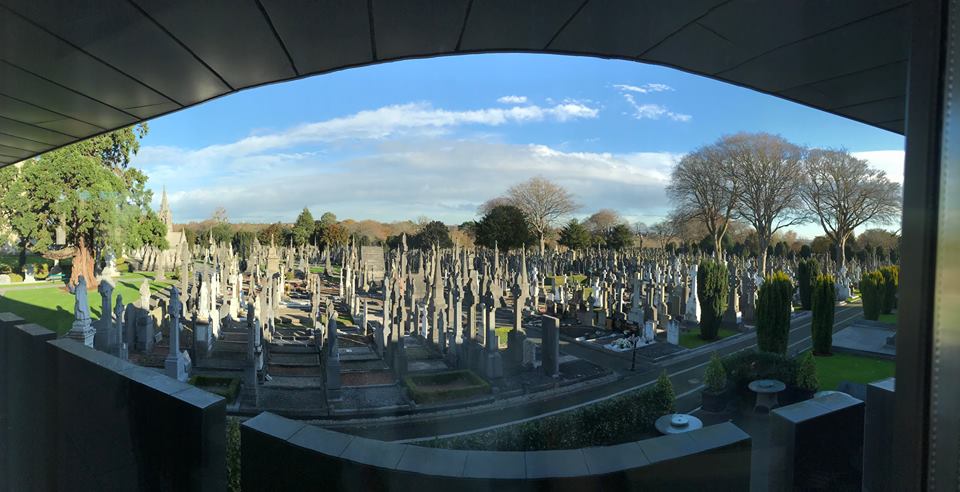
Included along the Dublin walking trail, Glasnevin is free for visitors to wander aimlessly about. However, I would highly recommend paying to partake in the guided tours. Tours last roughly 90-minutes and take visitors around the cemetery to face the most notable and significant Irish historical figures. Ticket prices, 13.50 Euros per person (15 USD), also include entrance into the “City of the Dead” exhibition located in the museum onsite. The top floor of the museum also offers a panoramic view of the entire cemetery from above. $$
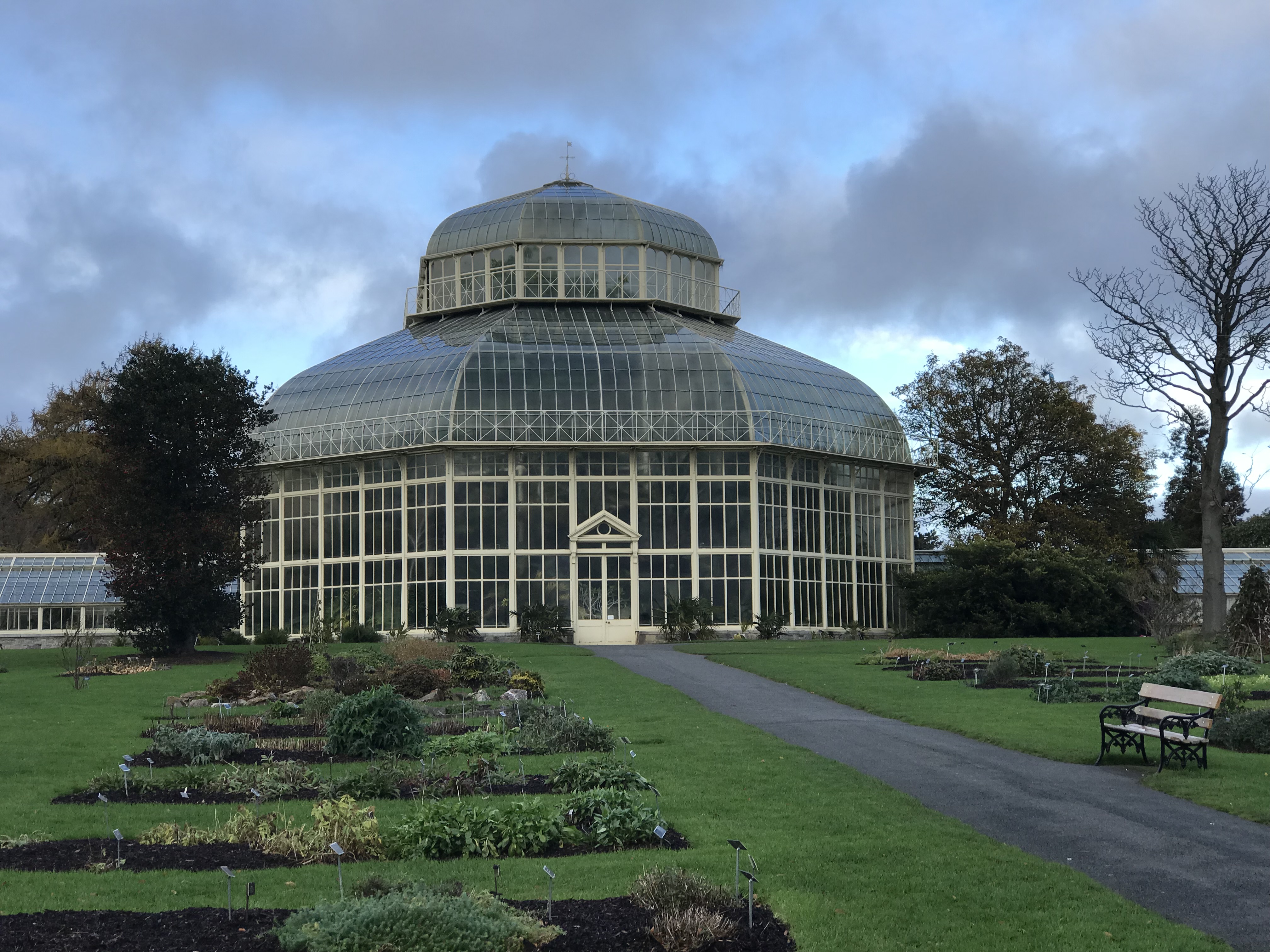
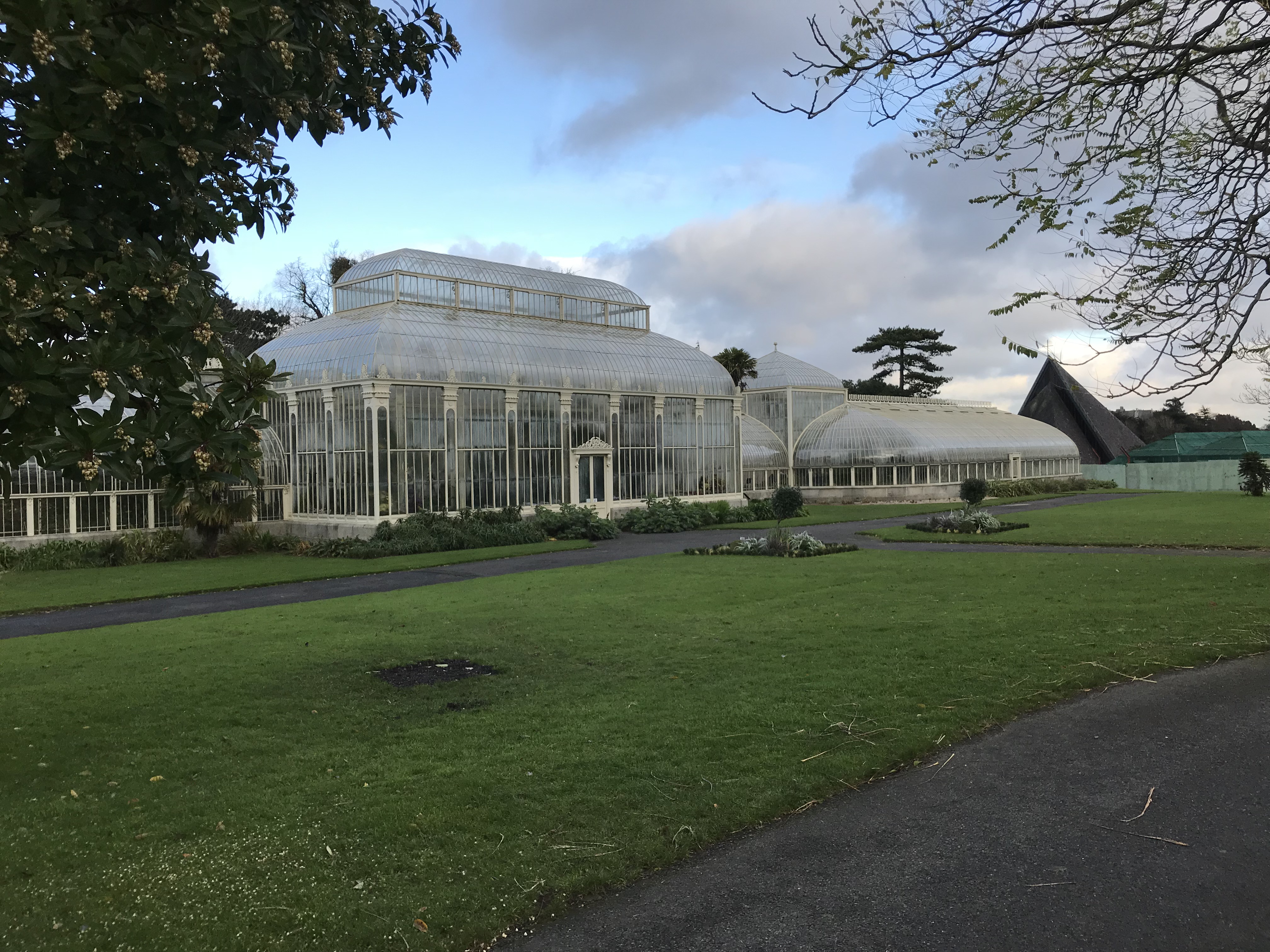
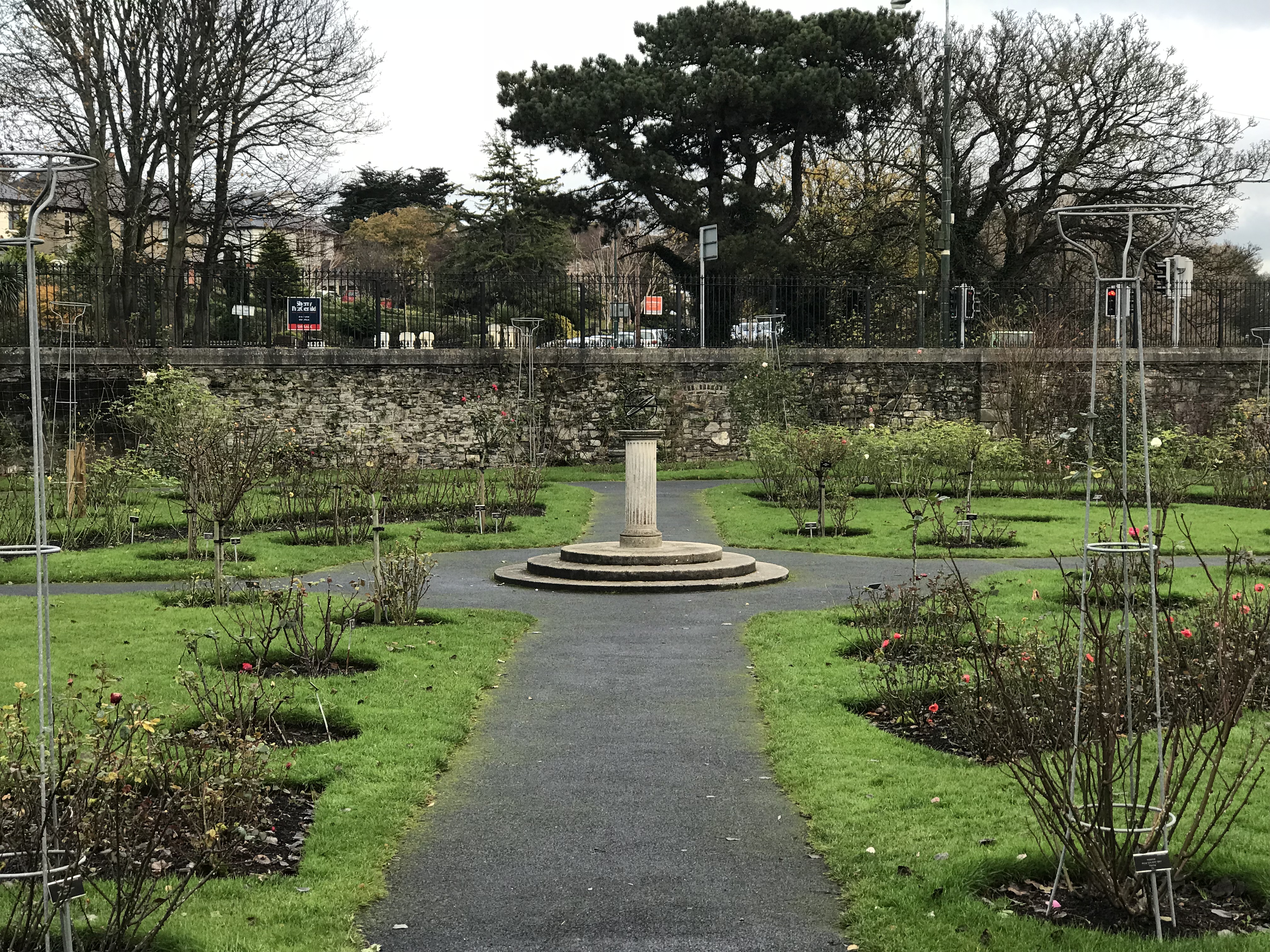
National Botanical Gardens – The National Botanical Gardens is located adjacent to Glasnevin Cemetery, roughly 3 km from the Dublin City Centre. Open year-round, the National Botanical Gardens is home to more than 15,000 species – of those, 300 are endangered on a global scale. First established in 1790, the Gardens is known as Ireland’s largest “living” collection. Visitors are welcome to tour the grounds at their leisure, with the option for a free audioguide, or a guided tour for a small fee. Widely known for its historic glasshouses, all proceeds go towards conservation efforts as well as the education of Dublin’s local residents. There is a Garden Tea Room on site that serves hot/cold drinks as well as pastries and other afternoon comfort snacks. Our tour of the Gardens was not intended, but more of a pleasant surprise during our travels in and around Glasnevin Cemetery. I would budget 4-5 hours to tour both Glasnevin and the Botanical Gardens to fully capture their beauty. $
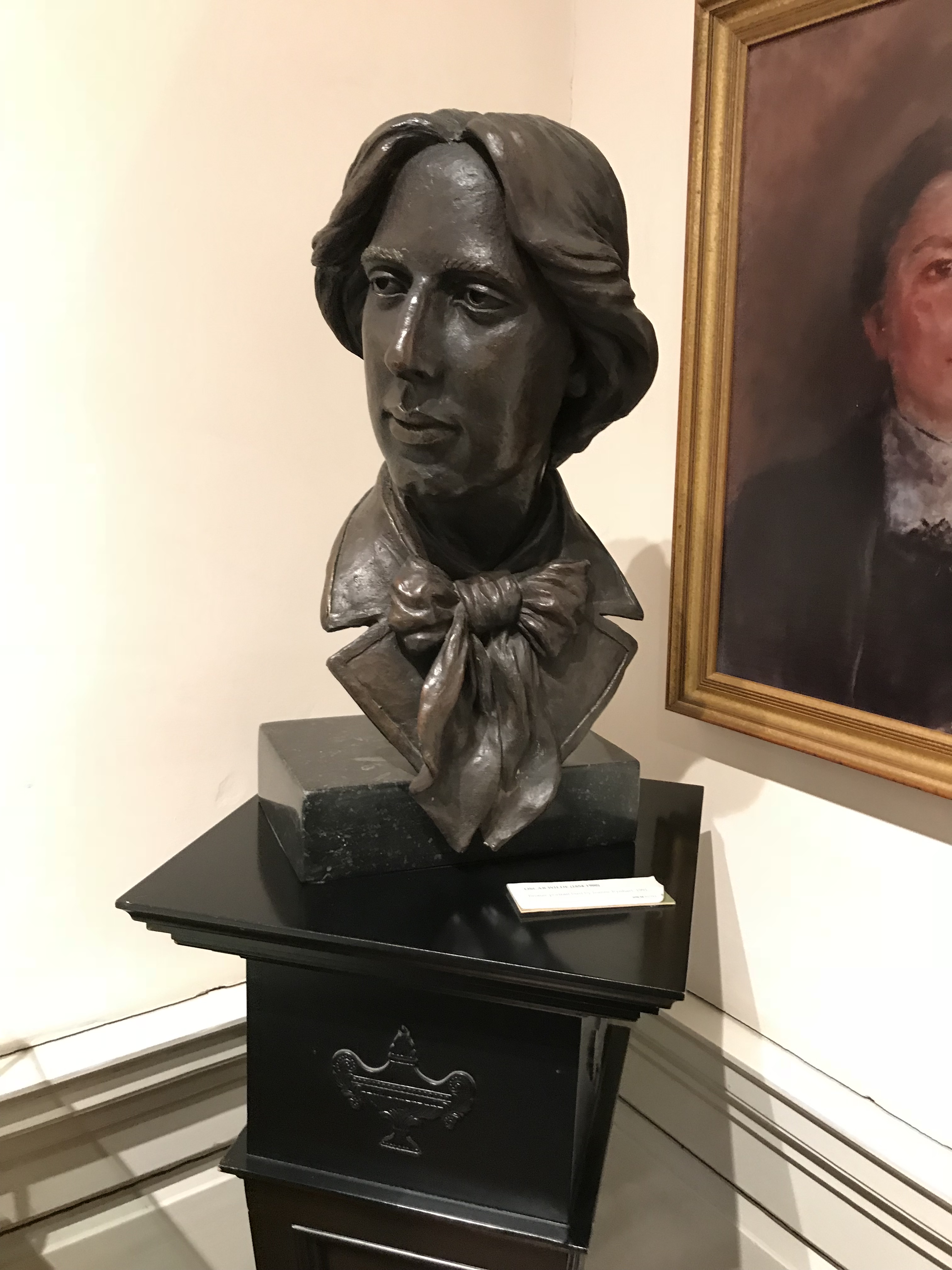
Dublin Writers Museum – Tucked away in Parnell Square, the Dublin Writer’s Museum celebrates literary Irish tradition. Housed in an 18th century mansion, writers such as Yeats, Shaw, Joyce and Wilde are on display to showcase Ireland’s rich literary heritage. The self-guided, self-paced, audio tour takes visitors through three levels of hand-written artifacts like books, letters, and poems.
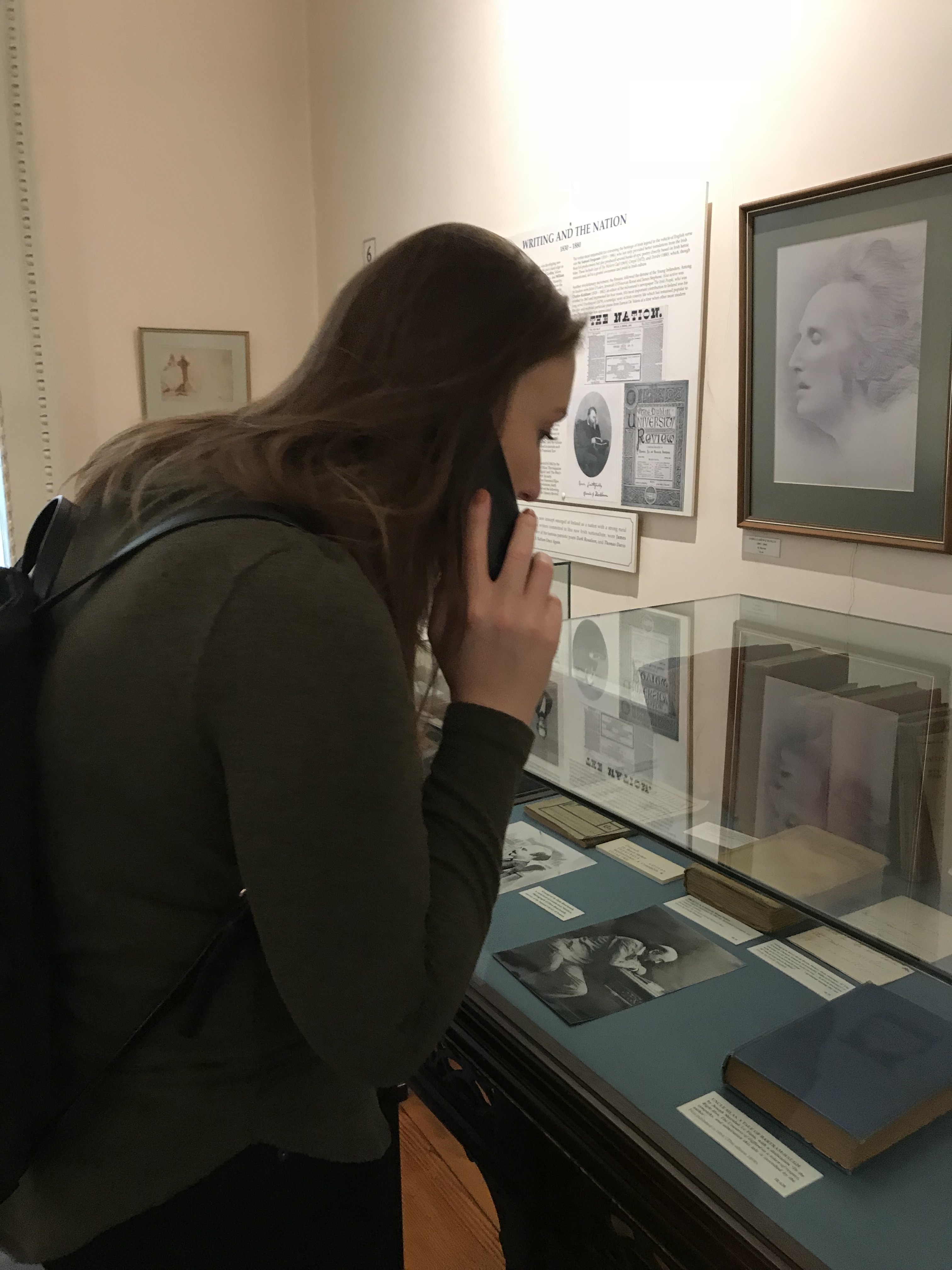
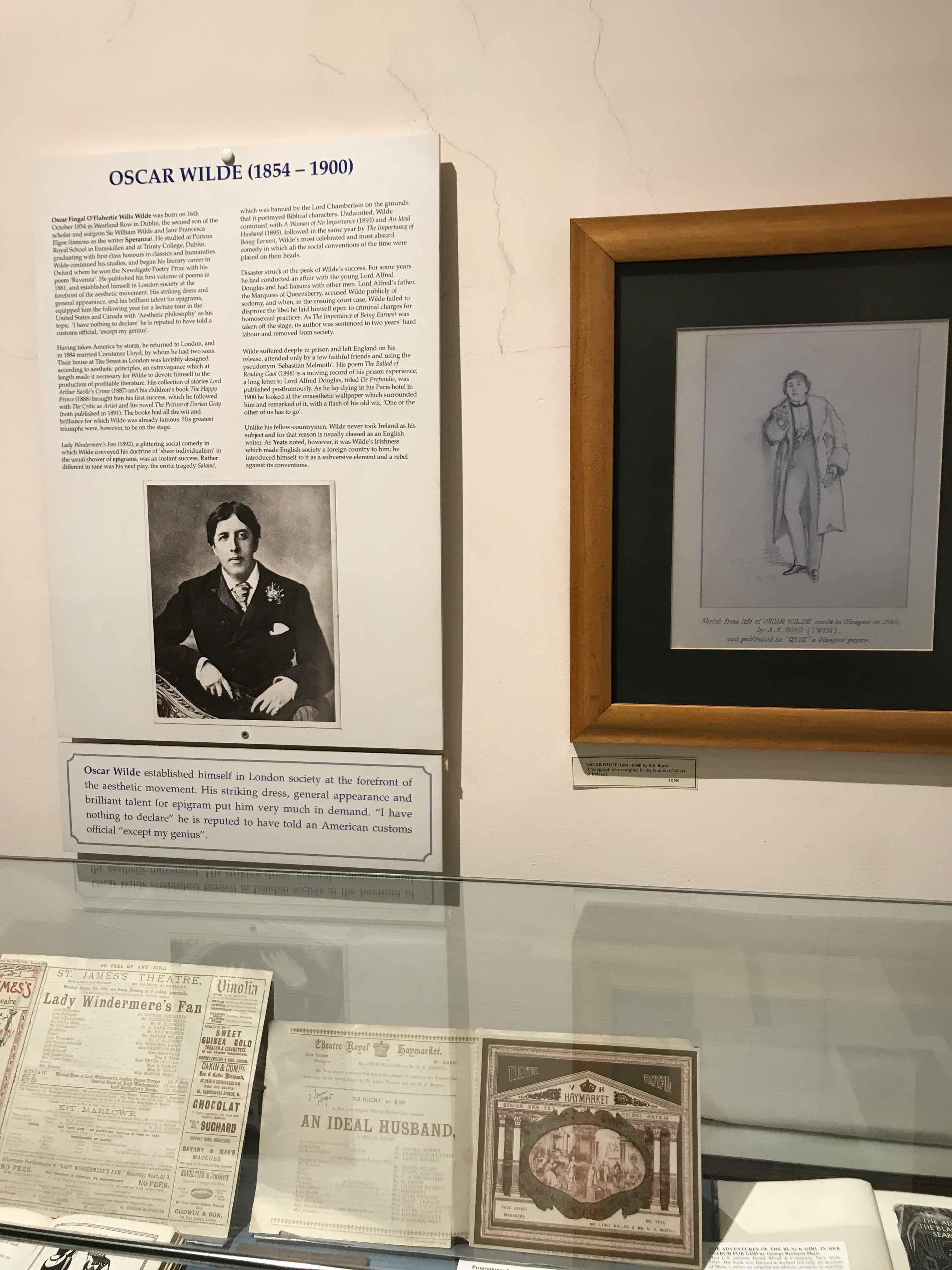
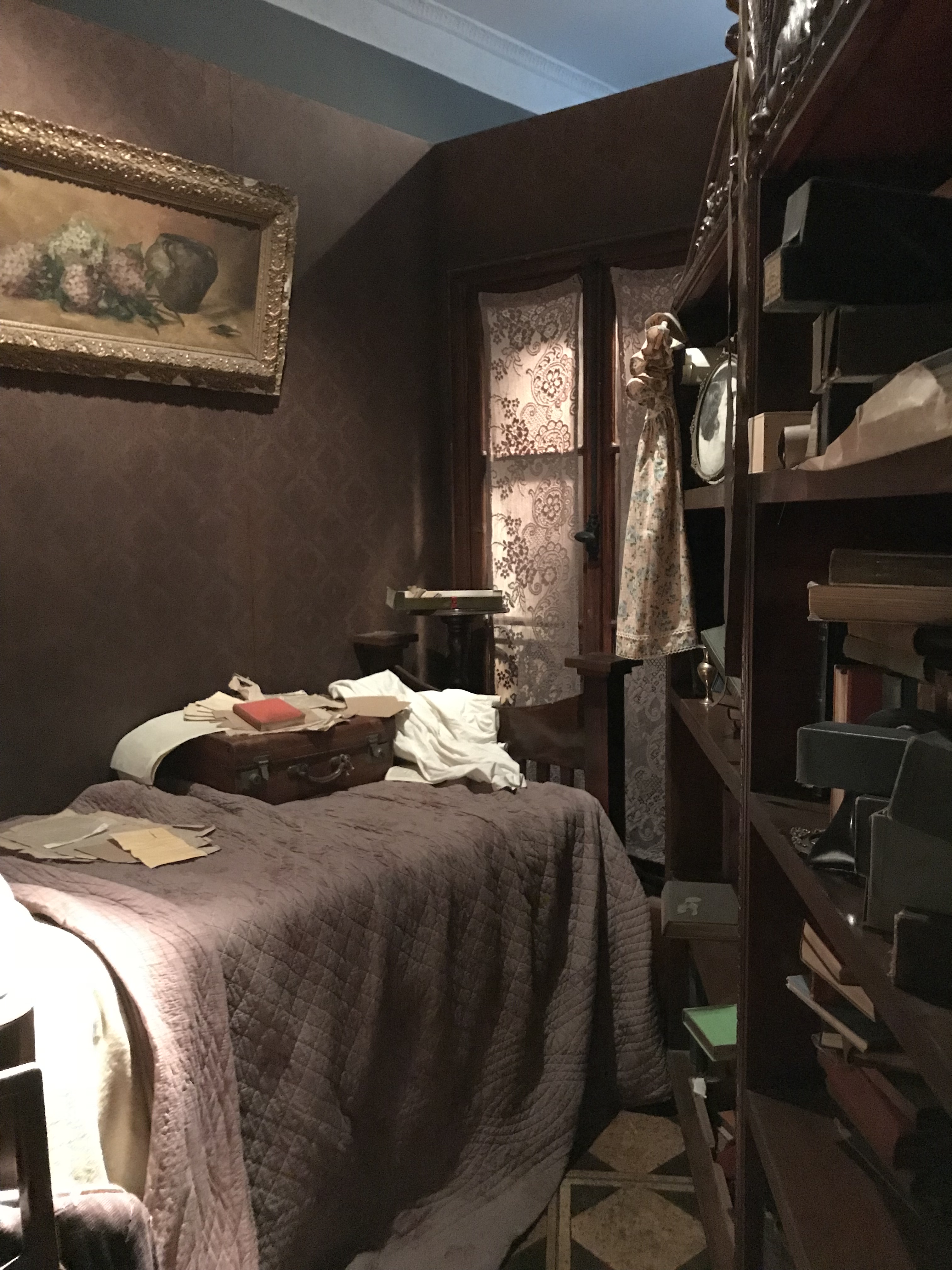
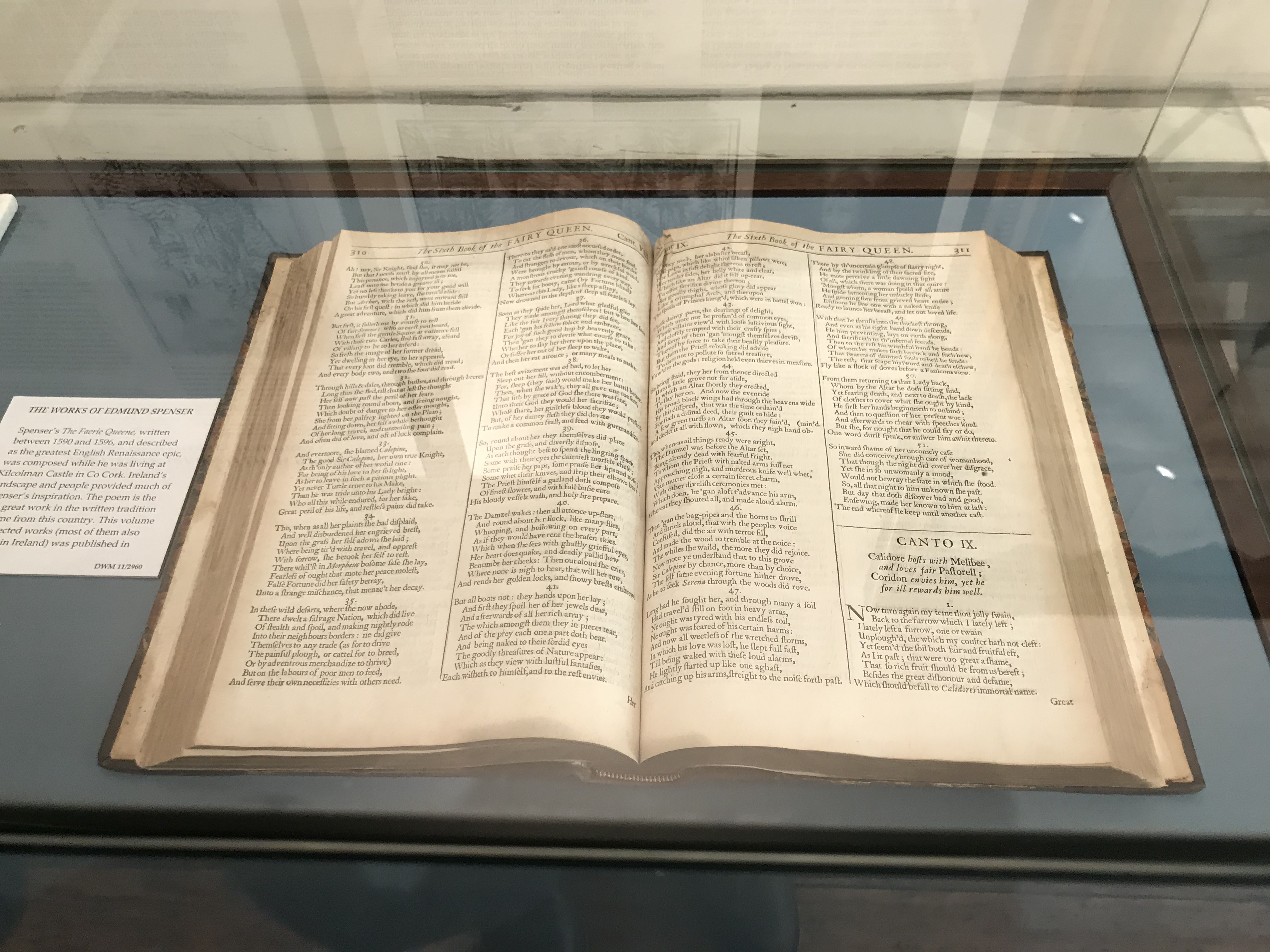
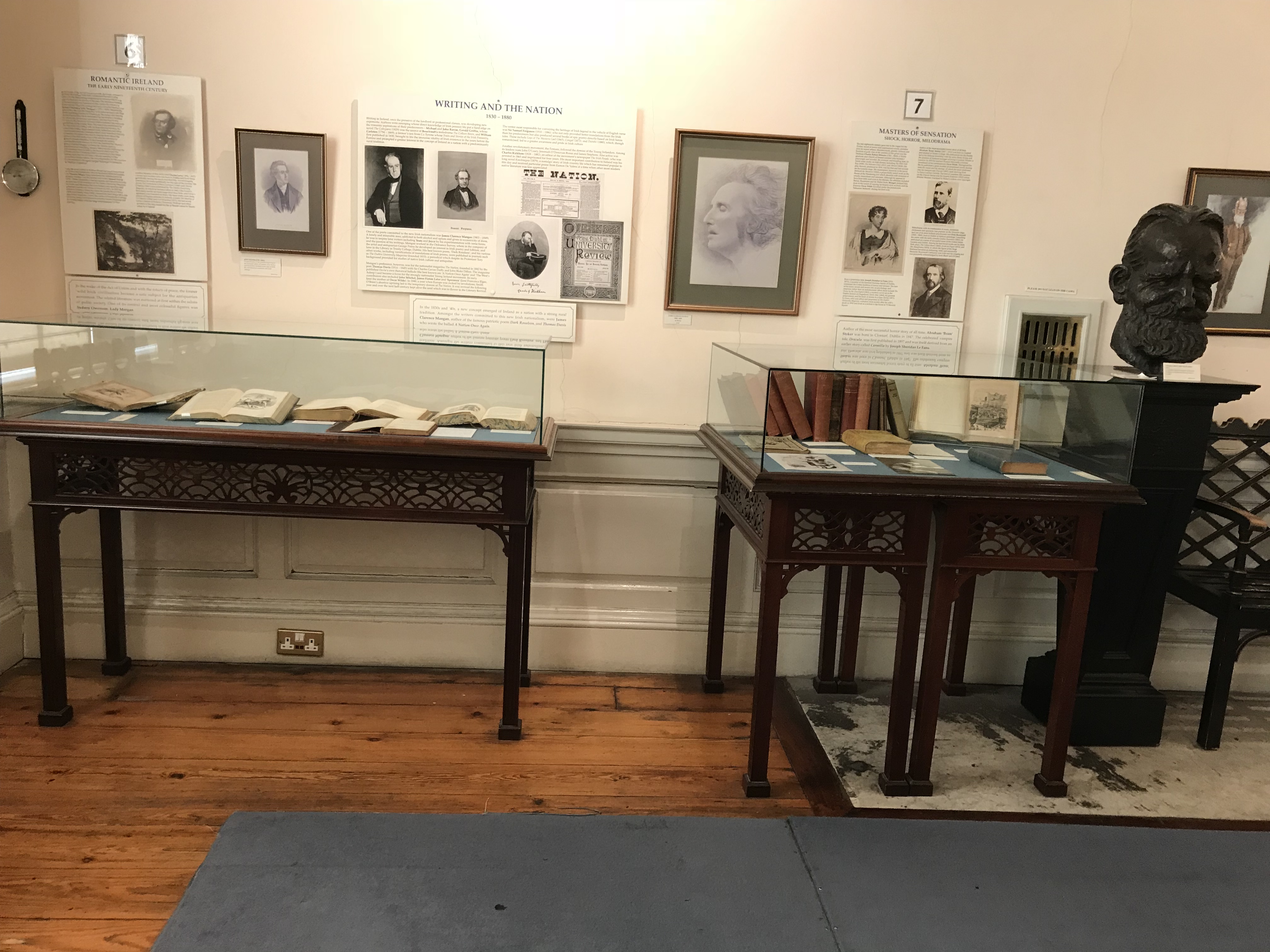
Tickets run inspiring writers 7.50 Euros per person (8USD), but are also included as part of the Dublin Pass. The Writer’s museum is open year-round, except Christmas, and traditionally takes 1.5-2 hours to thoroughly enjoy. $
The National Museum of Ireland – The National Museum of Ireland is broken down into three separate, and distinct, locations: Archaeology, Arts/History, and Natural History. Admission to each location is free as part of the Dublin Pass, with a small donation-based fee otherwise. Each location is open year-round, with traveling, rotating, exhibitions on a regular basis. Plan to spend 2-3 hours per site with less visitors during the weekdays. The National Museum of Ireland provides visitors a thorough display behind the history, art, and culture of Ireland.
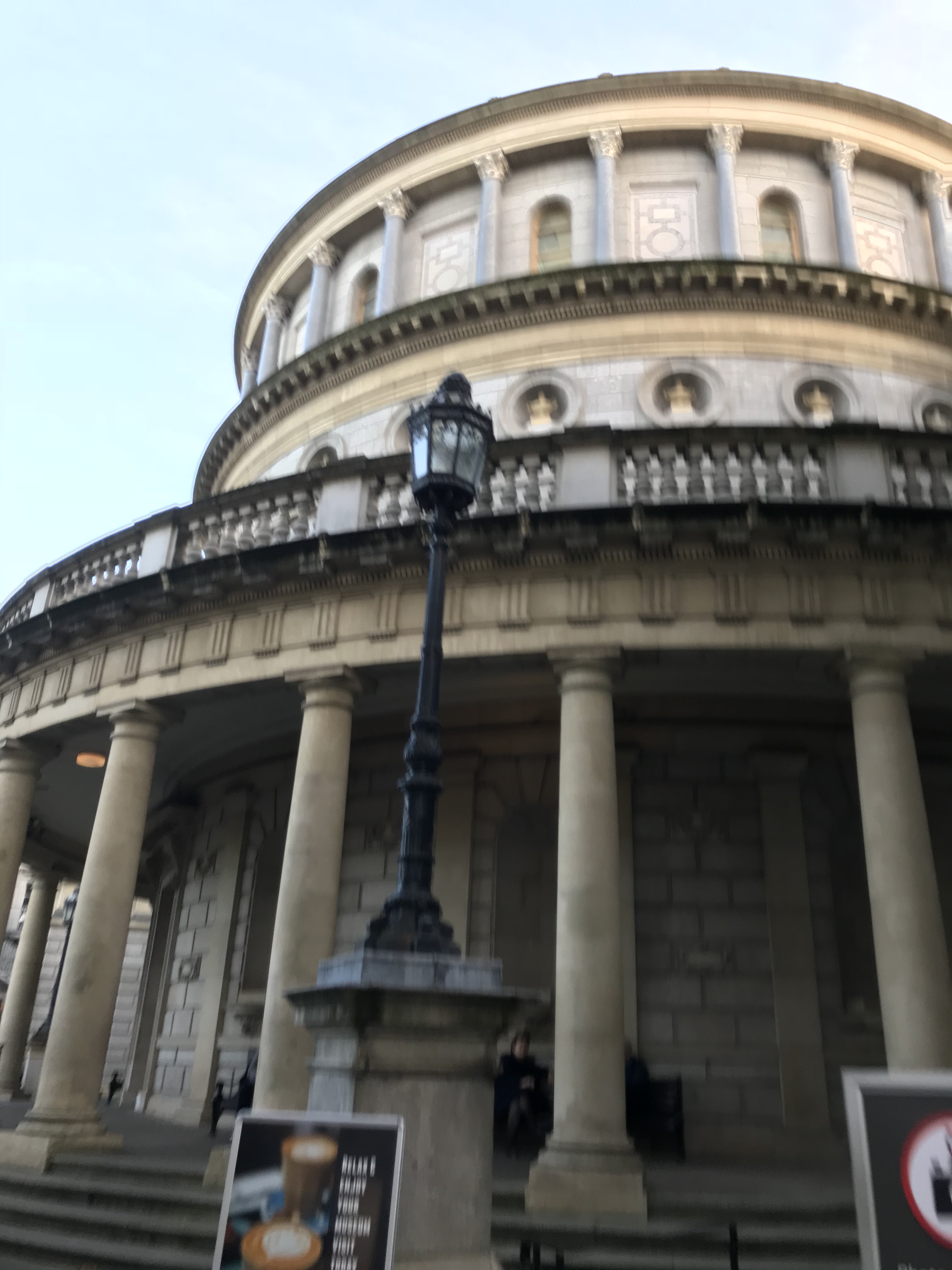
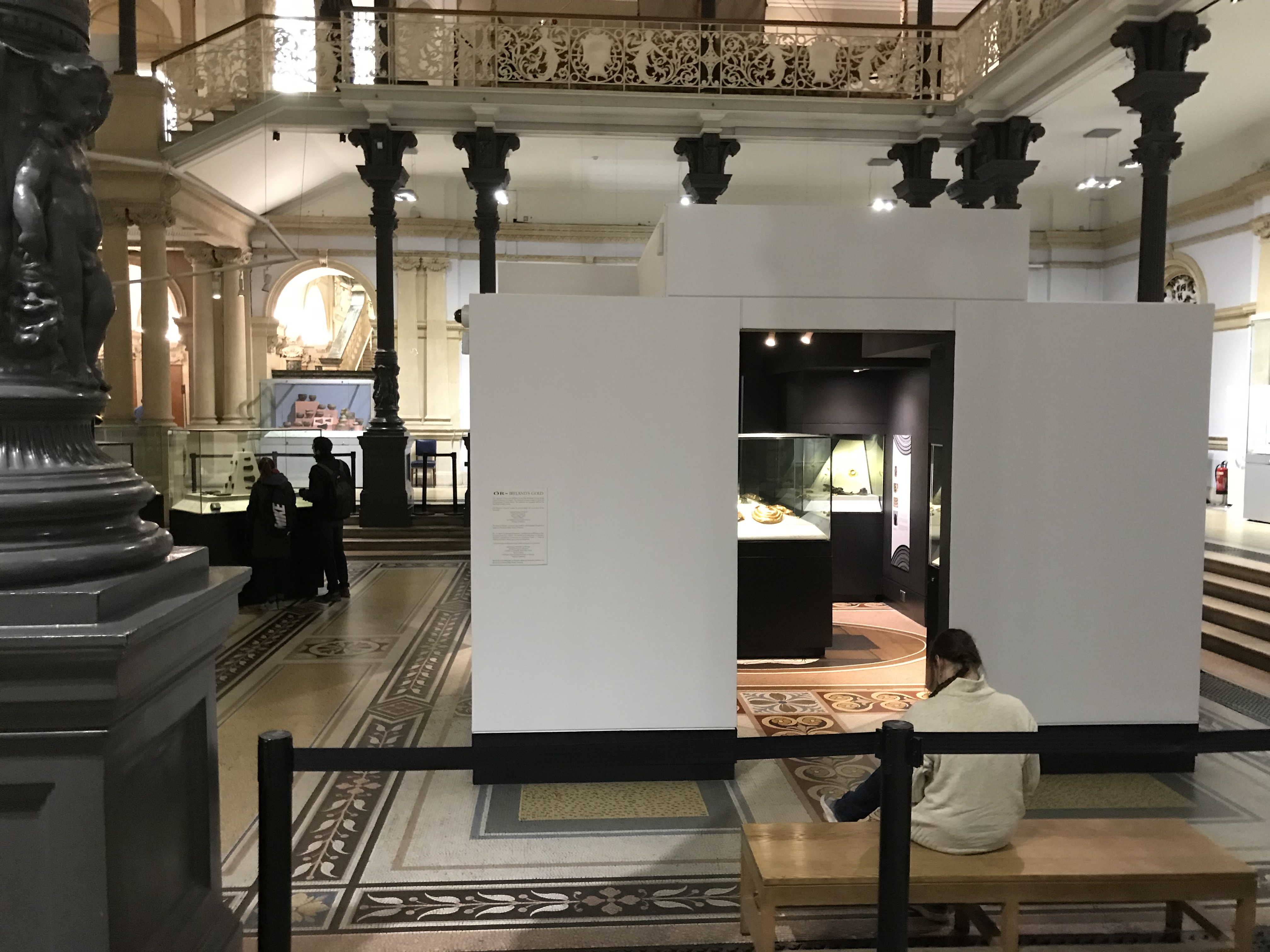
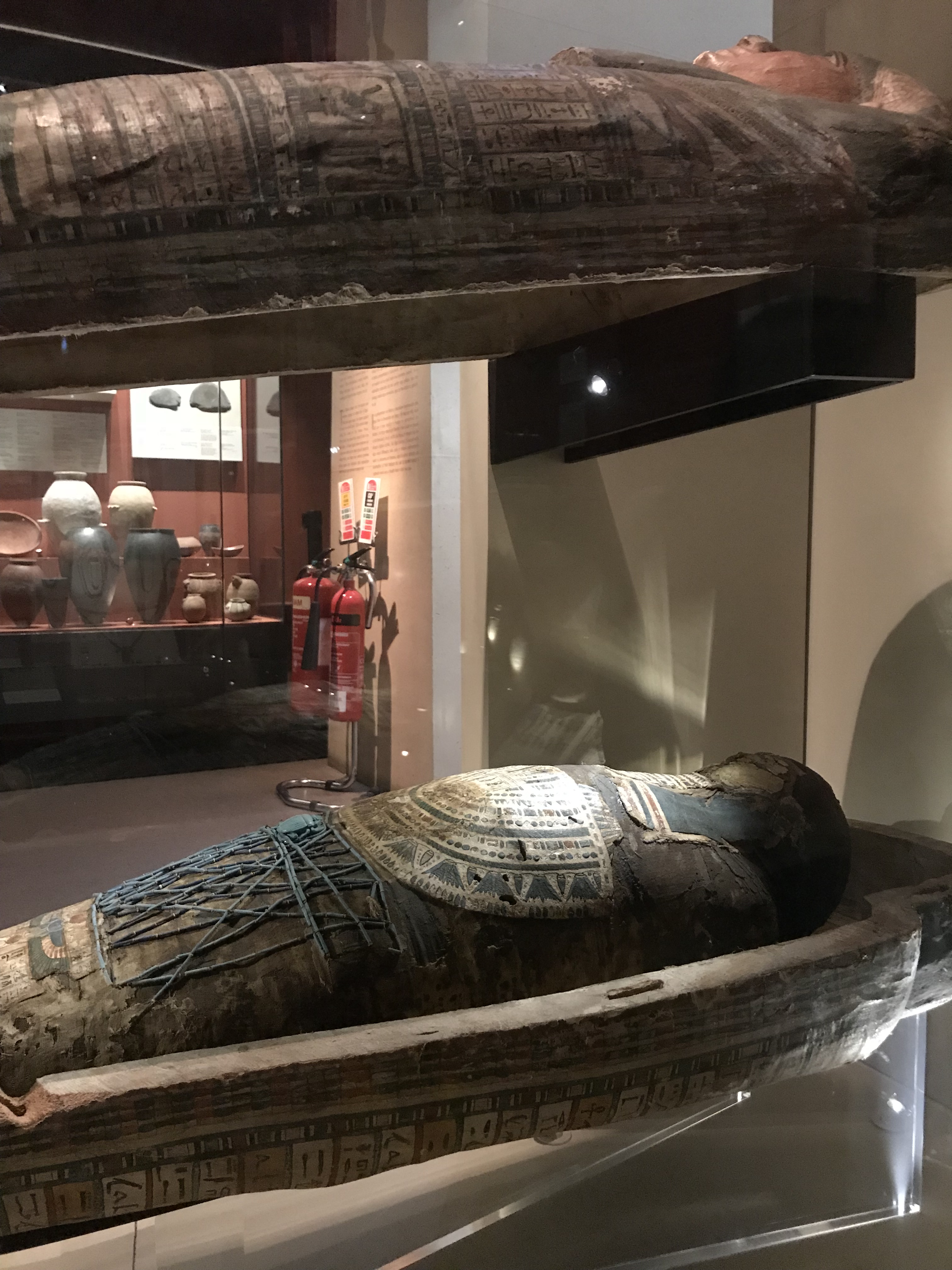
Other places of notable interest included with the Dublin Pass:
National History Museum – Ireland
Places to Eat: By the time I realized my admiration for global travel, as well as my desire to write about my adventures, my trip to Ireland had already come and gone. Therefore, you’ll have to forgive my limited resources regarding noteworthy places to eat and drink. The good news is that you will find a traditional Irish pub on every single street corner. The bad news is that they tend to all serve the same variation of food(s). There were two places that left a lasting impression on us due to their unique, and distinct style, as well as the ease of their location too.
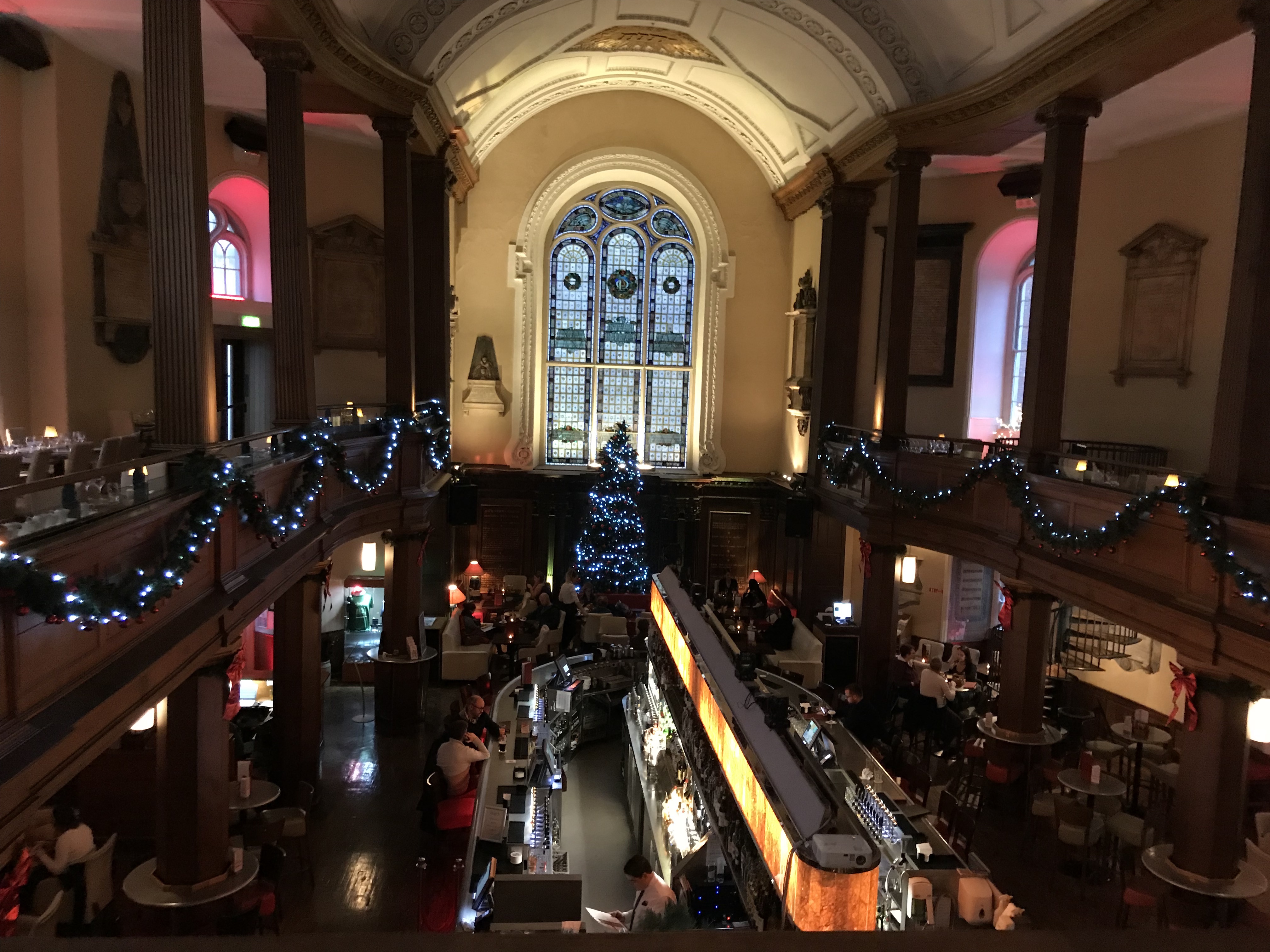
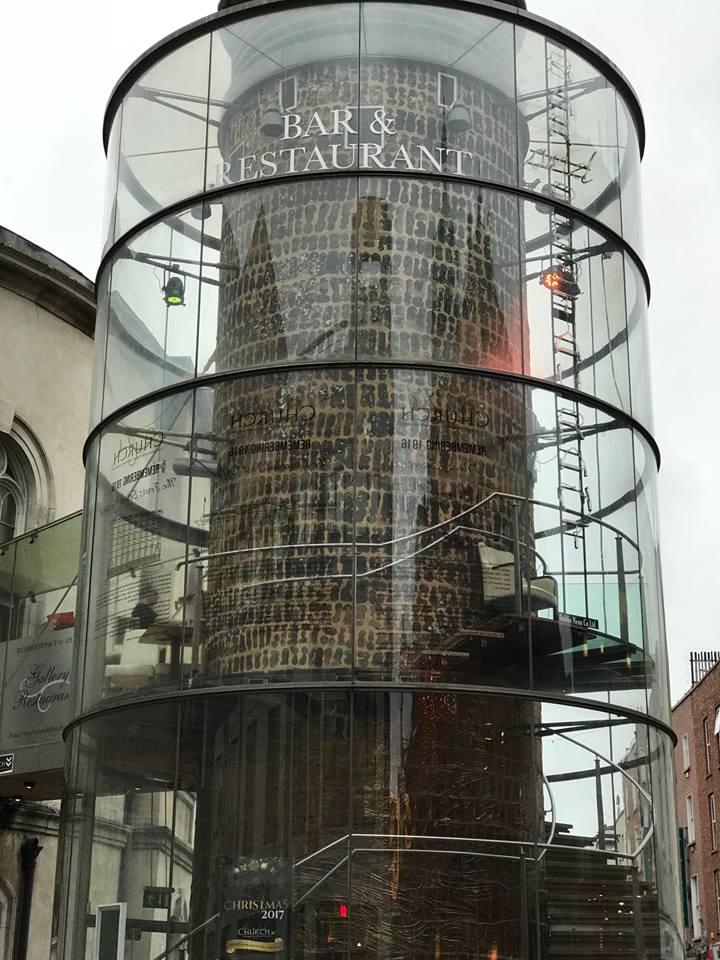
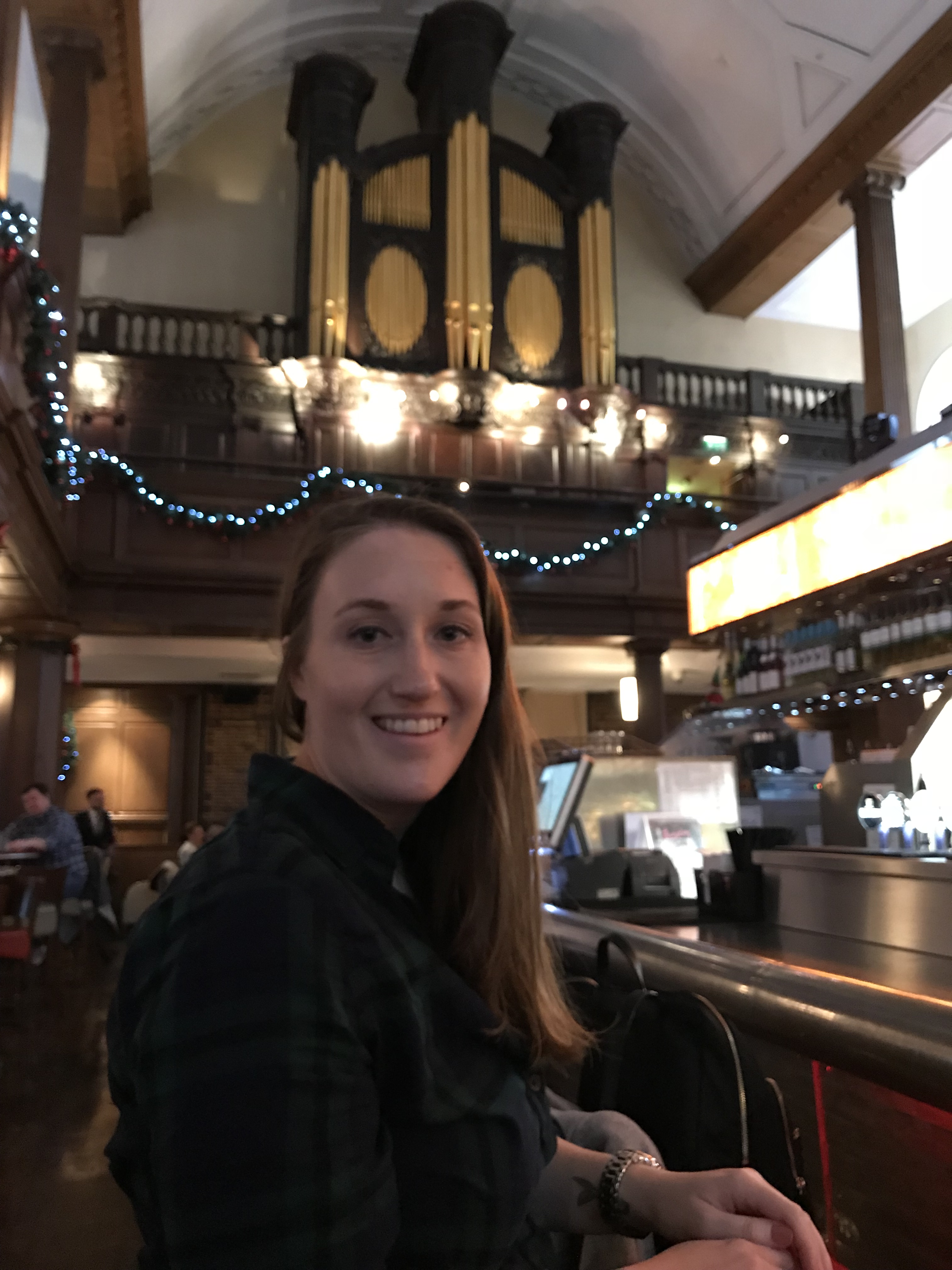
Church Bar & Restaurant – The Church Bar & Restaurant originally opened as a galleried church in the mid-18th century before it closed to parishioners in 1964. The church was re-opened in 2007 as a cafe, bar and traditional Irish restaurant. Open seven days a week, the Church Bar & Restaurant offers five separate spaces, ranging from cafe to full-fledged BBQ on the front terrace. The bottom level also doubles as a night club, for those 18+ years of age, with traditional Irish music and dancing. While waiting for a table, your food, or while enjoying a cool pint, self-guided tours are available from 11 AM – 4 PM daily. $$
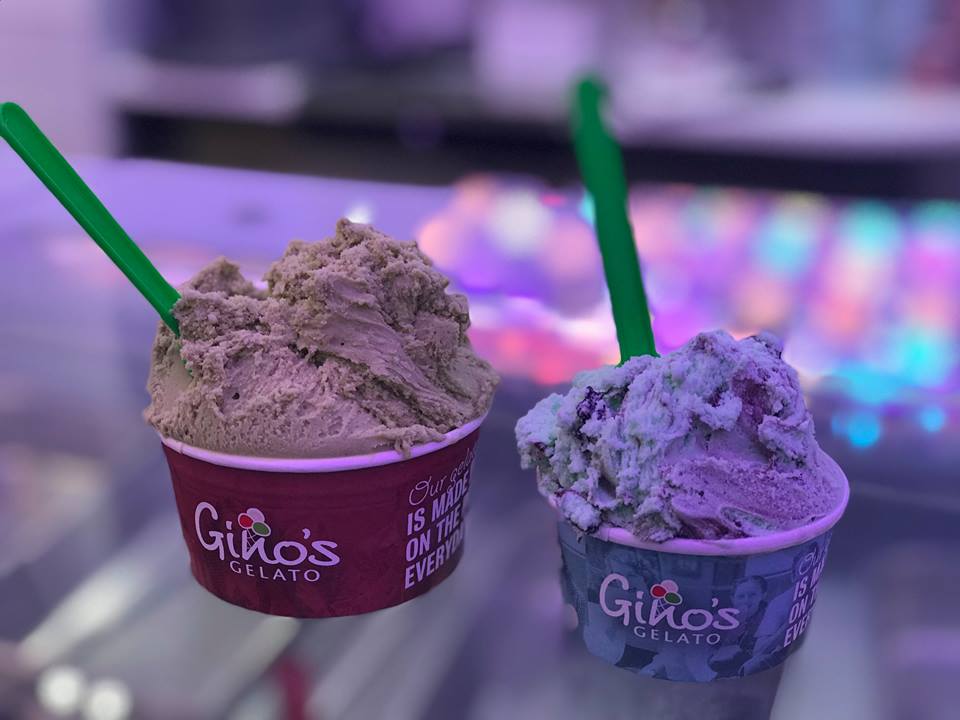
Gino’s Gelato – Home to authentic Italian gelato and coffee, Gino’s Gelato is family owned and operated for over three generations – dating back to the early-1960’s. All gelato is made fresh, on-site, daily with organic, low-fat milk. An abundance of flavors are available, with gluten-free options too! We made a pit-stop here daily during our four-day stay in Dublin.
Other restaurants and bars worthy of mentioning:
The Auld Dubliner – Irish Pub & Restaurant
The Duck Restaurant – Hong Kong BBQ
Kingfisher – Traditional Irish fare
Murray’s Pub – Comfort bar food
Woodstock Cafe – Deli, bakery, and wine bar
Accommodations:
Maldron Parnell Square – Centrally located in downtown, the Maldron Parnell Square, sister-hotel to Maldron Cork, is the ideal place to stay while in Dublin. Both clean and moderately decorated, this hotel runs visitors roughly 82 USD/night. Book online and save up to 15% on your entire stay! $$
Oddities:
There’s nothing quite like exploring the out-of-the-ordinary and peculiar while on vacation. If you’re interested in straying from the traditional and popular tourist attractions, then you’ll appreciate these unique places around Ireland:
Ruins of the MV Plassey – Galway
Crypts at Christ Church Cathedral – Dublin
St. Michan’s Mummies – Dublin
Giant’s Causeway – Antrim
Victoria’s Way Indian Sculpture Park – Wicklow
Money-Saving Travel Guide:
I turn into one-of-two types of people when traveling – treat yourself or stingy. Sometimes it’s even a combination of the two in a single day. Nonetheless, during the planning process, I always like to consider budget-friendly ideas to help off-set the costs of those “treat yourself” days. Here is a list of free sites and activities to enjoy while in Dublin:
 Beyond Borders